
New Energy PCB Assembly
Feature of New energy PCB Assembly
New energy PCBA has been manufactured based on certain objectives, which are discussed below:
Power Optimization
The main theme behind designing and manufacturing New energy PCBA is maximizing energy efficiency, which is one of the prime requirements for devices that use high power. Hence, by incorporating these PCBAs, energy losses are reduced, and devices' efficiency is improved.
Sustainability to the Environment
New energy PCBAs promote the usage of renewable energy resources, and hence this way, the carbon emissions are reduced. The requirement of being dependent on eco-friendly technological innovations have led to the development of these PCBAs, and they are doing this job very well.
Conservation of Resources
Using devices that comprise the New energy PCBAs, non-renewable resources like fossil fuels can be reserved for a future generation because utilizing less of the resources and optimizing energy could be conserved for the better.
Improved Power Conversion
New energy PCBA has been designed in a way that it helps with efficient conversion of power in different forms, for instance, from AC to DC. This aspect of these PCBAs leads to reduced wastage of energy, and hence the performance of the systems is improved.
Challenges by the new energy industry to PCBA
The operating environment and performance requirements of new energy equipment present numerous new challenges for PCBA manufacturing:
High reliability and long lifespan: Equipment such as photovoltaic inverters and wind power converters often need to operate in harsh outdoor environments for extended periods (up to 20-25 years), requiring PCBA to have extremely high resistance to high and low temperatures, humidity, salt fog, and vibrations.
High Power and Heat Dissipation: PCBA processing for components such as battery management systems (BMS), motor controllers, and charging stations in new energy vehicles involves high current and voltage, posing severe challenges to the circuit board's current-carrying capacity, heat dissipation performance, and safety.
High Integration and Miniaturization: Especially in new energy vehicles and portable energy storage devices, where space requirements are extremely stringent, PCBA is driven toward higher density and smaller size.
Cost-effectiveness: The large-scale development of the new energy industry relies on effective cost control, which also requires PCBA processing to continuously seek more cost-effective solutions while ensuring performance.
If you have any camping barbeque equipment inquiry, please feel free to contact us.
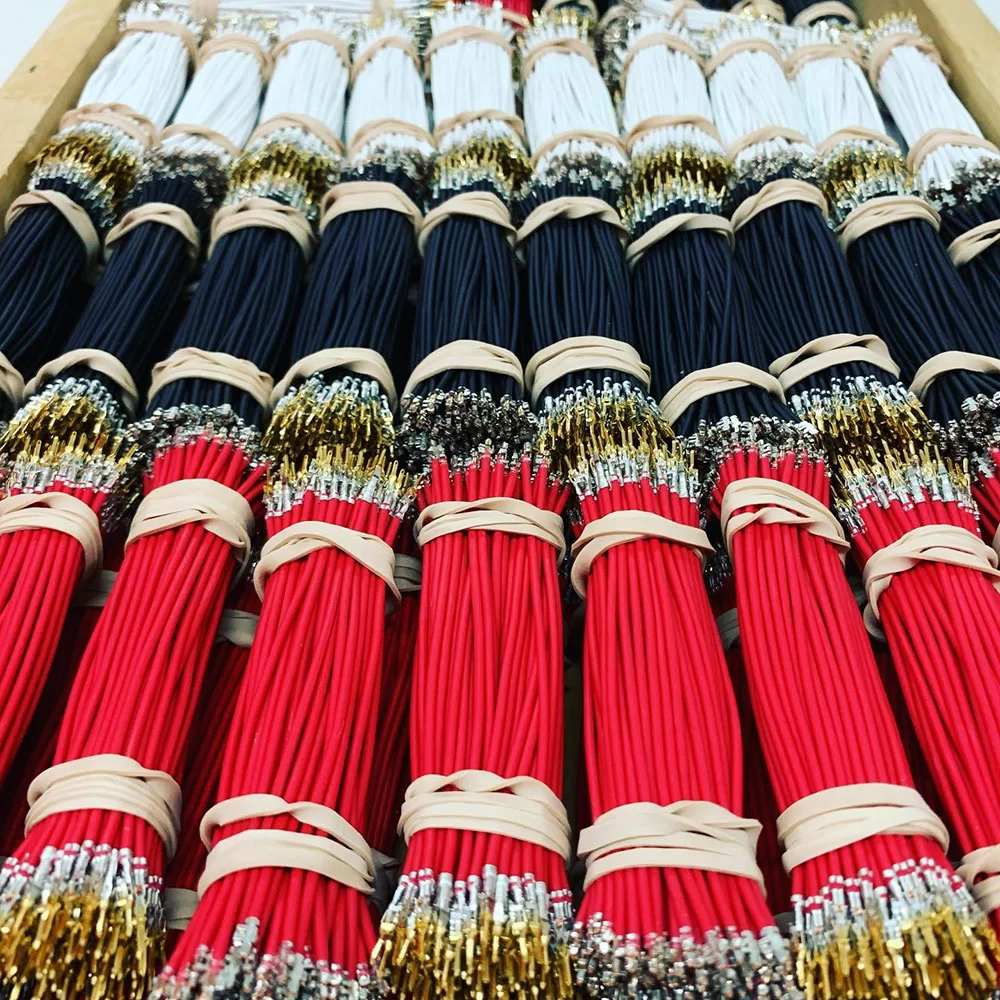
Managing kitting and packaging in-house can be time-consuming, costly, and error-prone.
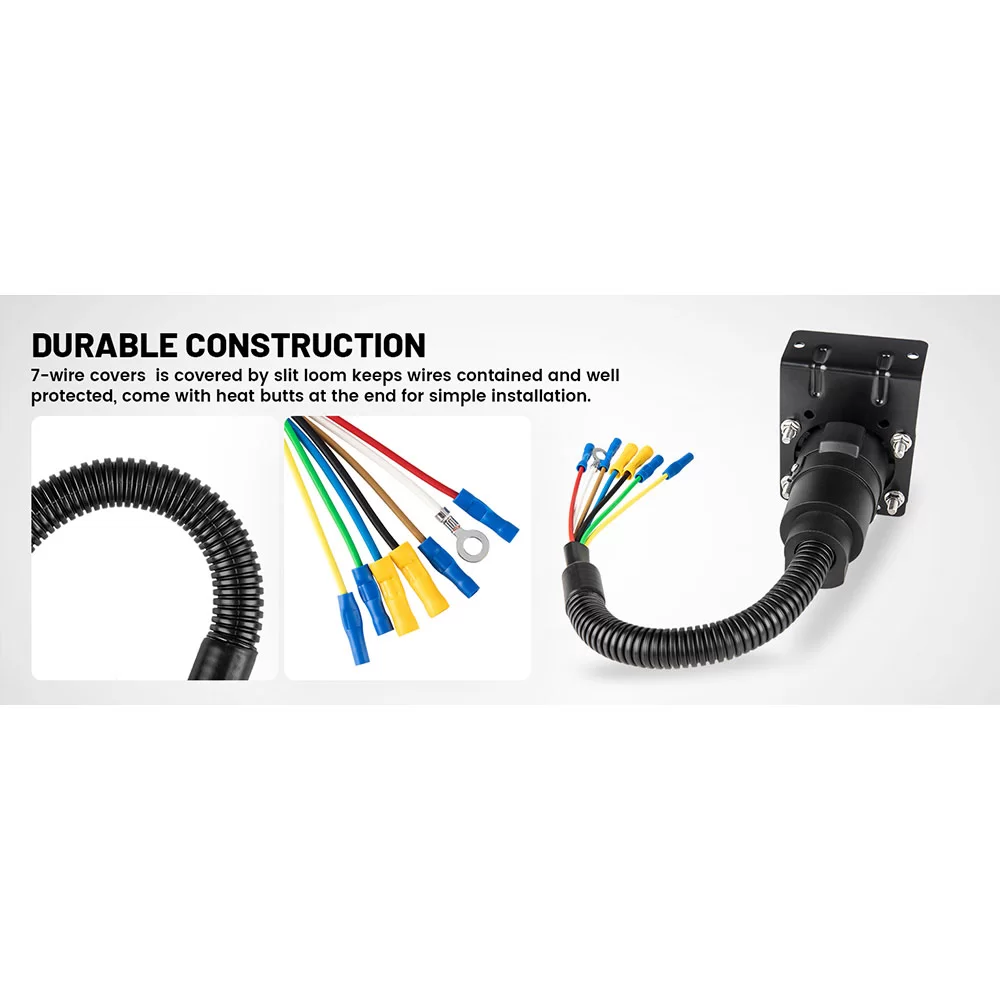
Maybe an off-the-shelf cable can't meet your needs.
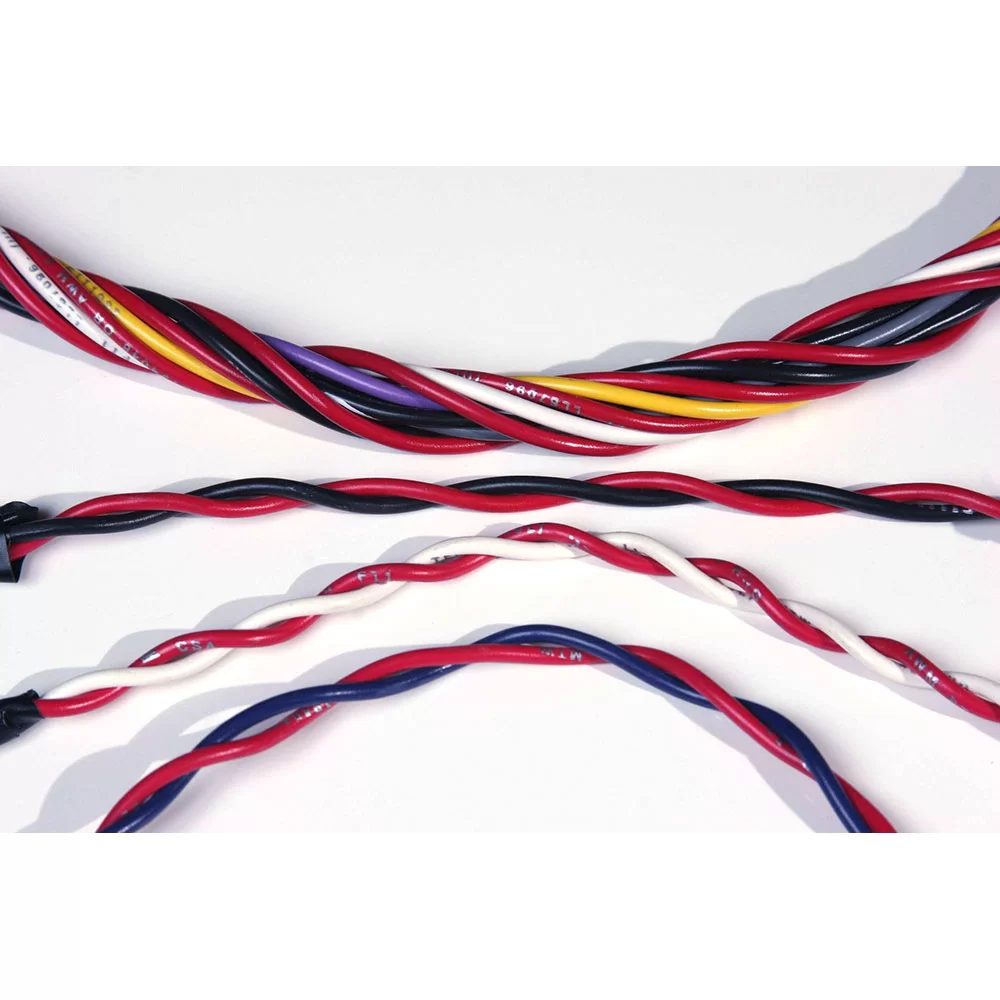
Twisting entwines multiple wires and arranges them tightly next to each other. Depending on the AWG size, we can group up to fifty conductors.
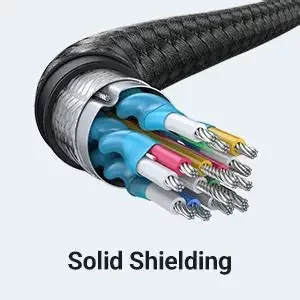
Shielding refers to the metallic layer surrounding a cable’s conductor, created to limit signal interference between the wire and external fields.
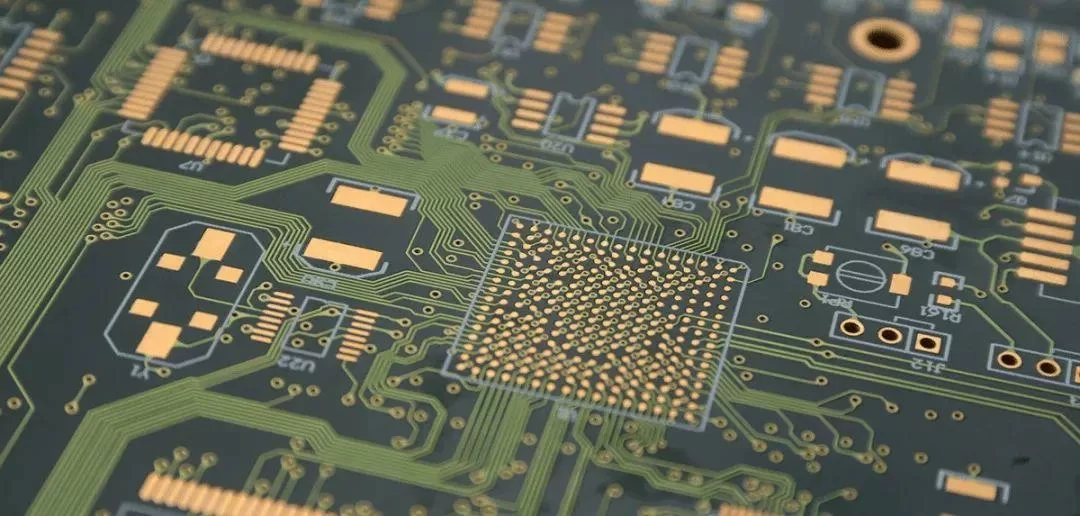
PCB manufacturing is the process of building a physical PCB from a PCB design according to a certain set of specifications.
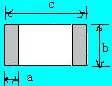
The following design standards refer to the IPC-SM-782A standard and the design of some famous Japanese design manufacturers and some better design solutions accumulated in the manufacturing experience.
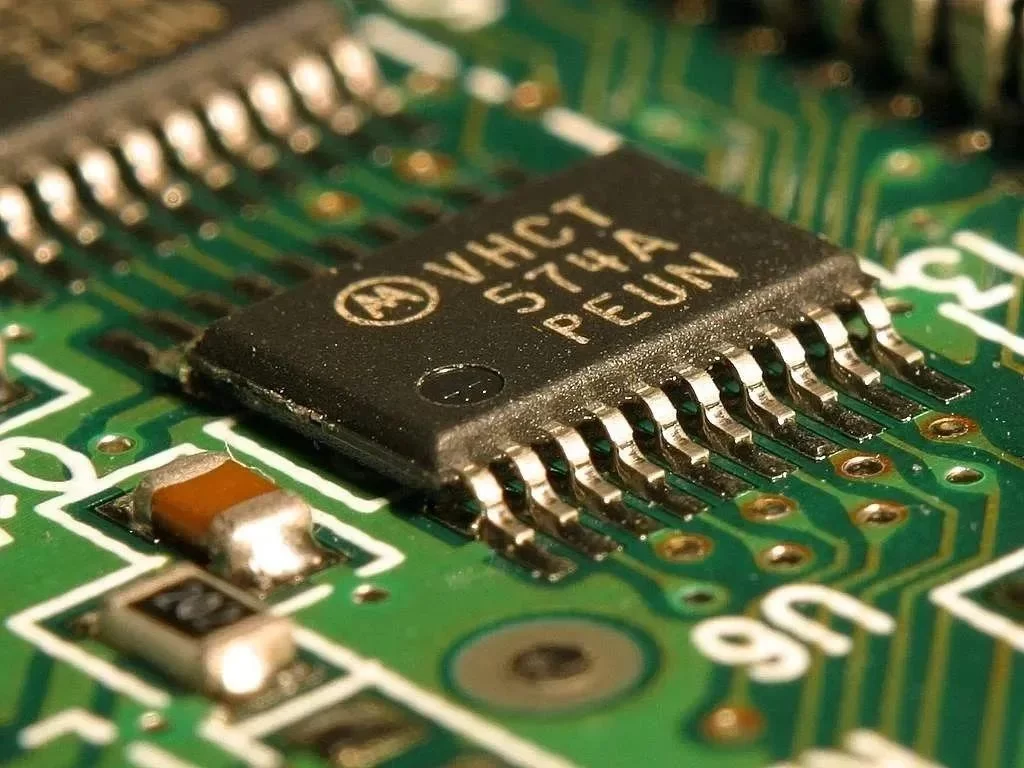
Via holes, also known as through holes, play a role in connecting different parts of a circuit board.


