
Twisting
Twisting
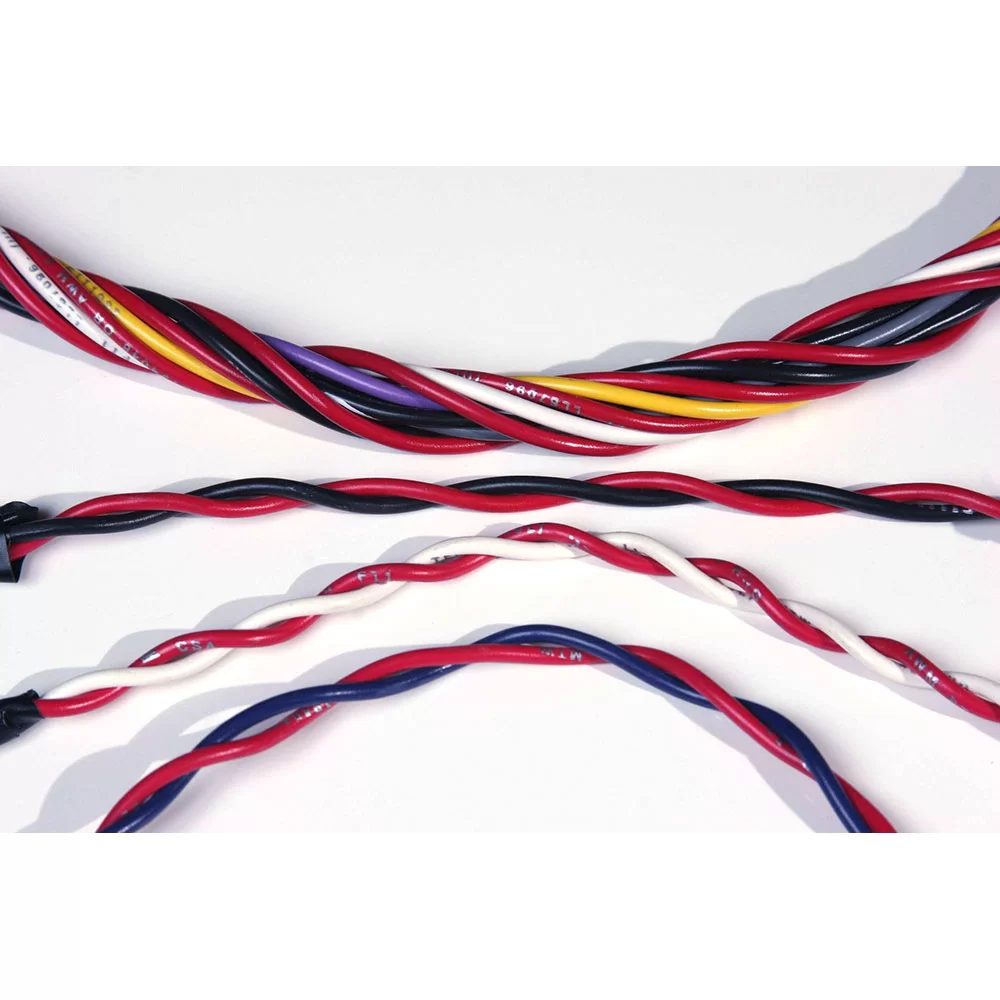
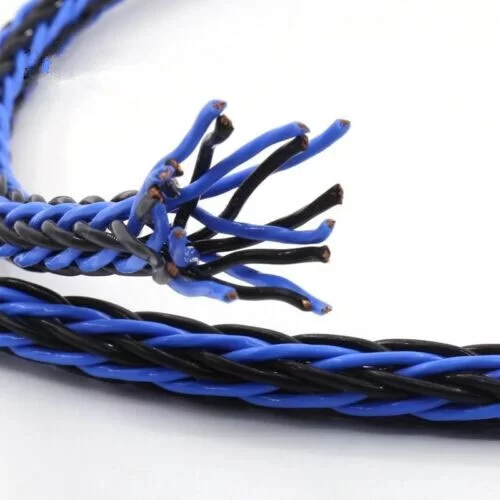
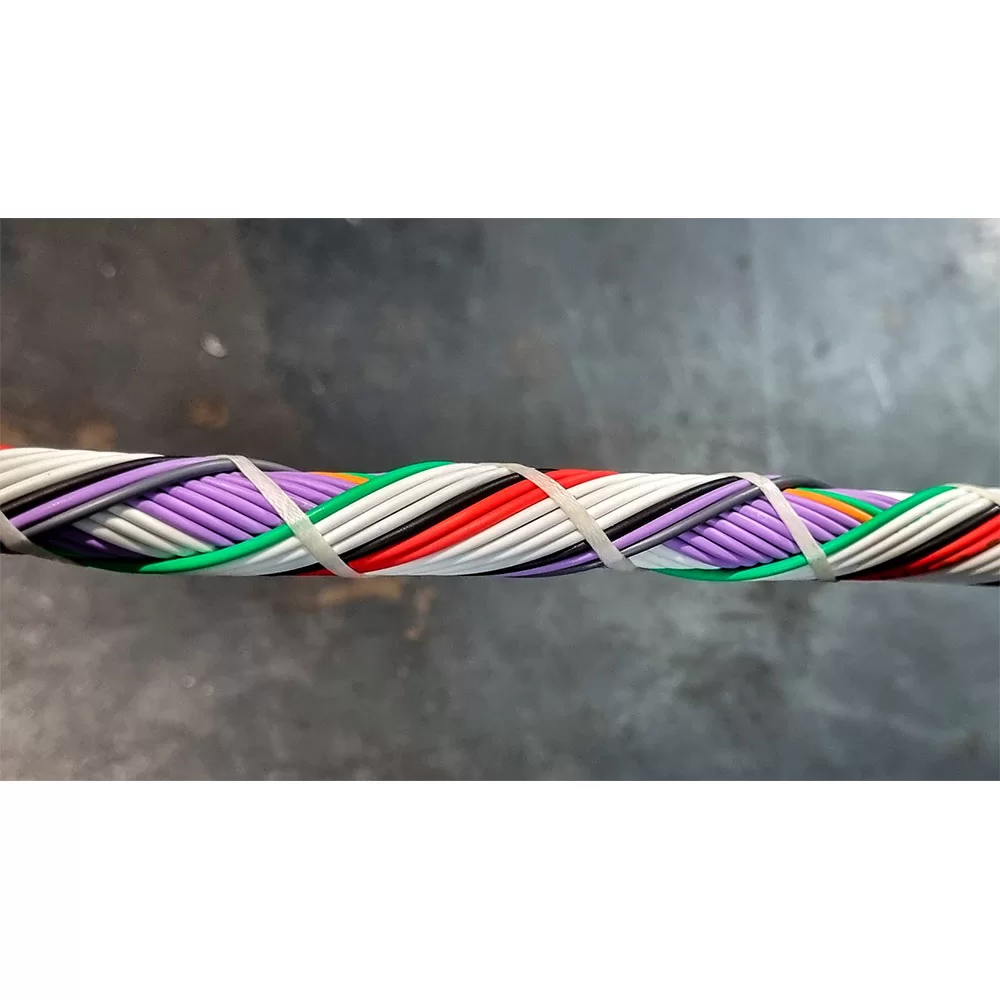
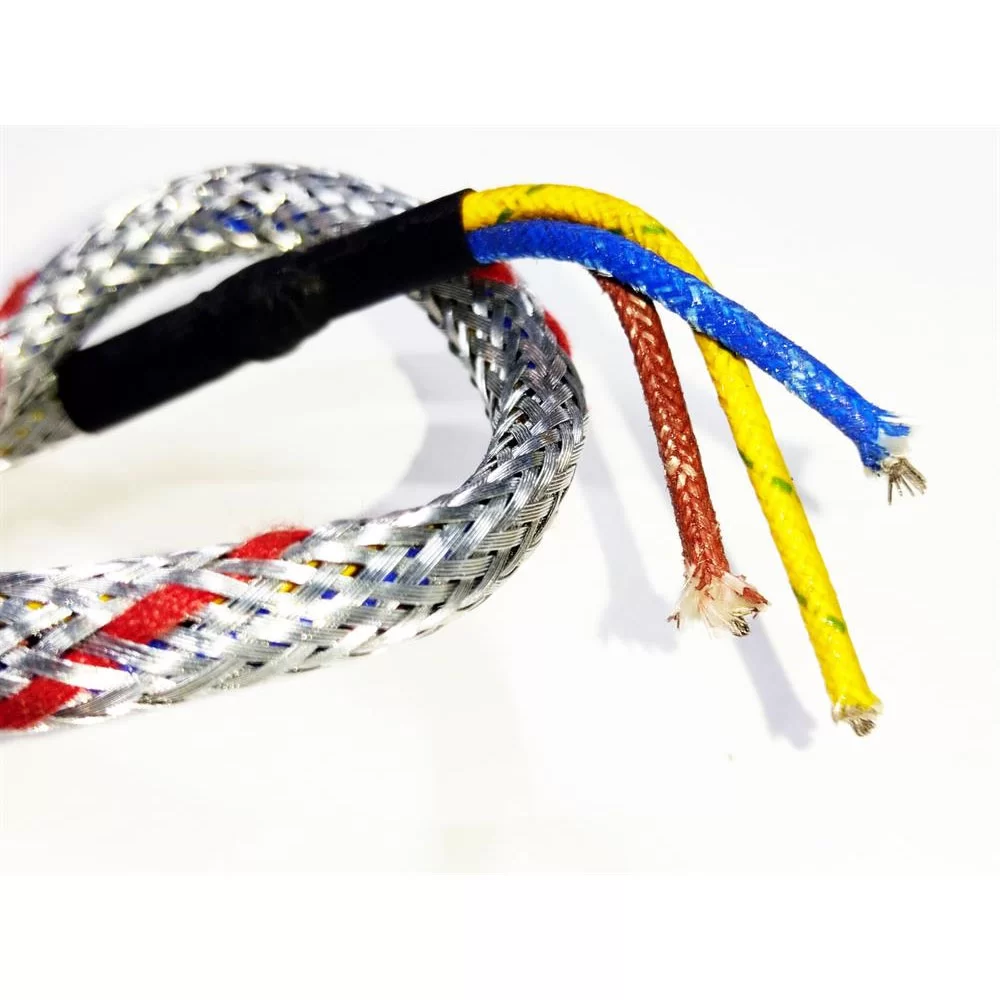
Twisting entwines multiple wires and arranges them tightly next to each other. Depending on the AWG size, we can group up to fifty conductors. The process of putting wire ends into a drill and then twisting the wire is one home-spun twisting method still practiced on the production floor. The method will get the job done to some extent, but it will not remove the natural twist in each wire. This means that if the wire is cut into small lengths, it will not stay twisted together. Another problem with the method is the wire acquires dirt and grit on the production floor. The dirt could transfer to the finished product, which could then pose major problems. Twisting using a dedicated wire twisting machine is the only way to get a good lay to the wires.
Our twisting service
Hubcircuits can accommodate various twisting combinations. We can twist up to four conductors in-house. If more conductors are required for your product we are still able to provide.
If you have any camping barbeque equipment inquiry, please feel free to contact us.
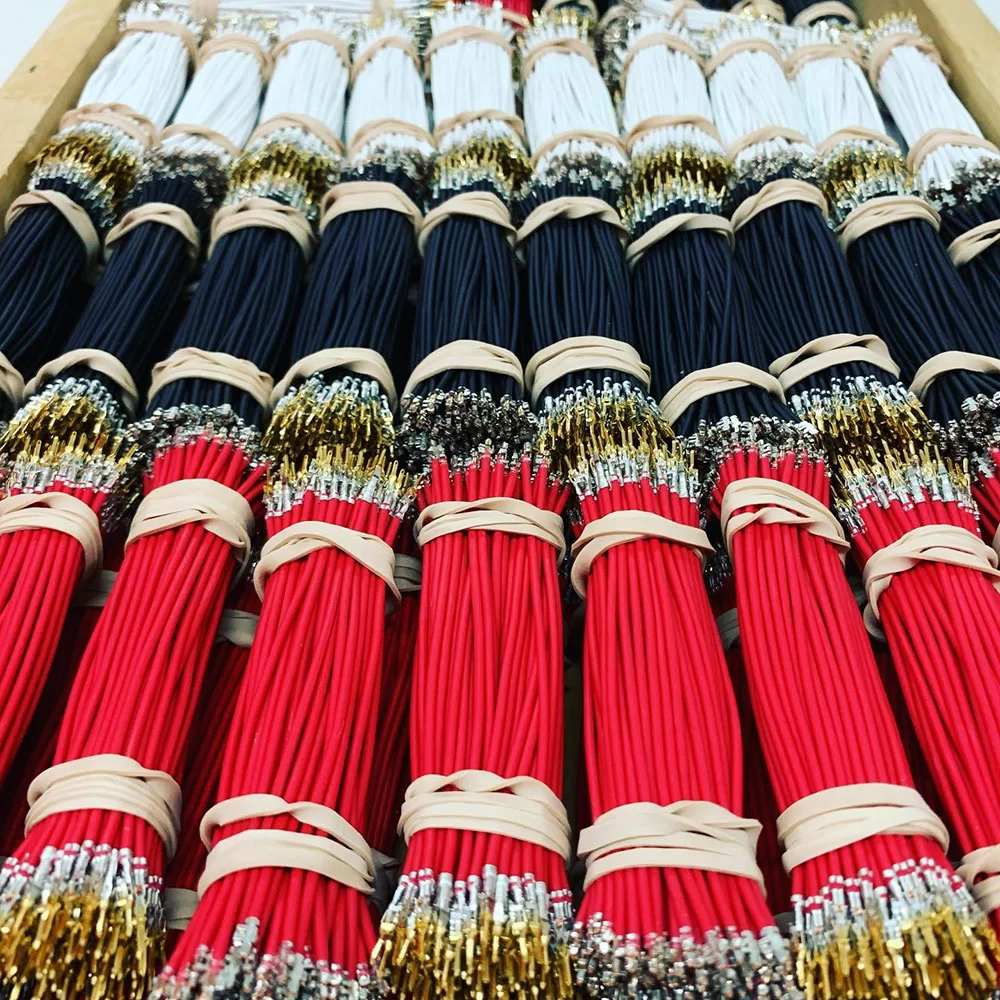
Managing kitting and packaging in-house can be time-consuming, costly, and error-prone.
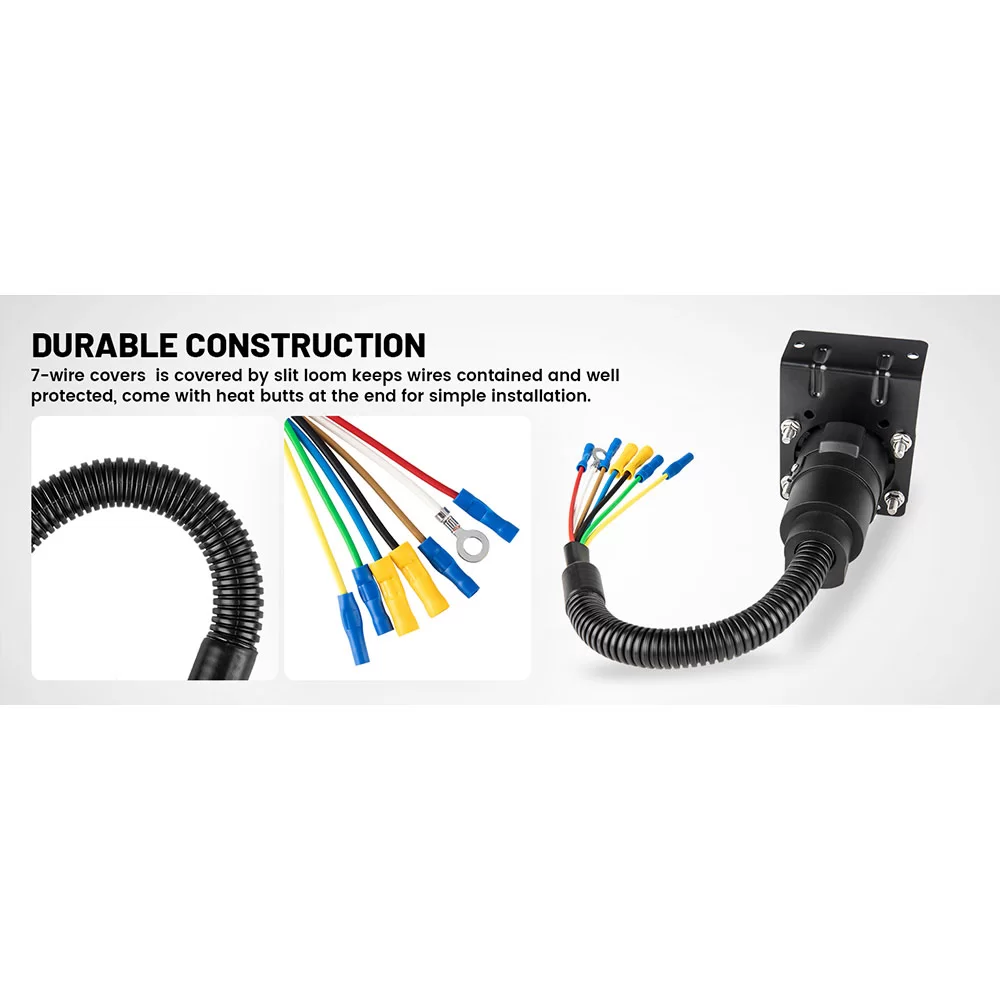
Maybe an off-the-shelf cable can't meet your needs.
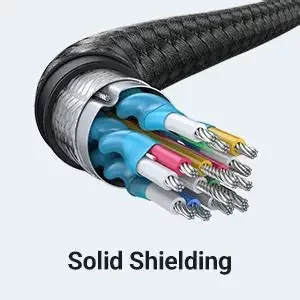
Shielding refers to the metallic layer surrounding a cable’s conductor, created to limit signal interference between the wire and external fields.
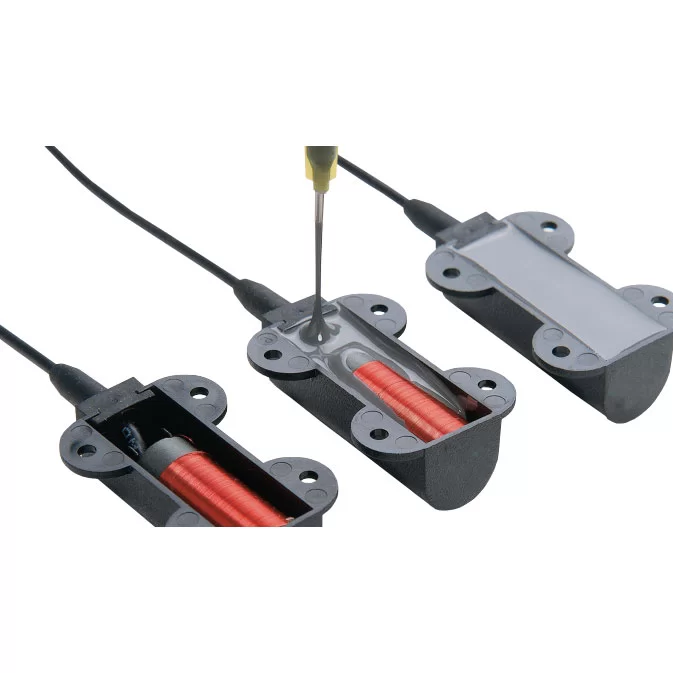
Cable potting involves encasing conductors in an epoxy, liquid, or gel within an enclosure or feedthrough housing.
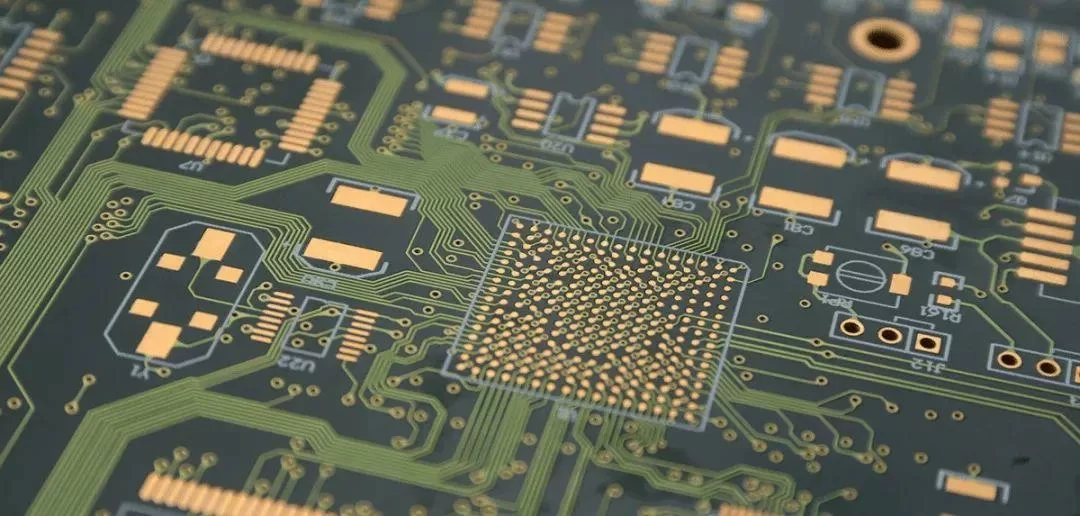
PCB manufacturing is the process of building a physical PCB from a PCB design according to a certain set of specifications.
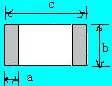
The following design standards refer to the IPC-SM-782A standard and the design of some famous Japanese design manufacturers and some better design solutions accumulated in the manufacturing experience.
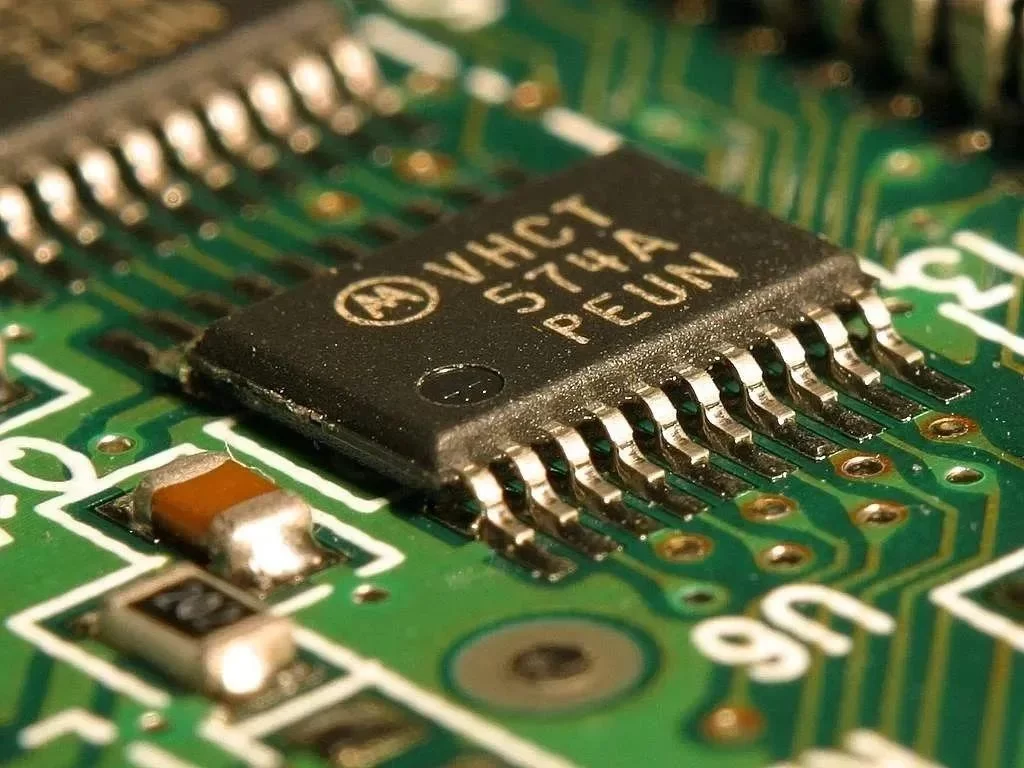
Via holes, also known as through holes, play a role in connecting different parts of a circuit board.


