
Marine Wire Harness
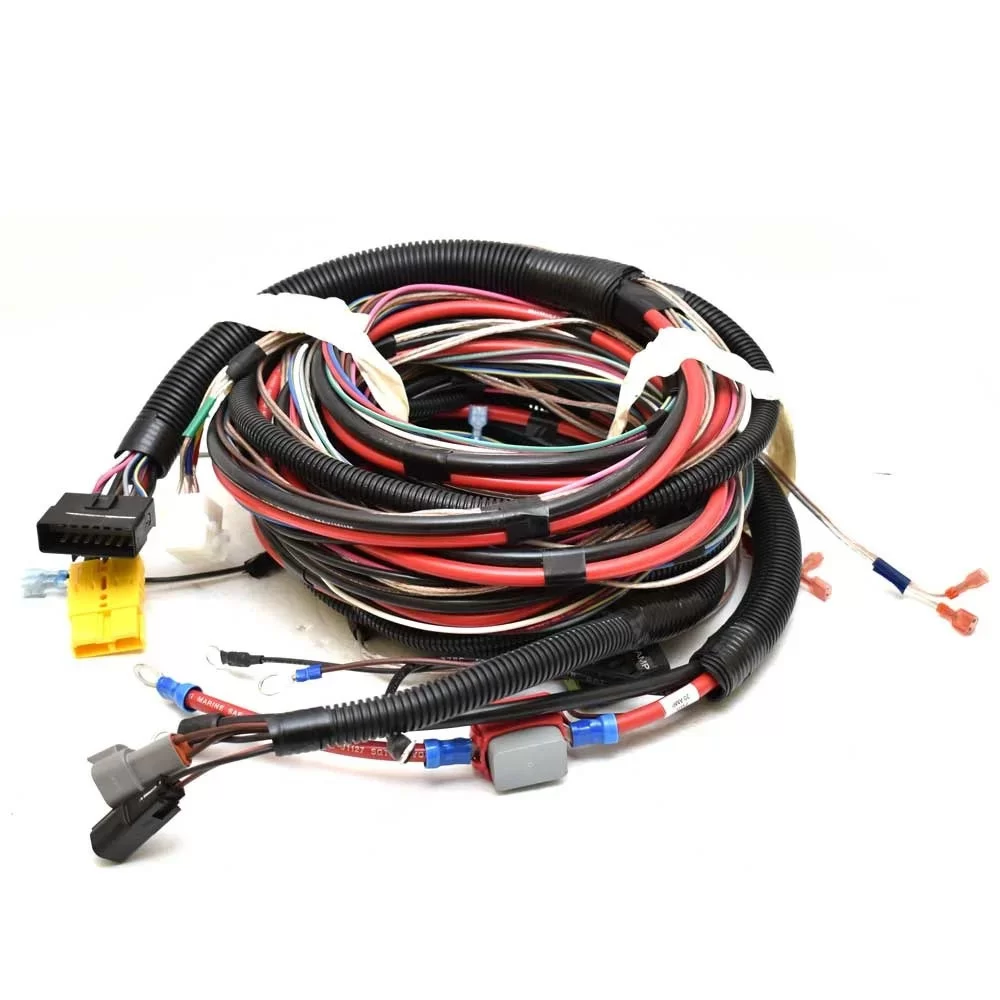
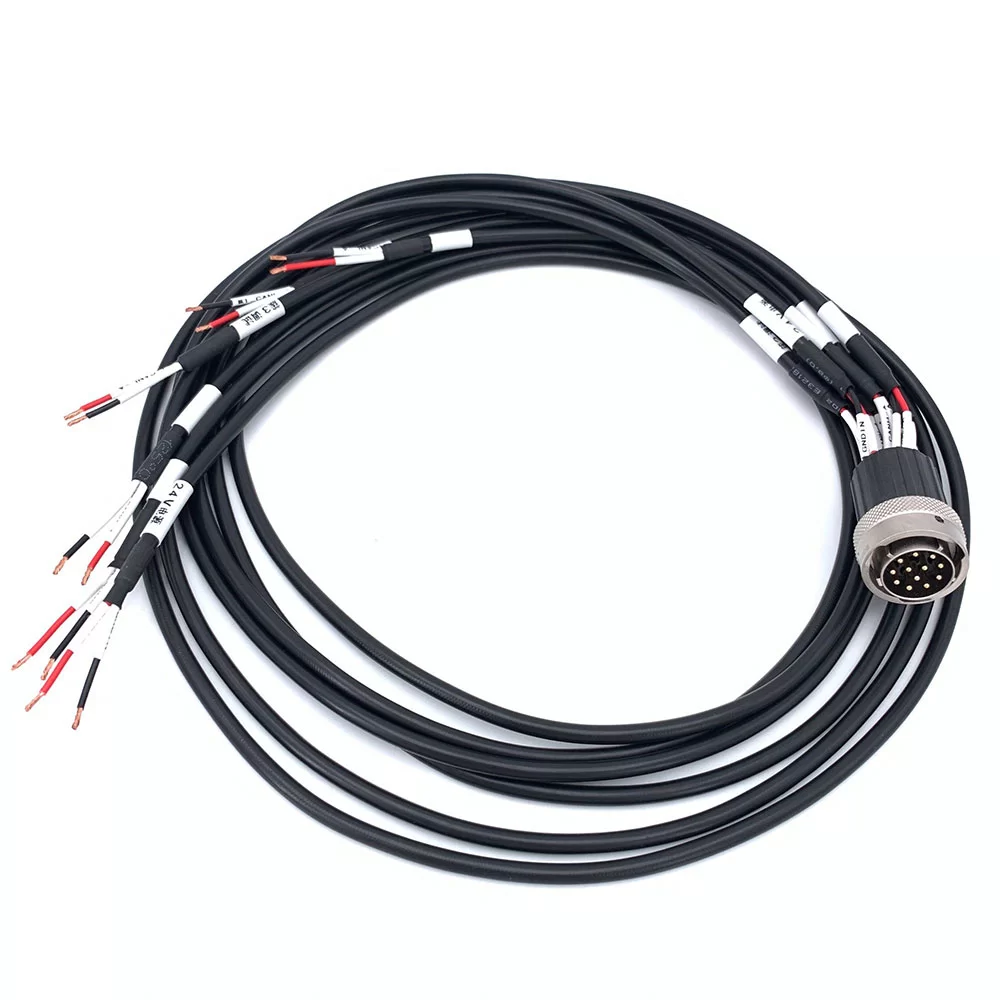
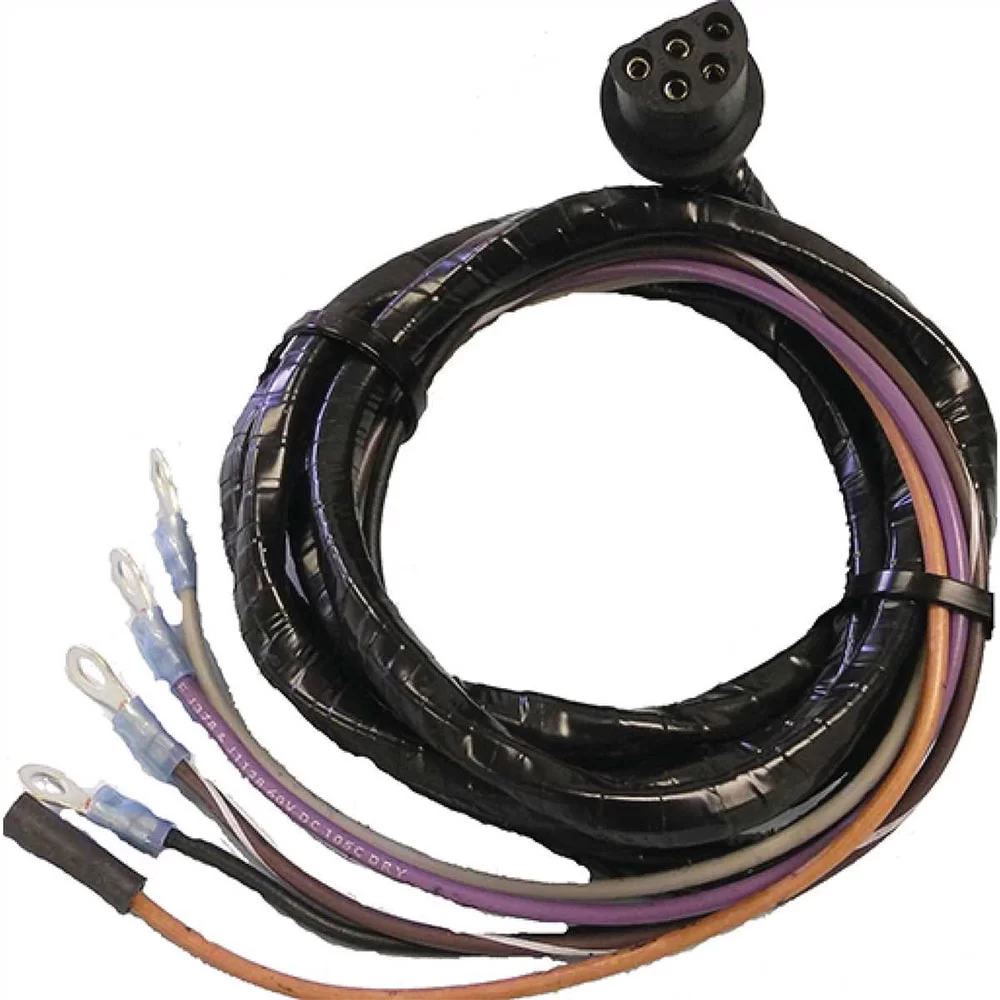
Design Considerations for Marine Wire Harnesses
Materials
In the marine environment, durability is your best countermeasure against disaster. Electrical systems must be carefully designed down to the smallest component to withstand extended exposure to corrosion, moisture, and vibration. This is particularly important for primary power circuits as a critical failure could be life-threatening. To that end, wire harnesses intended for ocean-going vessels and equipment may require marine-grade tinned wire paired with sheathing materials that are resistant to moisture and corrosion.
Configuration
Organization is another critical factor to consider when designing marine wire harnesses. Each harness should be configured with the shortest runs possible to motors and other circuits associated with critical navigation, illumination, and bilge functions in order to minimize voltage drop. In addition, wires should be color-coded in line with American Boat and Yacht Council (ABYC) standards and further group those wires according to their function and how often they’ll need to be accessed.
- ConnectorsA marine wire harness should ensure that connectors are kept away from sensitive instruments like compasses. Best practices dictate that any connectors exposed to the environment be sealed. However, a more complex marine wire harness may be configured in such a way that certain connections are not exposed. In this case, it may be possible to reduce costs without compromising system integrity or commonality of parts by using the unsealed version of the same connector family.
- Other ComponentsThe rigors of the ocean environment will factor into every design choice when it comes to developing a wire harness for marine use, but that doesn’t mean you should throw out the entire land-based playbook. Some of the same design principles apply. You’ll still want to ensure your assembly includes sufficient fasteners to protect the wires from damage and wear, as well as insulators and clamps or clips to help secure the connection. Depending on the project and its application, it may be necessary to include more complex components in the harness such as switches, relays, and sensors.
Benefits of Marine Wire Harnesses
Designing and manufacturing wire harnesses for marine applications requires a commitment of both time and capital, but it’s an investment with solid returns. Besides protecting delicate components from the elements and conducting electrical power so that it performs its intended function, a well-made wire harness secures and minimizes the footprint of circuits. Wires that are grouped into a wire harness assembly are far less likely to get tangled, pinched, or dislodged from their connectors. This optimizes functionality and use of space, both major concerns in the marine environment.
Another critical concern is fire safety. A wire harness allows multiple connections to be made at once, eliminating the need for additional wiring usage. This reduces cable clutter while also improving safety by reducing potential fire hazards caused by loose connections or poorly installed cables. In addition, many types of junction boxes used in standard residential wiring systems cannot withstand the high temperatures found on most boats and ocean-going vessels. Marine wire harnesses are designed specifically for these environments and have built-in insulation that prevents overheating and short circuits from occurring.
On the maintenance side, marine wire harnesses can help minimize the time, labor, and cost associated with repairs. An organized wire harness assembly allows technicians to isolate and address problems with individual systems. Damaged and/or malfunctioning components can then be repaired or replaced and simply reconnected. That means less down time for mission-critical machines, vehicles, and other equipment, as well as cost savings to bolster your bottom line.
In addition, wire harnesses can be tailored to meet the specs and safety requirements of projects that involve unique electronic processes. As previously mentioned, the ocean is a singularly challenging environment from the physical perspective, but successful operation within the marine environment also requires a level of finesse. Navigation in particular requires sensitive instrumentation, some of which utilize electrical power. Ensuring the system delivers the correct amount of current without damaging the more delicate components may require an unconventional use of materials, seals, connectors, or splicing. Luckily, with the right technology and support, a marine wire harness can be manufactured in just about any configuration.
What is Marine Wire Harness
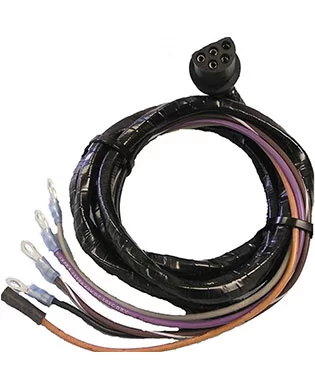
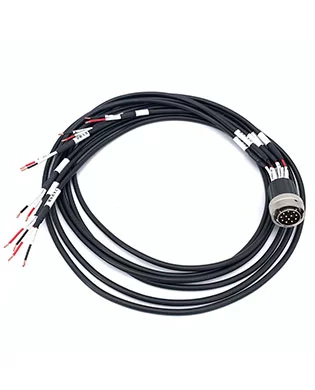
Marine wire harnesses are made to handle saltwater, vibration, and intense temperature changes around boats. They package a bunch of different electrical wires with protective materials. These can be corrugated tubes, braided sleeves, and more. A wiring harness for boat applications sends electrical signals and power throughout vessel systems. It does this while protecting connections from corrosion, moisture ingress, and stress.
Technical Requirements
Marine wire harness designs need a minimum of 16 AWG tinned copper conductors with stranded construction for flexibility and corrosion resistance. All wires must meet a 50V DC minimum rating with a standard 600V voltage rating and 105 °C insulation for continuous operation. Engine compartment applications require 75 °C minimum temperature rating with oil resistance and flame-retardant properties meeting marine fire safety specifications.
Regulatory Compliance Standards
Professional wire harness manufacturing follows IPC-620WHMA assembly standards, ensuring consistent quality and reliability. Assemblies must comply with ABYC standards and mandatory CFR Title 33 regulations, including proper wire identification through color coding and voltage drop limitations of 3% for essential circuits and 10% for general purpose applications.
If you have any camping barbeque equipment inquiry, please feel free to contact us.
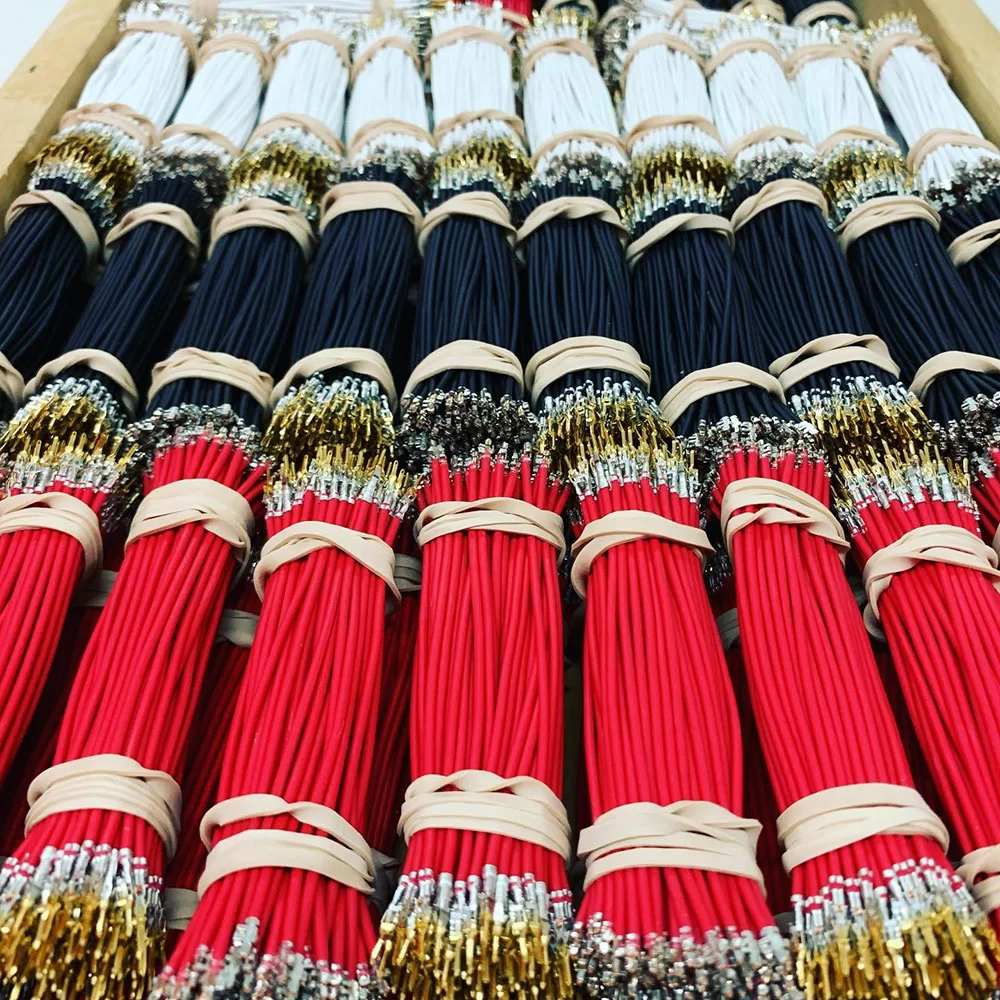
Managing kitting and packaging in-house can be time-consuming, costly, and error-prone.
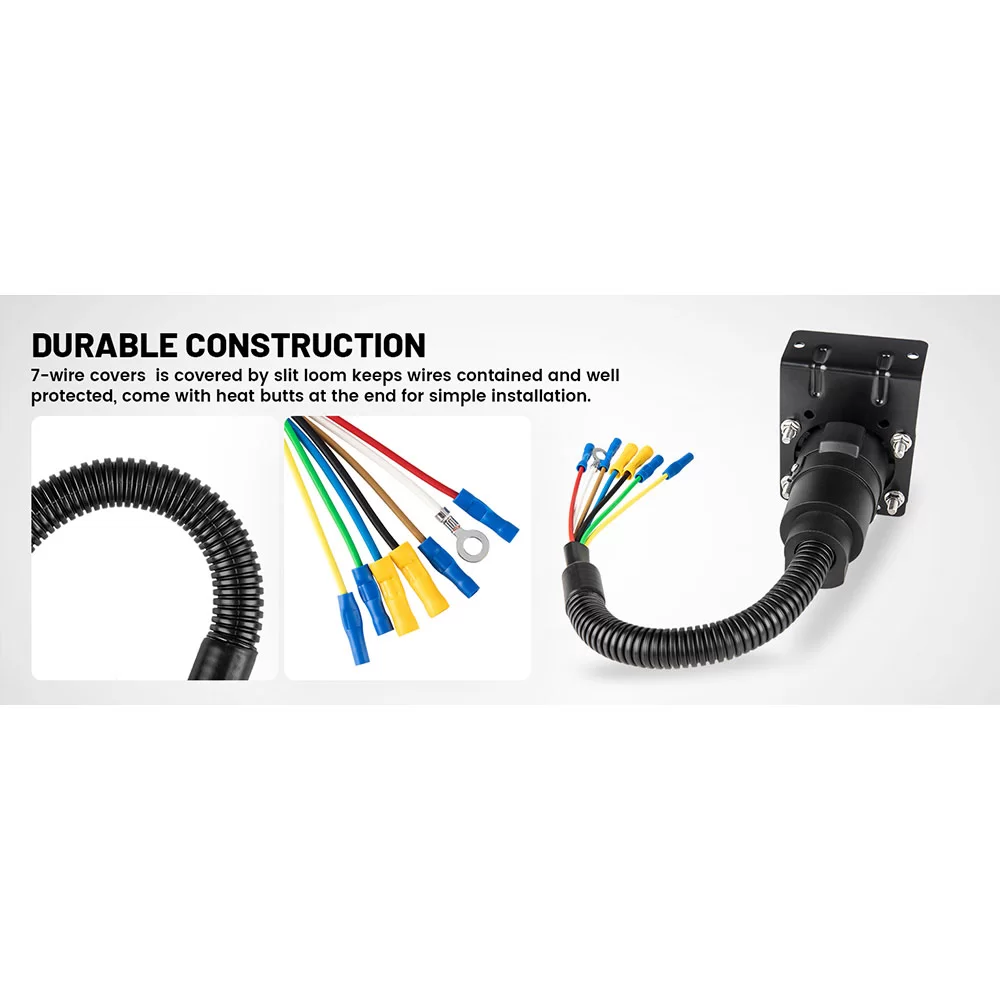
Maybe an off-the-shelf cable can't meet your needs.
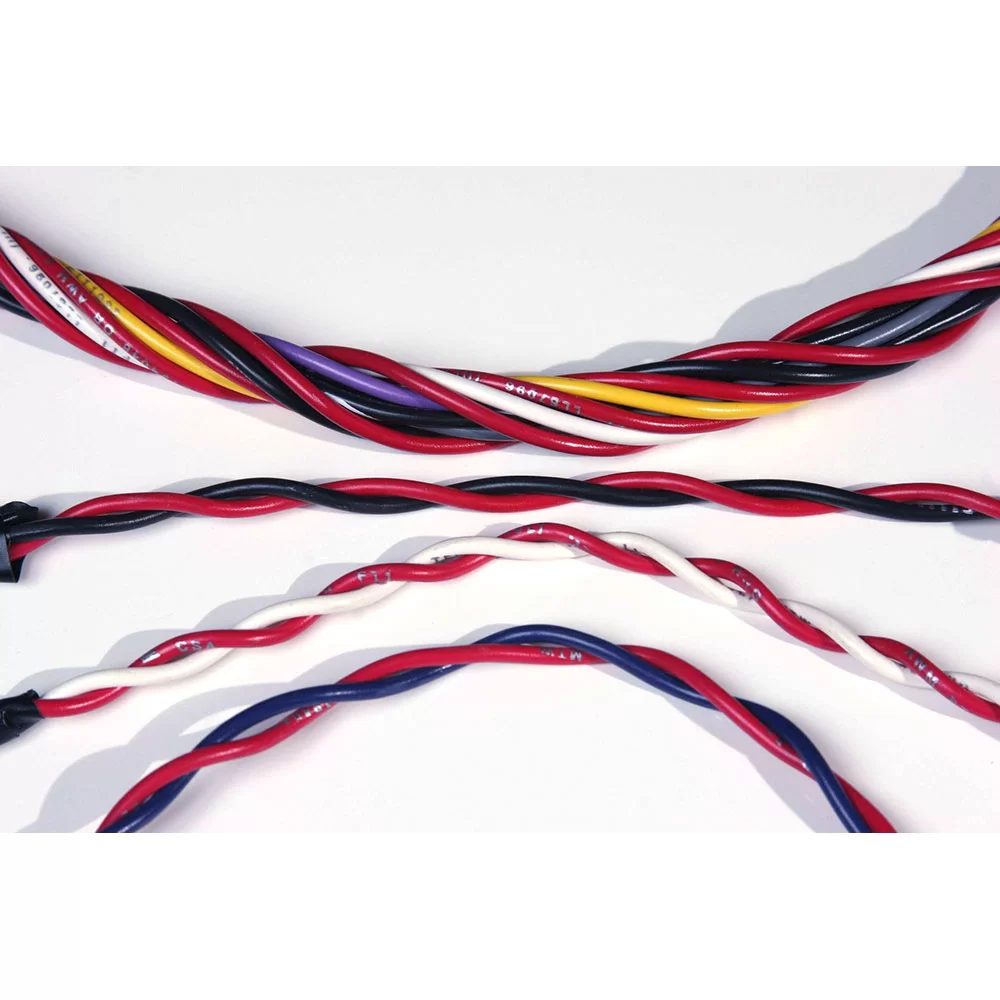
Twisting entwines multiple wires and arranges them tightly next to each other. Depending on the AWG size, we can group up to fifty conductors.
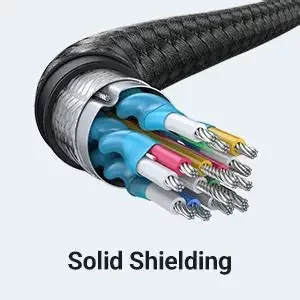
Shielding refers to the metallic layer surrounding a cable’s conductor, created to limit signal interference between the wire and external fields.
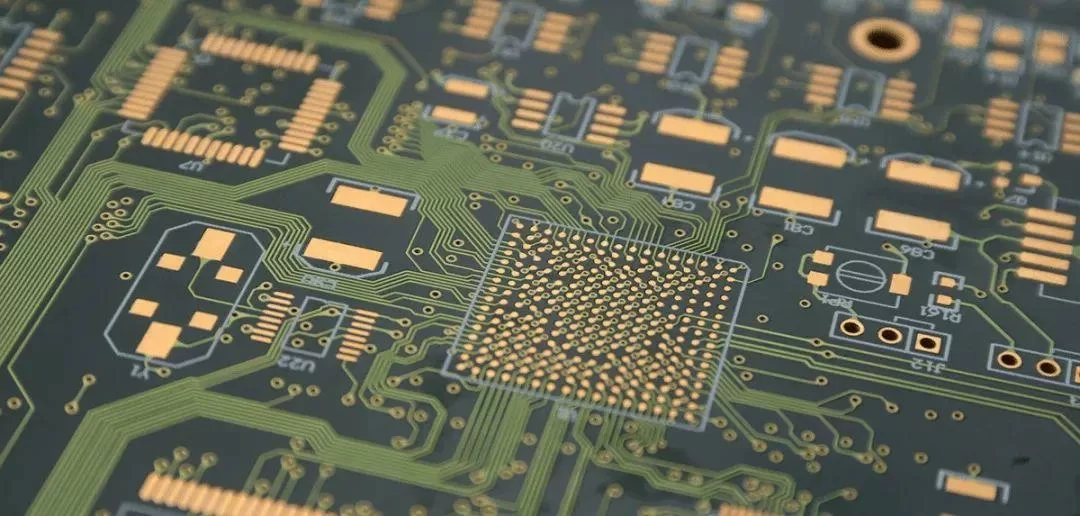
PCB manufacturing is the process of building a physical PCB from a PCB design according to a certain set of specifications.
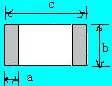
The following design standards refer to the IPC-SM-782A standard and the design of some famous Japanese design manufacturers and some better design solutions accumulated in the manufacturing experience.
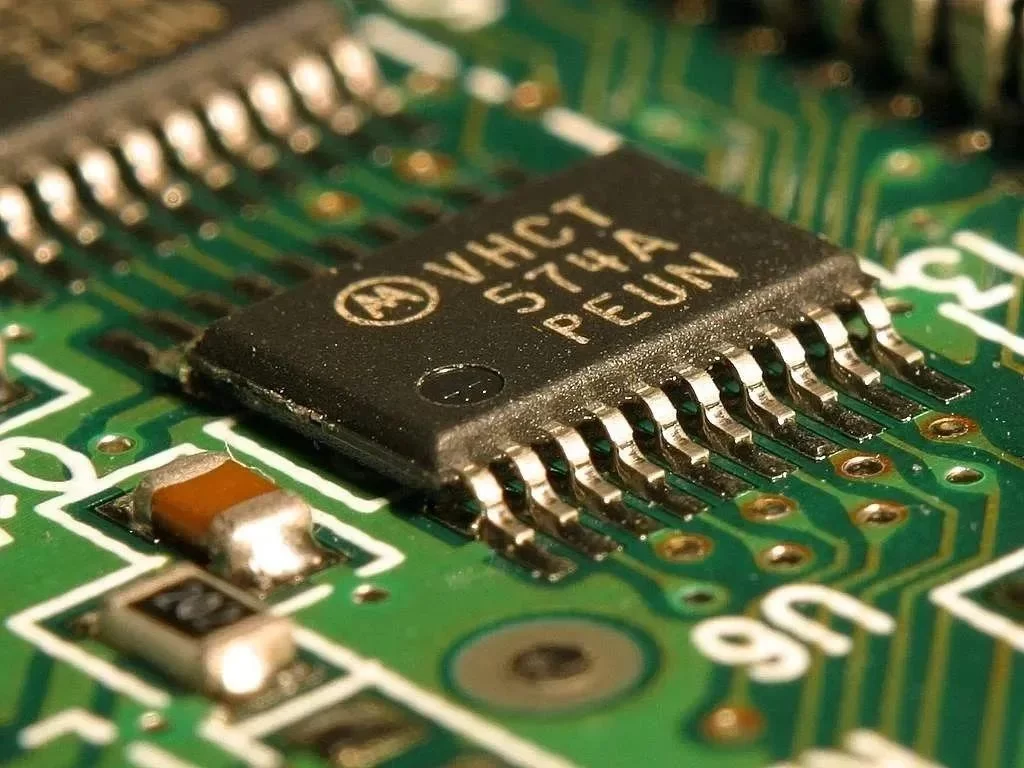
Via holes, also known as through holes, play a role in connecting different parts of a circuit board.


