
Industrial Control PCB Assembly
The impact of PCBA boards on the performance of industrial control equipment
1. High Integration Enhances Performance:With technological advancements, components on PCBA boards are becoming increasingly miniaturized and denser. This highly integrated design not only reduces the size of the equipment but also improves its overall performance. In the industrial control field, this translates to more powerful data processing capabilities, faster response times, and higher work efficiency.
2. Low Power Design Extends Lifespan:Industrial control equipment often requires continuous operation for extended periods, making low power consumption crucial. PCBA boards utilize advanced energy-saving technologies and low-power components to effectively reduce overall power consumption, thereby extending equipment lifespan and reducing maintenance costs.
3. Strong Expandability Meets Diverse Needs:The industrial control industry has a wide range of applications, from industrial automation to intelligent manufacturing, each with its specific requirements. PCBA boards offer flexible designs and can be customized to meet diverse application needs, such as adding specific interfaces or functional modules, to satisfy diverse customer requirements.
Applications of PCBA boards in the industrial control
1. Industrial Automation Control Systems: In industrial automation control systems, PCBA boards, as the core control unit, are responsible for receiving sensor signals, executing control commands, and communicating with other devices. Their stability and reliability directly affect the operational efficiency and safety of the entire automation system.
2. Intelligent Instruments and Testing Equipment: Intelligent instruments and testing equipment are important components of the industrial control industry. The PCBA boards in these devices integrate data acquisition, processing, display, and transmission functions, providing strong support for industrial production and quality inspection.
3. Embedded Systems and Robotics: In embedded systems and robotics, PCBA boards act as the brain and central nervous system. They are responsible for processing complex algorithms and instructions, driving robots to complete various precise operational tasks.
What is Industrial Control PCB Assembly?
Industrial control has two aspects – industrial-grade and MCU-controlled.
What does an industrial grade mean? It means the device serves business uses for many people, its reliability, performance, and safety are important. By contrast, a commercial-grade device, such as a home appliance, is for home use for one or a few users.
MCU-controlled is straightforward to understand. The device is developed based on and controlled by Microcontrollers. These MCUs can be ESP32, ESP8266, Neoway wireless modules, Quectel WiF and Bluetooth modules, Fibocom IoT wireless communication modules, and Simcom automotive-grade wireless communication modules.
So we can define an industrial control board now — it is an industrial-grade device developed based on and controlled by MCUs for public and business uses.
PCB assembly for industrial control boards requires precision and high reliability. It includes PCB fabrication, component sourcing, PCB assembly, and value-added services such as IC burn-in programming and box-build assembly. As industrial control PCB assembly will finally go to mass production, it is necessary to have PCBA prototyping and sampling before mass production.
Standards for Industrial Control PCB Assembly
Industrial SIL: Safety Integrity Level, which gauges SIS safety performance.
IEC 61511: A process industry standard for safety instrumented systems (SIS) definition, design, installation, operation, and maintenance.
- IPC-6012: Covers rigid printed circuit board qualification and performance, including a base material, conductor configuration, hole requirements, surface and internal conductors, and labeling.
- IPC-2221: Layout, trace width, and spacing, via dimensions, and other design standards for printed circuit boards.
- UL 94: Tests electronic equipment plastics for flammability. These PCBs are flame-retardant.
Industrial PCBs must conform with RoHS, which prohibits the use of six hazardous chemicals in electronic and electrical equipment.
If you have any camping barbeque equipment inquiry, please feel free to contact us.
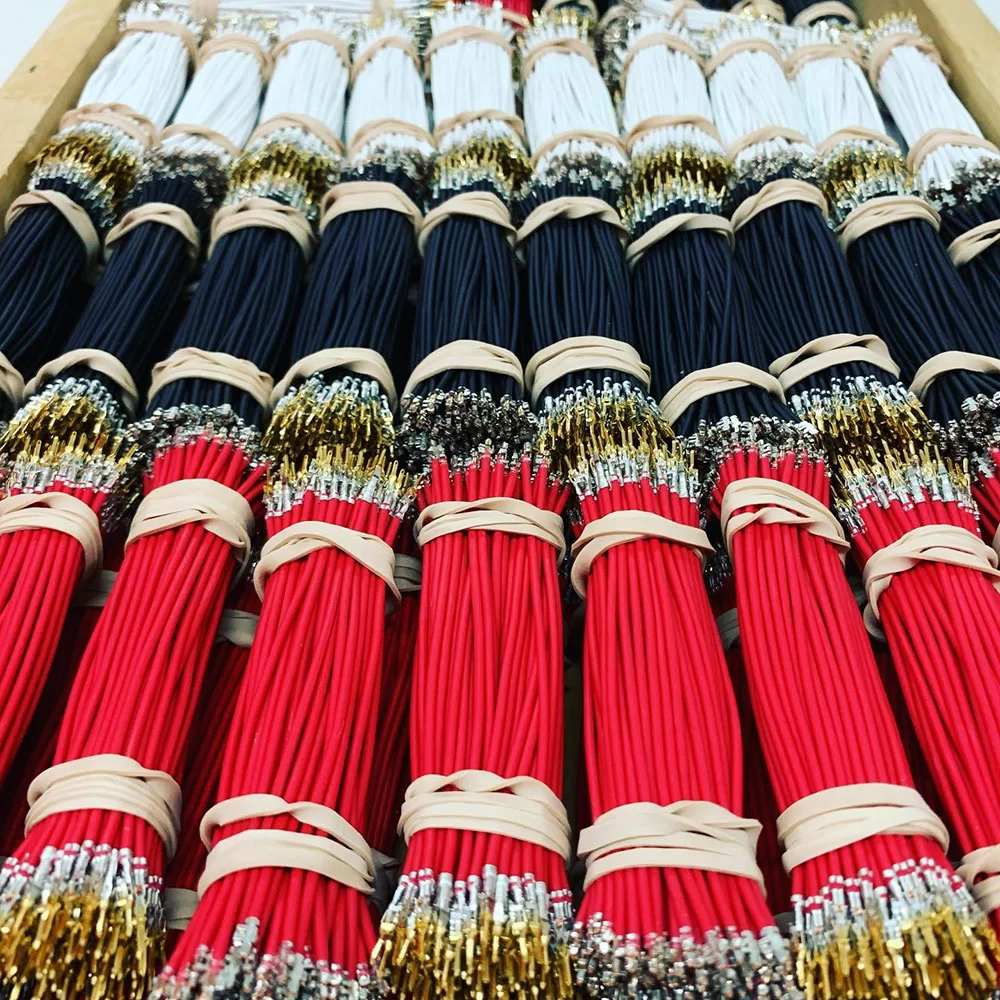
Managing kitting and packaging in-house can be time-consuming, costly, and error-prone.
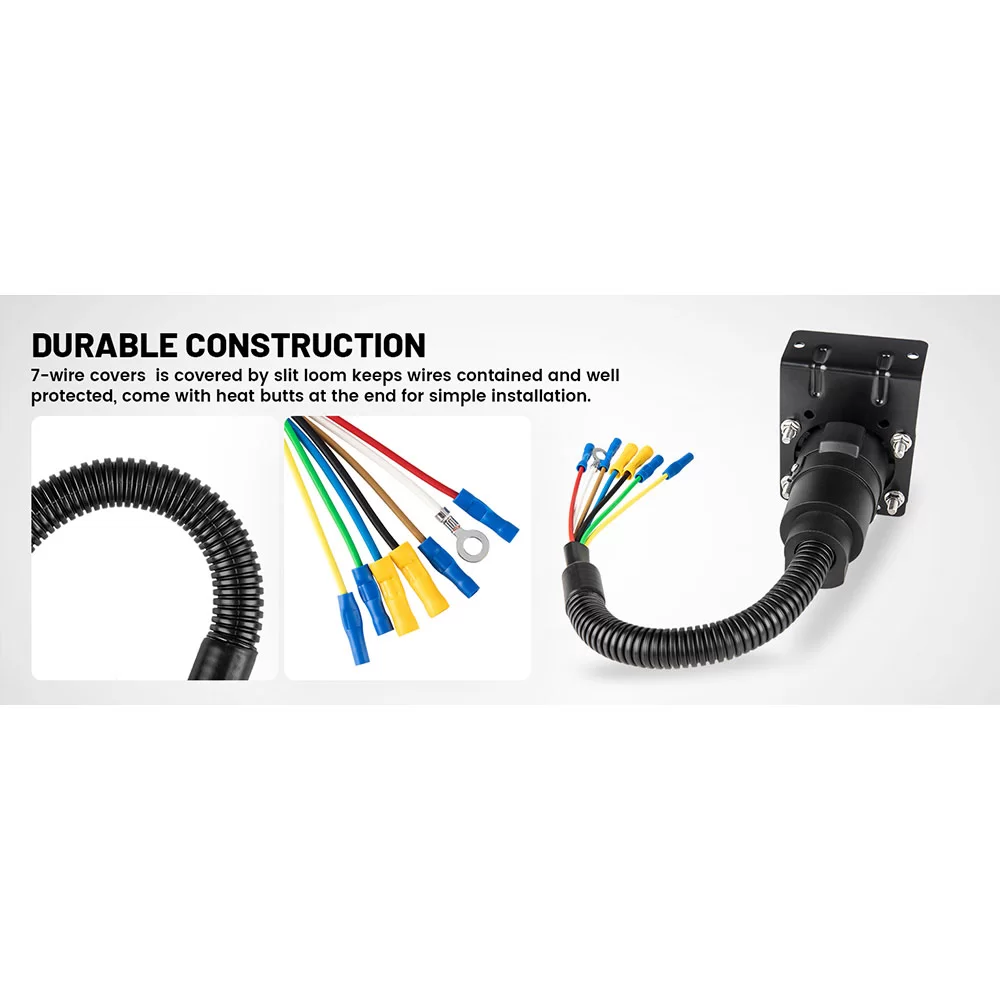
Maybe an off-the-shelf cable can't meet your needs.
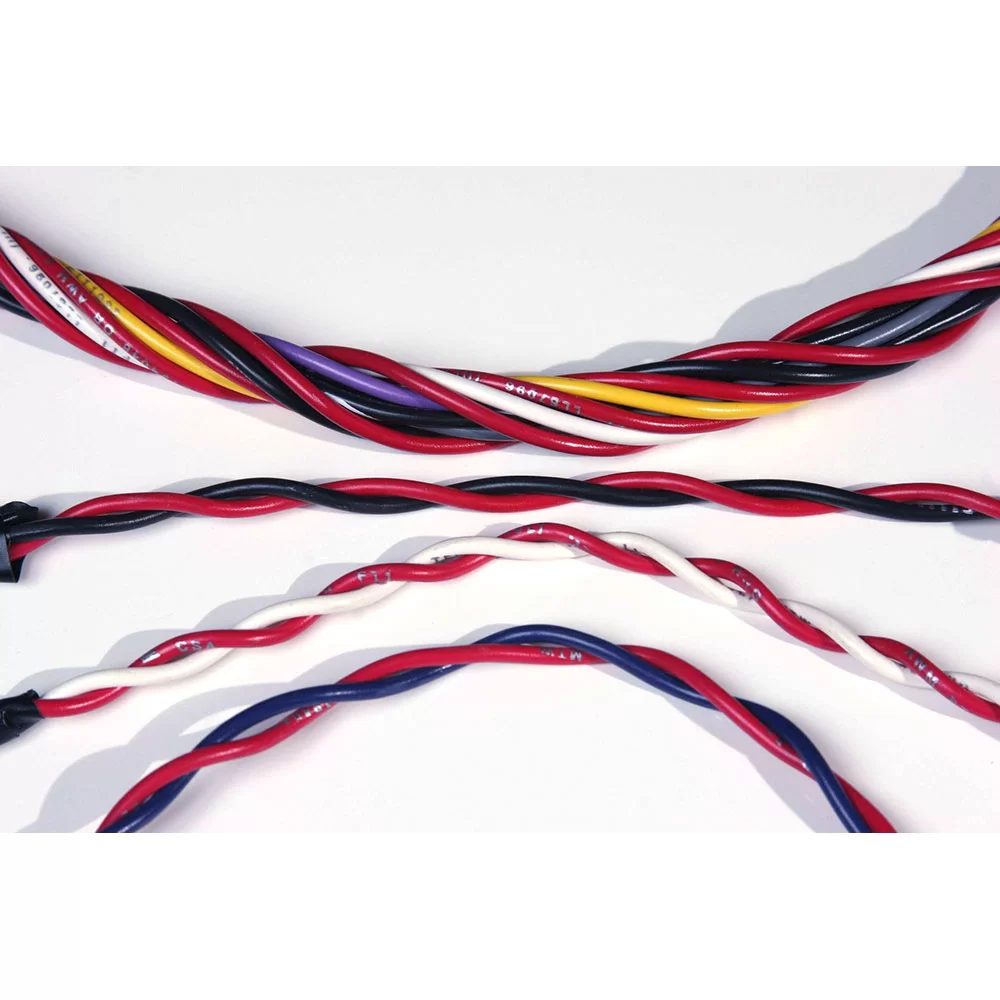
Twisting entwines multiple wires and arranges them tightly next to each other. Depending on the AWG size, we can group up to fifty conductors.
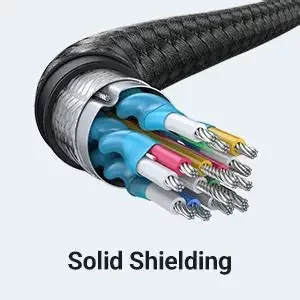
Shielding refers to the metallic layer surrounding a cable’s conductor, created to limit signal interference between the wire and external fields.
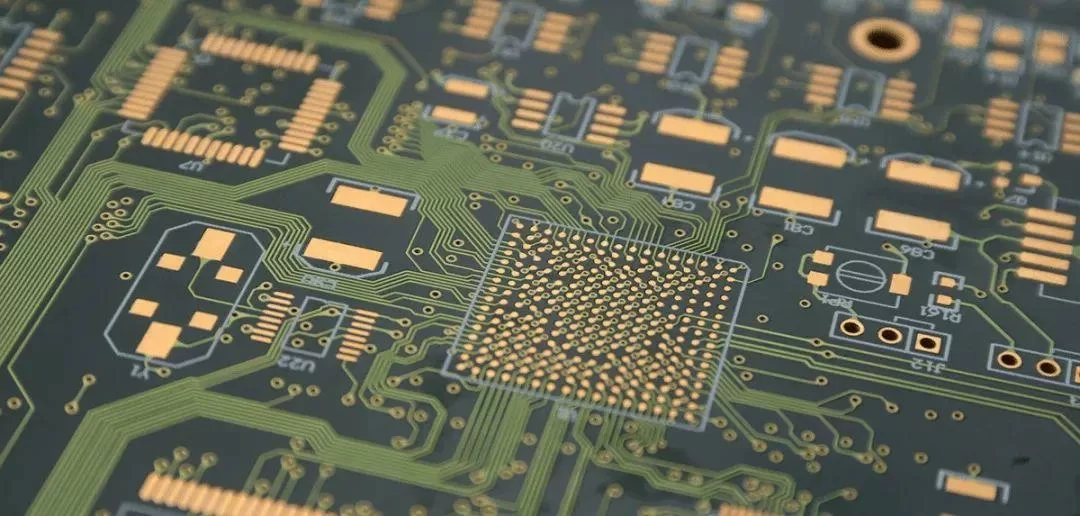
PCB manufacturing is the process of building a physical PCB from a PCB design according to a certain set of specifications.
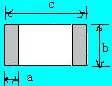
The following design standards refer to the IPC-SM-782A standard and the design of some famous Japanese design manufacturers and some better design solutions accumulated in the manufacturing experience.
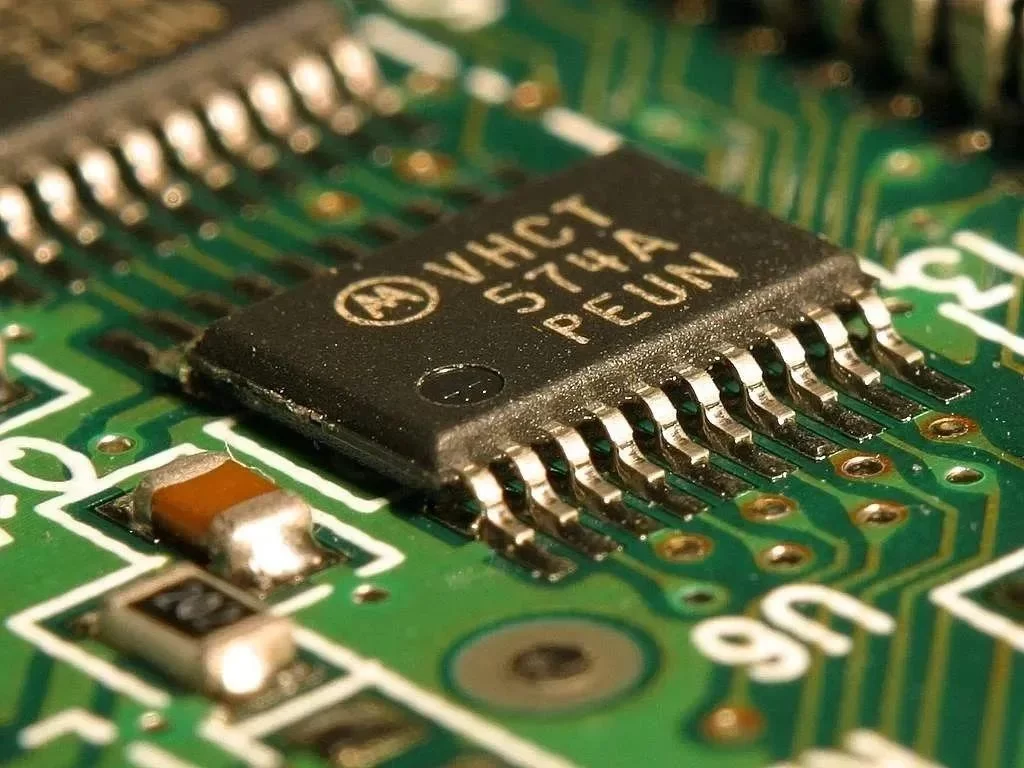
Via holes, also known as through holes, play a role in connecting different parts of a circuit board.


