
Ribbon Cable Assembly
About of the Ribbon Cable Assemblies
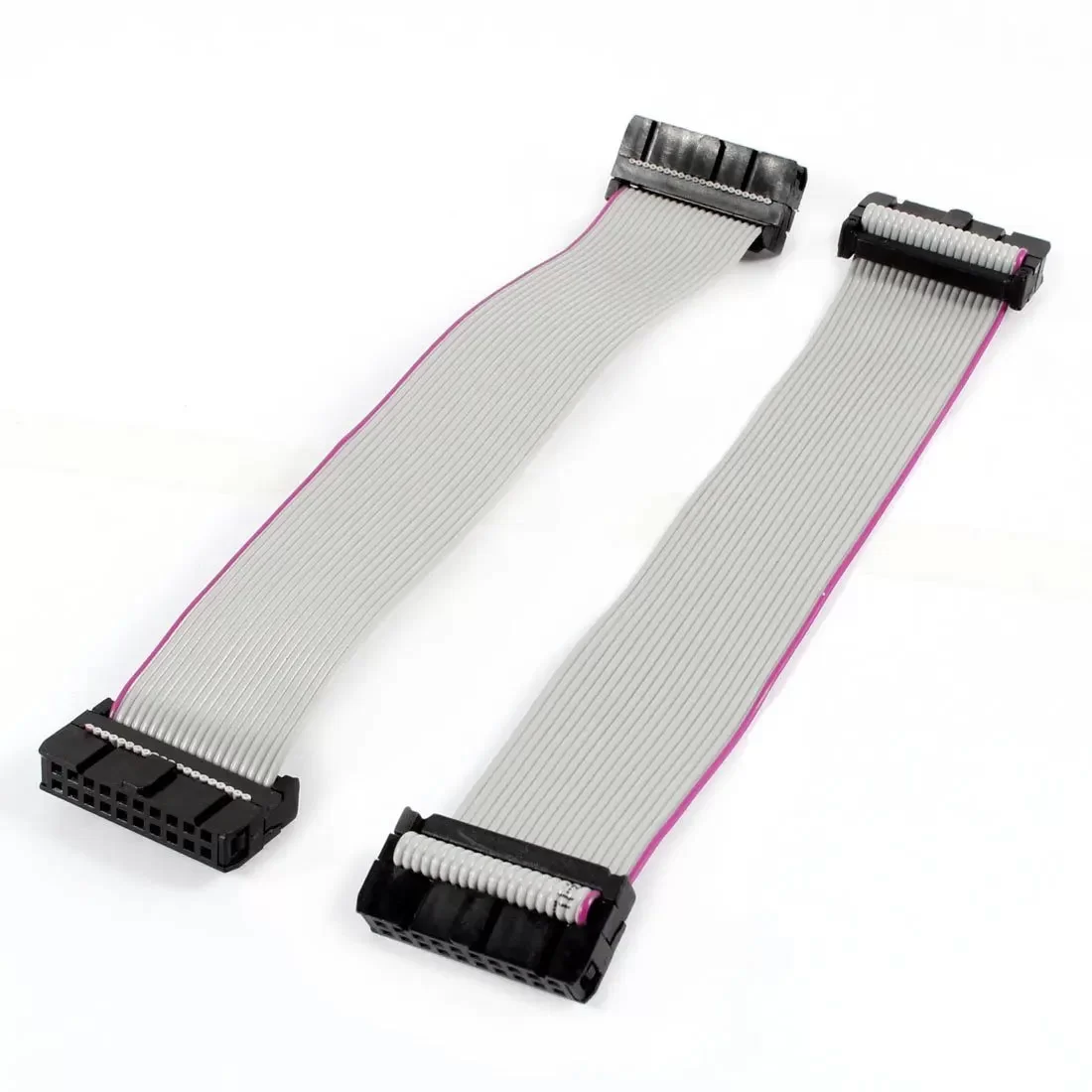
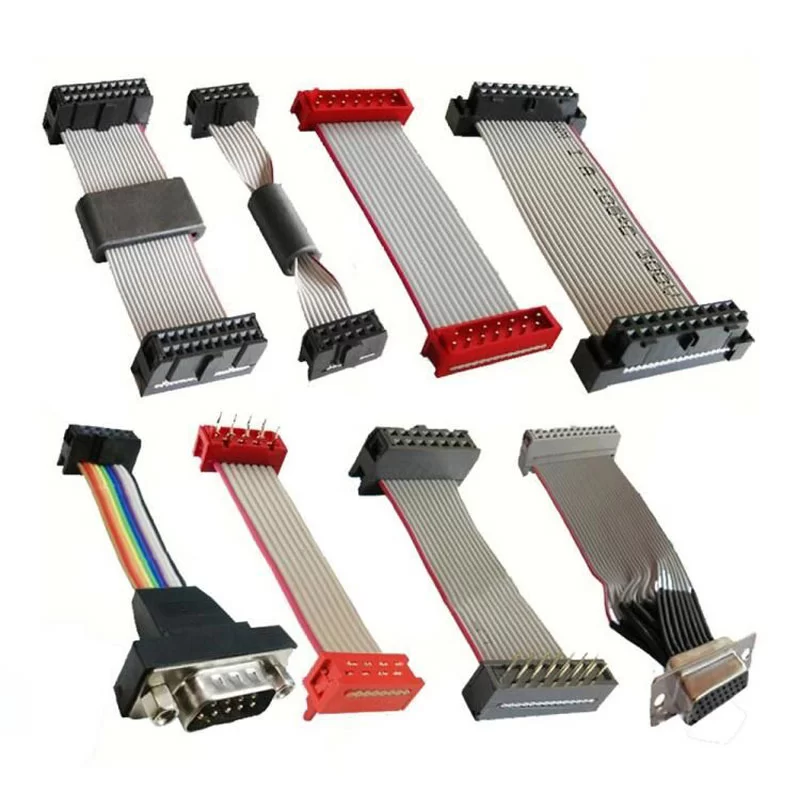
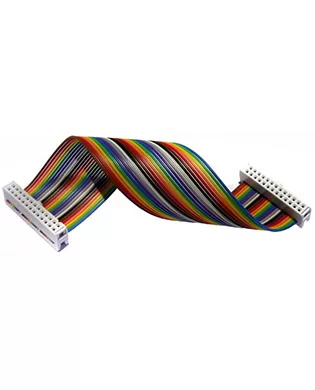
Ribbon cable is a cable designed in a flat and rectangular shape and gets its name from its resemblance to a piece of ribbon. Ribbon cable assemblies terminate into an industry-standard insulation displacement contact (IDC) socket. They are well suited for wire-to-board applications that are commonly found in telecommunications, networking, medical devices, industrial control systems, military applications, gaming, and a whole host of others.
Advantages of Ribbon Cable Assemblies
1. Saves Space: Flat ribbon cables have a higher packing density than ordinary round cables. Therefore, in much new aviation and other equipment, the flat ribbon cable is used to make it more applicable to equipment with narrow space.
- 2. Light Weight: Due to the stacking of flat ribbon cables and the simplification of fixtures and supports, the weight in this respect is lighter than that of round cables. In addition, the conductor made into a pin-type connector is much lighter than the round connector.
- 3. More Flexible: Flat cables have a larger bending amplitude. So in some cases where the cable is often bent, the flat cable can be applied to avoid breaking due to frequent bending.
- 4. More Reliable: The use of flat conductor ribbon cables for interconnection ties improves reliability in some ranges. The high tensile strength of the insulation and the planar structure provides for uniform stresses on the cable, improving resistance to operating and dynamic workload. The advantages are even more significant when using smaller conductor sizes. Flat cables have fast heat dissipation so they can reduce operating temperatures and have proven to be reliable in many applications.
- 5. Small Size: The high tensile strength of the insulation and the flat structure make the cable evenly stressed and improve the ability to withstand operation and dynamic workloads. When using smaller-sized conductors, the termination of the flat cable is easy to mechanize, simple, and reliable.
- 6. Lower Costs: The material costs, design, and development costs, manufacturing costs, and installation costs play an important role in reducing costs.
- 7. Stronger: Due to the uniform stress distribution and the increased strength of the flat cable, the structural strength is improved, so the cross-sectional area of the conductor can be reduced to the size required for the current capacity. The conductors are easy to separate and can be routed in the circuit.
Ribbon Cable Applications
Computing: Internal connections in PCs and laptops
- Consumer Electronics: Connections in home appliances and audio equipment
- Automotive: Wiring harnesses and infotainment systems
- Telecommunications: Network equipment and routers
- Medical Devices: Diagnostic equipment and wearable devices
- Industrial Automation: Control panels and machinery
- Aerospace: Avionics and onboard systems
- Military: Tactical communication equipment and navigation systems
- Robotics: Interfacing sensors and actuators
- Gaming: Consoles and peripheral devices
Common Ribbon Cable Types
Ribbon cables consist of multiple small wires placed parallel to each other, creating a wide and flat design similar to a ribbon. Common pitch sizes include 0.635mm, 1.0mm, 1.27mm, and 2.0mm. These cables are typically used with IDC (insulation displacement connectors).
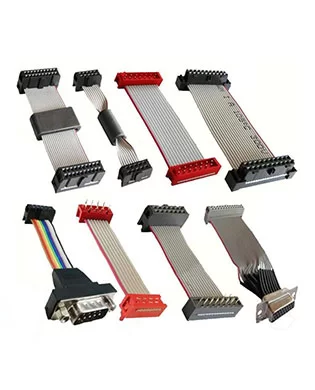
Gray ribbon cable (UL Style: 2651, 2678, 2468, 20080): A type of ribbon cable that are gray in color, with red edge to prevent reverse connection.
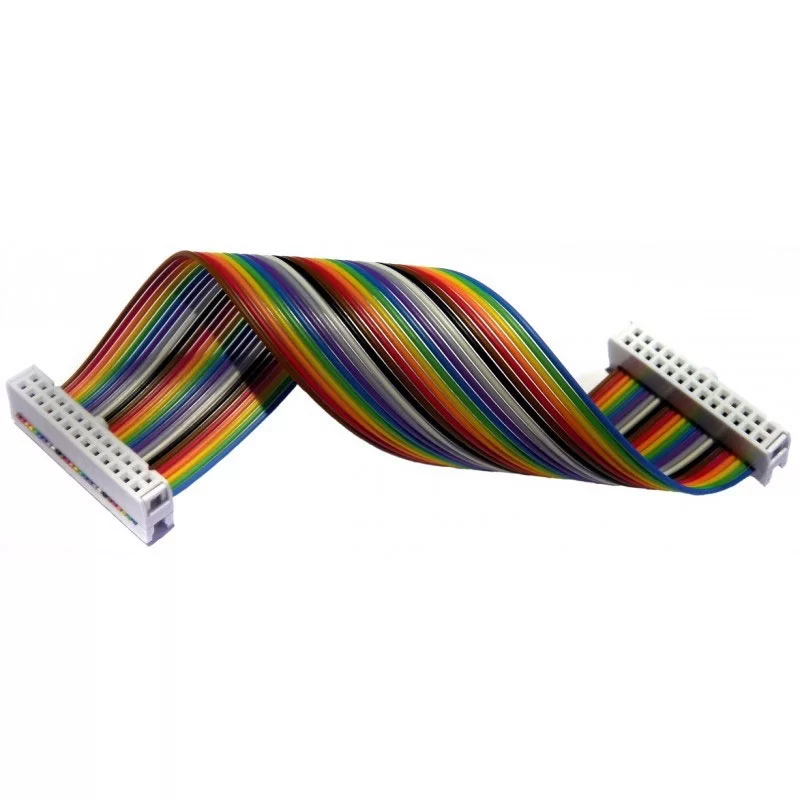
- Rainbow ribbon cable (UL Style: 2651): A type of ribbon cable with small wires in mutiple colors each. The colors are placed in order of brown, red, orange, yellow, green, blue, violet, gray, white, and black. After that, the colors repeat.
- Round to flat ribbon cable (UL Style: 20381, 20267): A type of ribbon cable with round jacket, shielded or non-shielded. Designed to combine the benefits of round and flat cables, providing flexibility, manageability, mass termination, and maintaining efficient data transmission capabilities.
- Low-voltage ribbon cable (UL Style: 20080): 30V ribbon cable. Internal wiring used in in audio, video and electronic equipment.
- Halogen-free ribbon cable (UL Style: 20080, 20089): Halogen-free ribbon cables are a specialized type of ribbon cable designed without halogen-containing materials in their construction. These cables offer a safer alternative by reducing the emission of toxic gases and smoke in the event of a fire.
Ribbon Cable Connector Types
A ribbon cable connector links ribbon cables to electronic devices and circuit boards. Using insulation displacement connectors (IDC), it creates secure connections by pressing the cable onto sharp blades within the connector.
IDC socket: IDC [An insulation-displacement contact, also known as insulation-piercing contact (IPC)] socket is a type of female connector that connects with flat ribbon cable, and then usually mates with a PCB header for wire to board connection.
- IDC transition headers: IDC transition header is a type IDC connector with pins that straightly soldered onto printed circuit board, to achieve a wire on board connection.
- D-Subminiature Connectors: Also known as D-sub connectors. It is a type of electrical connector with a D-shaped metal shield. D-sub connectors can be catagoried into male, female in gender; and wire connector, board connector in installation.
- Crimp style connectors: The contacts and housing of a crimp style connector are separate before connecting with wires. The contacts crimp wires and then the crimped wires are inserted into connector housing.
If you have any camping barbeque equipment inquiry, please feel free to contact us.
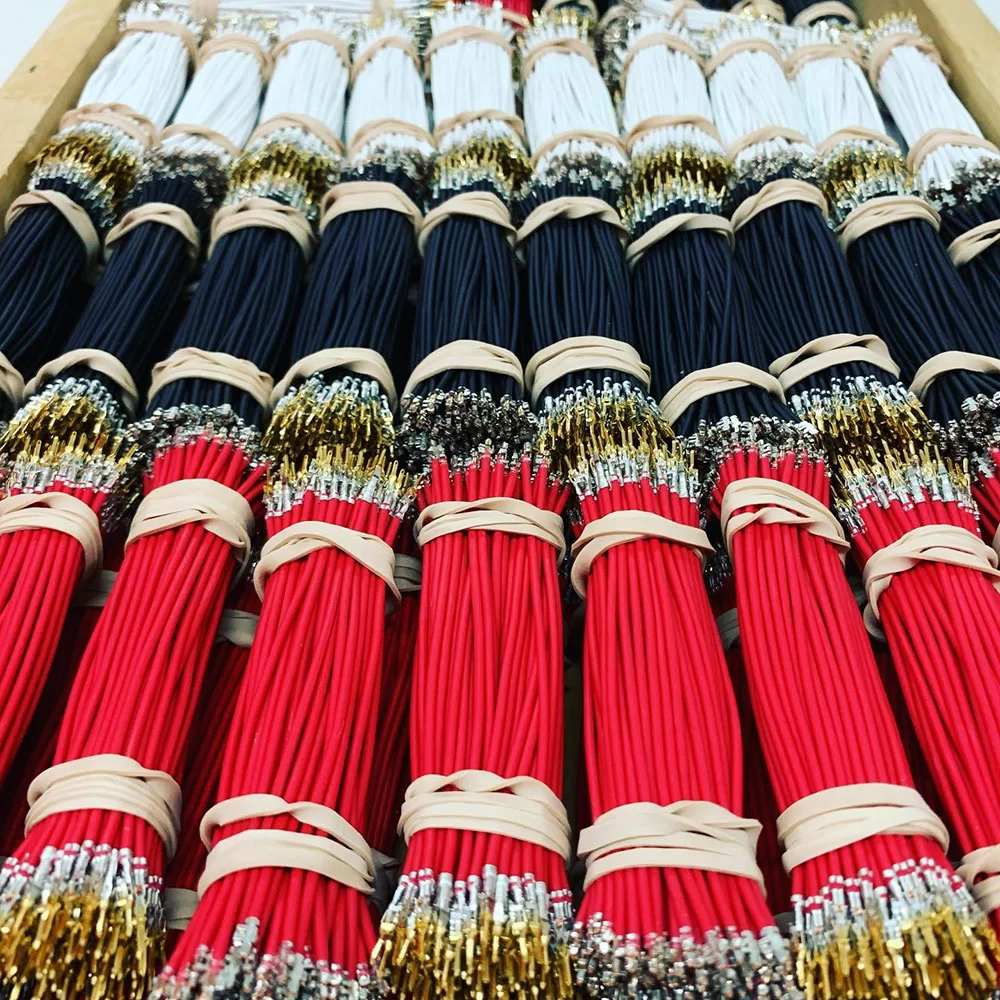
Managing kitting and packaging in-house can be time-consuming, costly, and error-prone.
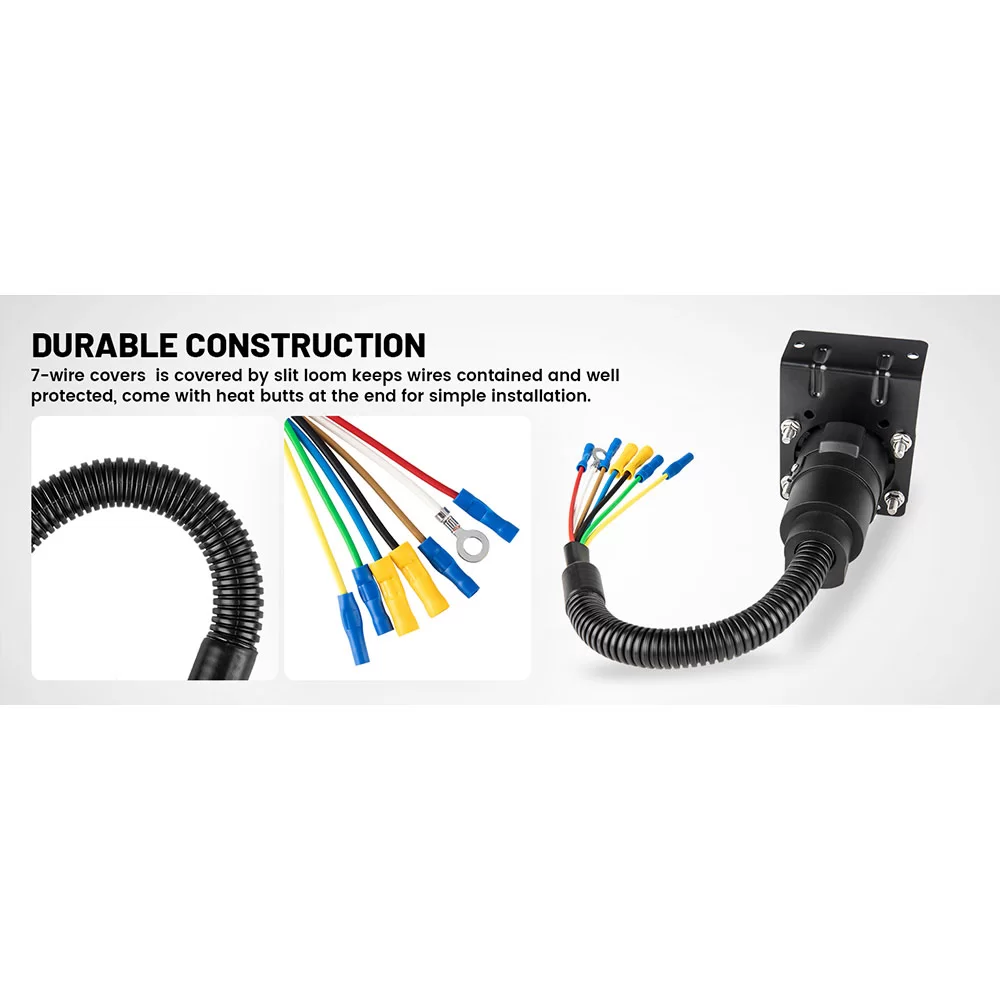
Maybe an off-the-shelf cable can't meet your needs.
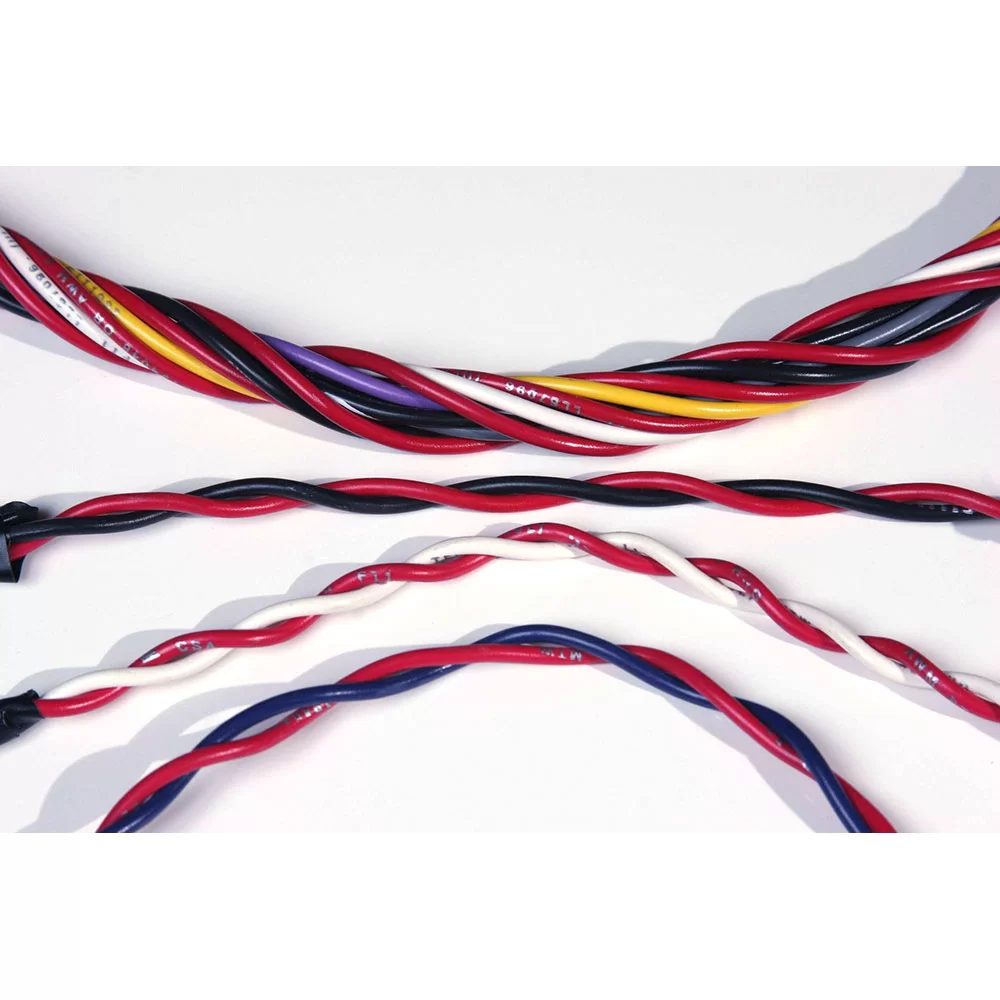
Twisting entwines multiple wires and arranges them tightly next to each other. Depending on the AWG size, we can group up to fifty conductors.
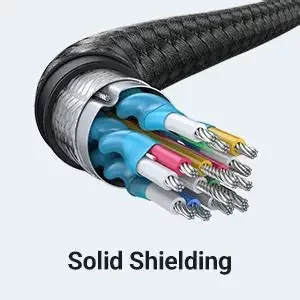
Shielding refers to the metallic layer surrounding a cable’s conductor, created to limit signal interference between the wire and external fields.
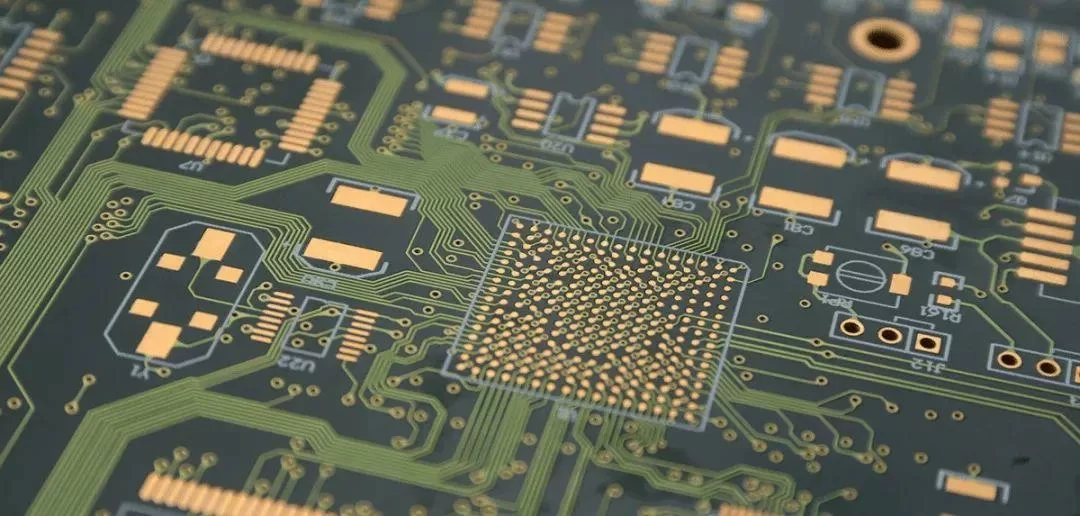
PCB manufacturing is the process of building a physical PCB from a PCB design according to a certain set of specifications.
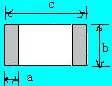
The following design standards refer to the IPC-SM-782A standard and the design of some famous Japanese design manufacturers and some better design solutions accumulated in the manufacturing experience.
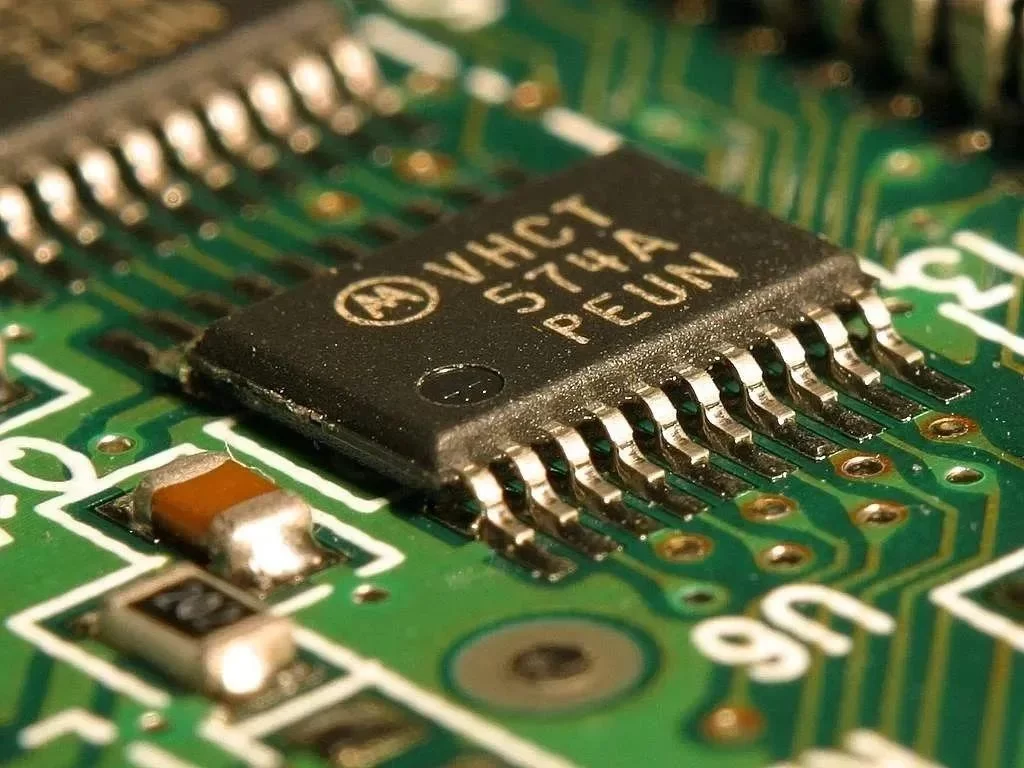
Via holes, also known as through holes, play a role in connecting different parts of a circuit board.


