
Medical Electronics PCBA
High-performance standards for medical electronic PCBA
Due to the specific nature of their industry applications, medical electronic PCBAs require extremely high performance standards. These standards are primarily reflected in the following aspects:
① High Reliability and Durability: Medical devices such as pacemakers, diagnostic imaging systems, and blood glucose monitors rely on PCBAs capable of long-term accurate operation under various conditions. Therefore, PCBAs must possess high reliability and durability to ensure the stability and accuracy of the devices during extended use.
② Precision Manufacturing Technology: The assembly process of medical electronic PCBAs typically involves using cutting-edge technologies to precisely place and solder micro-components. This precision manufacturing technology requires not only a high level of process expertise but also advanced equipment and stringent quality control.
③ Complex Multilayer PCB Design: To meet the diverse functionalities and miniaturization requirements of medical devices, medical electronic PCBAs typically employ multilayer PCB designs. This design not only improves the space utilization of the circuit board but also enhances the circuit's anti-interference capabilities and stability.
④ Small-Batch, High-Density Assembly: While the production of medical PCBAs may not always involve mass production, it requires a high-density component layout to maximize space and functionality. This necessitates manufacturers with flexible production capabilities and efficient management systems.
Features of Medical Electronic PCBA
1. High Reliability and Durability: Medical PCBAs need to operate in extremely harsh environments, such as under varying temperatures and humidity levels both inside and outside the body. Therefore, they must possess extremely high stability and reliability to ensure proper functioning under diverse conditions. This high requirement necessitates the use of high-quality materials and advanced manufacturing processes in the production of medical PCBAs, such as surface mount technology (SMT), through-hole soldering, and micro-component assembly, to ensure precise placement and soldering of each component.
2. Precision Manufacturing Technology: The manufacturing technology for medical PCBAs is extremely precise, encompassing every step from circuit design and component procurement to SMT and DIP (Dual In-line Package) surface mount soldering. Each step requires rigorous process control and quality inspection to ensure product accuracy and reliability. Furthermore, to meet the diverse functionalities and miniaturization needs of medical devices, medical PCBAs typically employ multilayer PCB designs. This design not only increases the integration of the circuit board but also makes the board more compact, facilitating device miniaturization.
3. Strict Quality Control: Quality control for medical PCBAs is extremely stringent because any manufacturing defect could endanger patient safety. Therefore, medical PCBA manufacturing plants need to obtain ISO 13485 medical device quality management system certification to ensure that every step of the production process meets industry standards. In addition, a professional quality inspection department is responsible for incoming material inspection to ensure component quality, thereby avoiding a series of quality failures.
4. Low-volume, high-density assembly
With technological advancements, medical devices are becoming increasingly lightweight and portable, requiring PCBA manufacturing to achieve high-density assembly to reduce circuit board size. Medical PCBAs utilize high-density assembly technology, allowing the spacing between components to be reduced to the millimeter or even micrometer level, thus achieving miniaturization and integration of the circuit board.
5. Complex multi-layer PCB design
Medical PCBAs typically employ multi-layer PCB designs. This design not only improves the integration of the circuit board but also makes it more compact, facilitating device miniaturization. Multi-layer PCB designs can meet the diverse functional and miniaturized needs of medical devices, providing them with more powerful functions and more flexible application scenarios.
6. Keeping up with technological developments
The rapid advancement of medical technology requires PCBA manufacturing to keep pace with the latest manufacturing technologies. For example, the adoption of new technologies such as 3D printing or flexible circuit boards can further improve the performance and reliability of PCBAs. The application of these new technologies enables medical PCBAs to maintain high precision and reliability while achieving more flexible design and production.
7. Wide Range of Applications Medical PCBAs are widely used in various medical devices, including diagnostic equipment (such as X-ray equipment, MRI, ultrasound detection, etc.), therapeutic equipment (such as radiotherapy equipment, electrical stimulation devices), patient monitoring equipment (such as ECG monitors, blood oxygen saturation monitors), and personal health management devices (such as blood glucose meters, blood pressure monitors, and other wearable devices). These devices all rely on the support of medical PCBAs, and together they provide a powerful impetus for the development of the healthcare field.
Application areas of medical electronic PCBA
1. Diagnostic Equipment: Medical PCBAs play a crucial role in diagnostic equipment such as X-ray machines, MRI machines, and ultrasound scanners. The PCBAs in these devices process images and data, ensuring the accuracy and efficiency of diagnosis.
- 2. Therapeutic Equipment: Medical PCBAs are equally indispensable in therapeutic equipment. For example, radiotherapy equipment and electrical stimulation devices require precise PCBA support to ensure the accuracy and safety of treatment.
- 3. Patient Monitoring: In patient monitoring, medical PCBAs are widely used in devices such as electrocardiogram (ECG) monitors and blood oxygen saturation monitors. These devices collect and analyze physiological data through PCBAs, providing healthcare professionals with real-time patient monitoring information.
- 4. Personal Health Management: With the rise of wearable devices, the application of medical PCBAs in personal health management is becoming increasingly widespread. For example, PCBAs in wearable devices such as blood glucose meters and blood pressure monitors collect and process physiological data, providing users with convenient health management services.
- 5. Medical Robots: Medical robots play a vital role in surgery, rehabilitation, and medication management, and precise PCBA support is key to the proper functioning of these robots. PCBAs (Patent Computerized System Automated Guided Vehicles) automate and intelligentize medical processes by processing data from sensors and controlling robot movements.
- 6. Drug Delivery Systems: Drug delivery systems require precise electronic control to ensure correct dosage and timing. Medical PCBAs integrate sensors and control chips to achieve precise control and management of drug delivery systems.
Future development trends
1. Intelligentization and Automation:** With the development of intelligent manufacturing technologies, medical PCBA assembly processing will become more intelligent and automated, improving production efficiency and quality control.
- 2. Environmental Protection and Sustainability:** Environmentally friendly materials and green manufacturing processes will be important trends in future medical PCBA processing.
- 3. Personalization and Customization:** As the demand for personalized medical equipment increases, PCBA processing will place greater emphasis on flexibility and customized services.
- 4. Continuous Improvement of Regulations and Standards:** With the continuous advancement of medical technology and increasingly stringent regulations, medical PCBA processing will need to constantly adapt to new regulations and standards.
Differences between medical electronic PCBAs and other PCBAs
1. Different Design Philosophies: Medical PCBAs are designed with the specific needs of medical devices in mind, such as high reliability, high stability, and low power consumption. Other general-purpose PCBAs may focus more on cost, performance, and versatility.
- 2. Different Manufacturing Processes: To meet the high standards of medical devices, medical PCBAs typically employ more refined and complex manufacturing processes. For example, they may require high-precision soldering techniques and specialized surface treatments. Other general-purpose PCBAs may use more conventional manufacturing processes.
- 3. Different Testing and Certification: Medical PCBAs undergo rigorous testing and certification procedures before leaving the factory to ensure compliance with relevant regulations and standards. These tests and certifications may include electrical performance testing, environmental adaptability testing, and biocompatibility testing. Other general-purpose PCBAs may only require routine electrical performance and functional testing.
- 4. Different After-Sales Service: Due to the special nature of medical devices, after-sales service for medical PCBAs differs from that of other general-purpose PCBAs. Medical device manufacturers typically provide long-term technical support and maintenance services to ensure the proper functioning of the equipment and patient safety. Therefore, after-sales service for medical PCBAs also needs to be more professional and thorough.
What are the main types of medical electronic PCBAs?
1. Basic Medical PCBA: These PCBAs are mainly used in basic medical devices such as thermometers and blood pressure monitors. They have relatively simple structures and a limited number of components, but require high stability and reliability.
- 2. Professional Medical PCBA: Professional medical devices, such as electrocardiographs and hemodialysis machines, require more complex PCBAs. These PCBAs typically have higher integration and need to handle more data and power.
- 3. Highly Integrated Medical PCBA: Highly integrated PCBAs can be seen in high-end medical devices such as MRI and CT scanners. These devices need to process large amounts of data, therefore their PCBA designs are more complex, and the requirements for component quality and performance are also higher.
- 4. Wearable Medical Device PCBA: With the rise of wearable medical devices, such as health bracelets and smart pillboxes, the demand for miniaturized, low-power PCBAs is increasing. These PCBAs need to be highly integrated, low-power, and stable.
- 5. Portable Medical Device PCBA: Portable devices such as portable ultrasound machines and portable electrocardiographs require lightweight yet powerful PCBA support. There are certain requirements for battery management, heat dissipation, and shock resistance.
If you have any camping barbeque equipment inquiry, please feel free to contact us.

Managing kitting and packaging in-house can be time-consuming, costly, and error-prone.
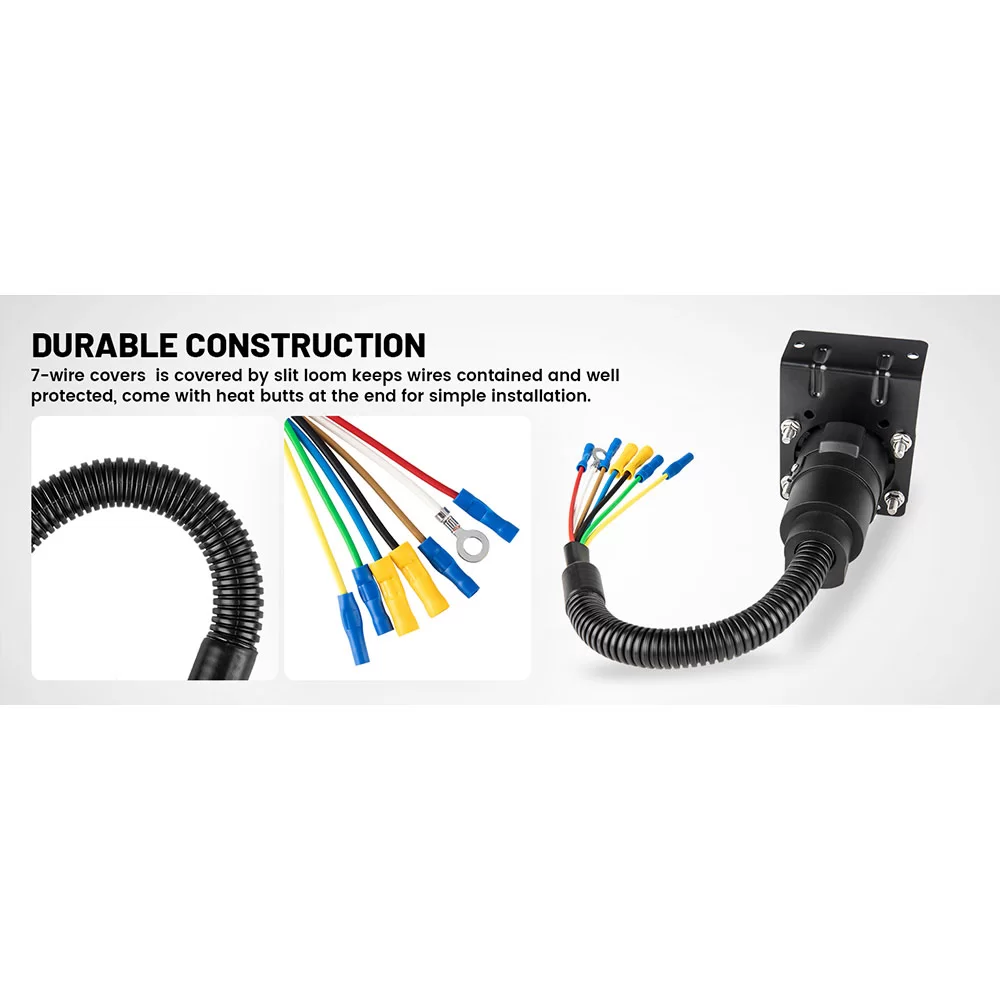
Maybe an off-the-shelf cable can't meet your needs.
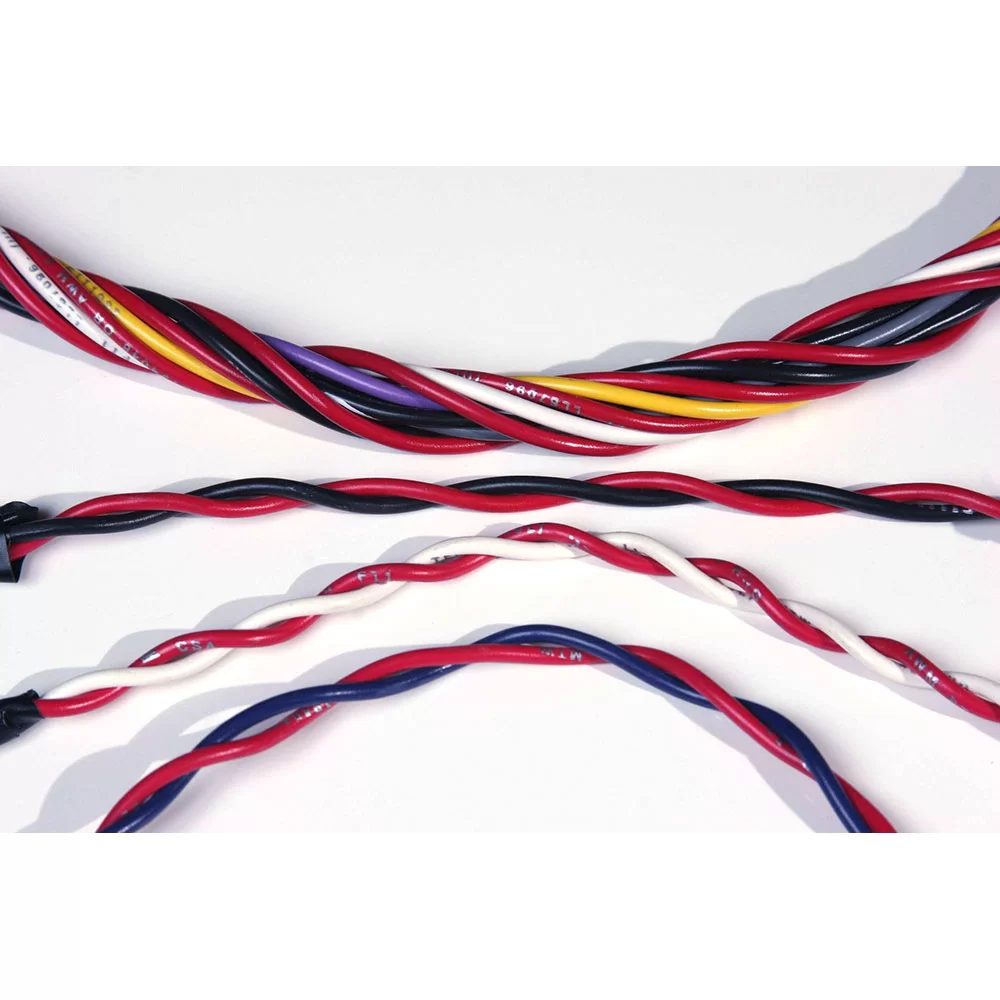
Twisting entwines multiple wires and arranges them tightly next to each other. Depending on the AWG size, we can group up to fifty conductors.

Shielding refers to the metallic layer surrounding a cable’s conductor, created to limit signal interference between the wire and external fields.
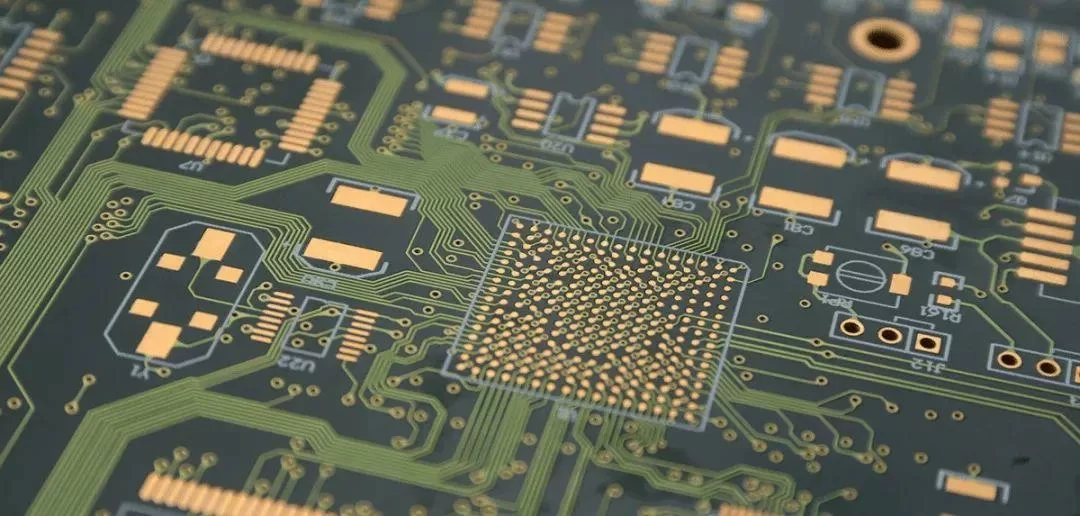
PCB manufacturing is the process of building a physical PCB from a PCB design according to a certain set of specifications.
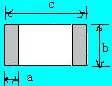
The following design standards refer to the IPC-SM-782A standard and the design of some famous Japanese design manufacturers and some better design solutions accumulated in the manufacturing experience.
Via holes, also known as through holes, play a role in connecting different parts of a circuit board.


