
Robotics PCB Assembly
What Features should a Robotics PCBA have?
PCBA(printed circuit board assembly) can perform more powerful functions than bare PCB (printed circuit board) and support the operation of robots. PCBAs used in robot manufacturing typically have the following characteristics:
High Reliability
Robots must be able to withstand harsh environments, such as those involving vibration, shock, temperature and humidity changes, dust, and electromagnetic interference. This means that the PCBAs must be highly reliable and resistant.
Requirements: strict selection of materials (industrial & automotive grade components), high standard of manufacturing(IPC Class3), comprehensive reliability testing
High Density & Miniaturization
The design of robots is becoming increasingly sophisticated and miniaturised, particularly for drones and service robots, where space for circuit boards is limited and smaller PCBAs are required.
Requirements: Multi-layer PCBs(HDI technology), precise-pitch BGA/QFN package, rigid-flex boards
Signal Integrity & EMI/EMC
Robots are vulnerable to interference due to their complex signal design, which includes a variety of internal signal modules, sensors, etc.
Requirements: good PCB layout design for robotics, Strict EMC/EMI test certification, good grounding and shielding design, impedance control
Power Handling
Since the robots are driven by high-power motors, effective heat dissipation solutions are required to guarantee the performance.
Requirements: Heavy copper layer, large current circuits, efficient thermal management
Rugged Connectors & Interfaces
The robot’s interfaces must be inserted and unplugged frequently, while moving joint parts require robust interfaces. Thus, robotics PCBA necessitates the use of high-quality, durable connectors as well as a vibration-proof and anti-loosening design.
Key Components Used in Robotics PCBA
Microcontrollers
Microcontrollers are the “brain” of the robot, responsible for processing inputs and managing its overall operations. The major function of microcontrollers is to manage the entire functions of a robot, in addition to processing any data input.
Motor Drivers
Motor drivers take up significant space in robotic systems, as in embedded controllers, which control the direction and speed of motors.
Power Supply Unit
They supply power directly to PCBs and other components.
Sensors and Actuators
The sensors’ role is to gather vital information needed from the robot’s gyroscopes, cameras, or accelerometers.
The actuators are to transfer electrical energy into mechanical movements, but under the facilitation of commands coming from microcontrollers.
Communication Modules
Through some blocks, the robot will be able to easily connect with other instruments in the robot via networks or software such as Ethernet modules, WiFi, or Bluetooth.
Supporting Circuitry
Supporting circuitry, such as resistors and diodes, helps stabilize voltages and protects integrated circuits and modules.
Trends of Robotics PCB Assembly
Robotics PCBA will see more changes and developments in the future:
Through the direct integration of edge computing capabilities into the PCBA, AI chips enable robotic PCBA design upgrades.
A higher degree of modularity and integration: Use SoM (System on Module) applications to simplify design.
Wireless and flexibility: More wireless connectivity and flexible circuits in special areas, such as joints.
Sustainable manufacturing: Increased demand for environmentally friendly materials and processes, as well as recycling.
If you have any camping barbeque equipment inquiry, please feel free to contact us.
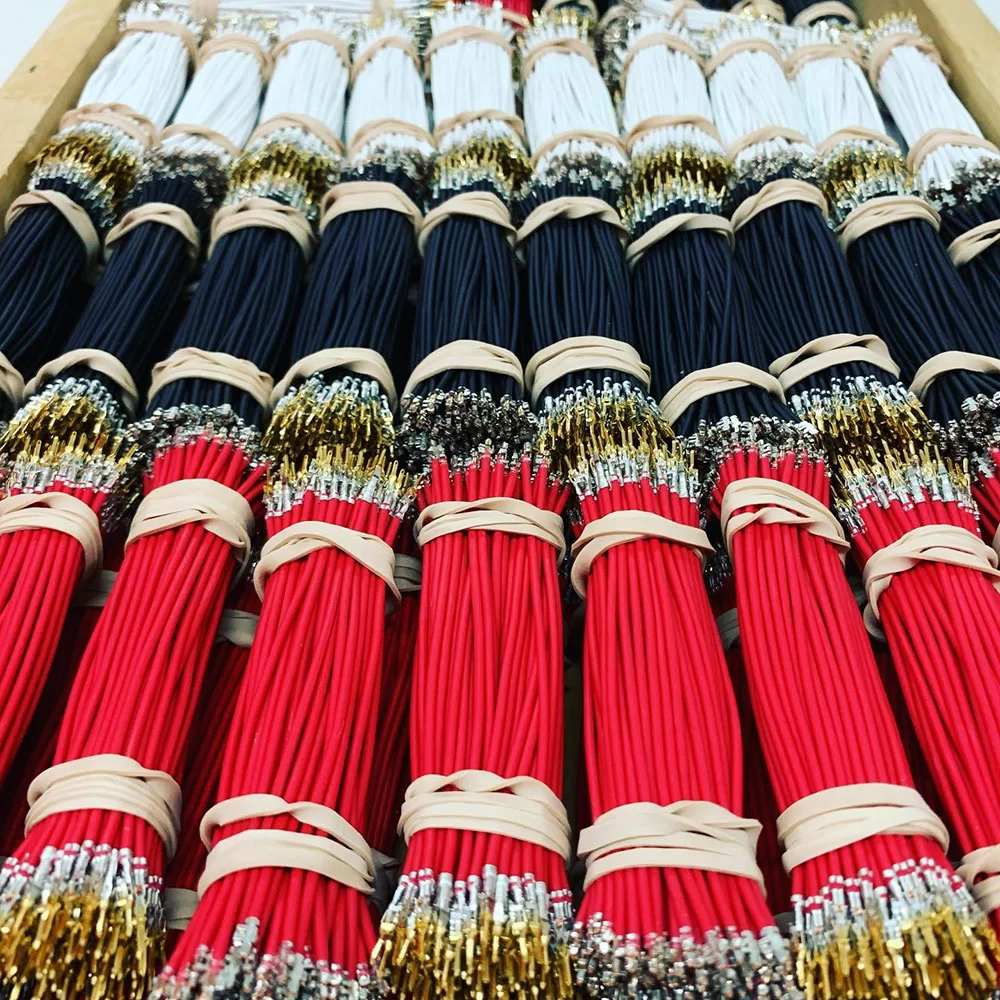
Managing kitting and packaging in-house can be time-consuming, costly, and error-prone.
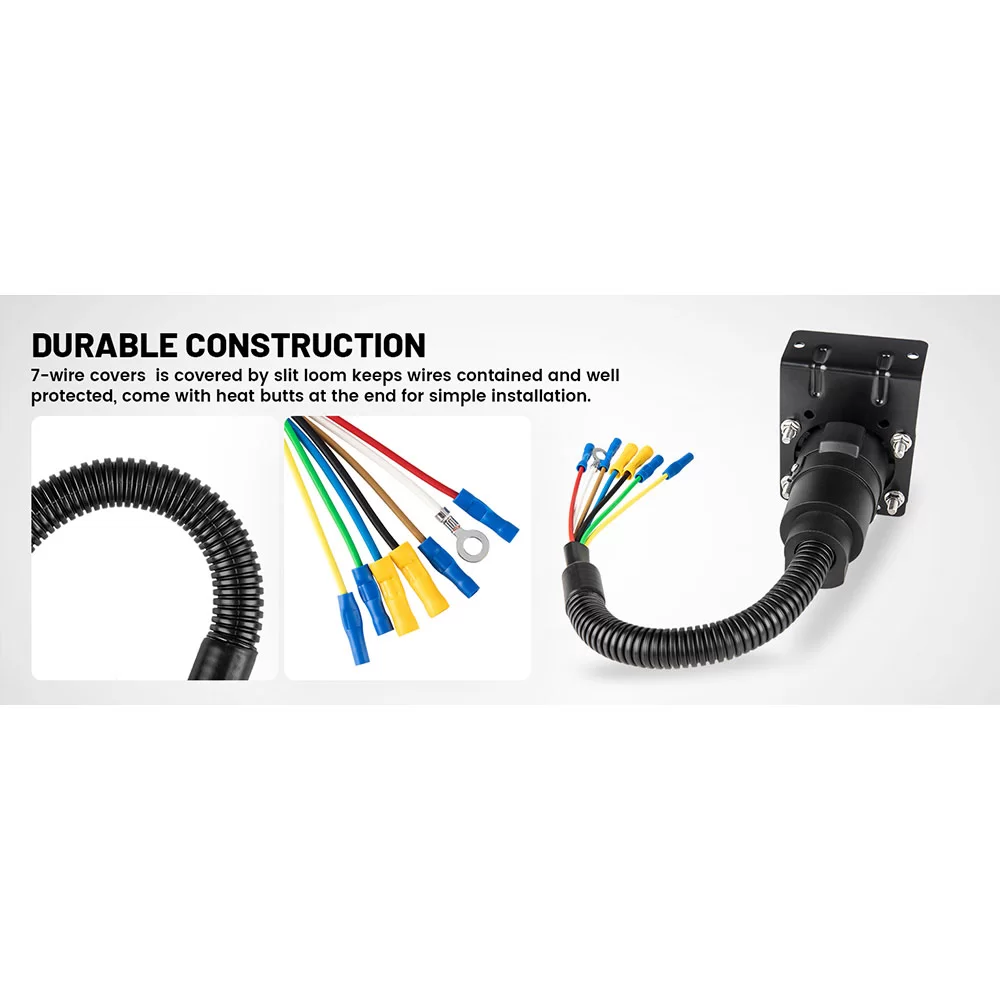
Maybe an off-the-shelf cable can't meet your needs.
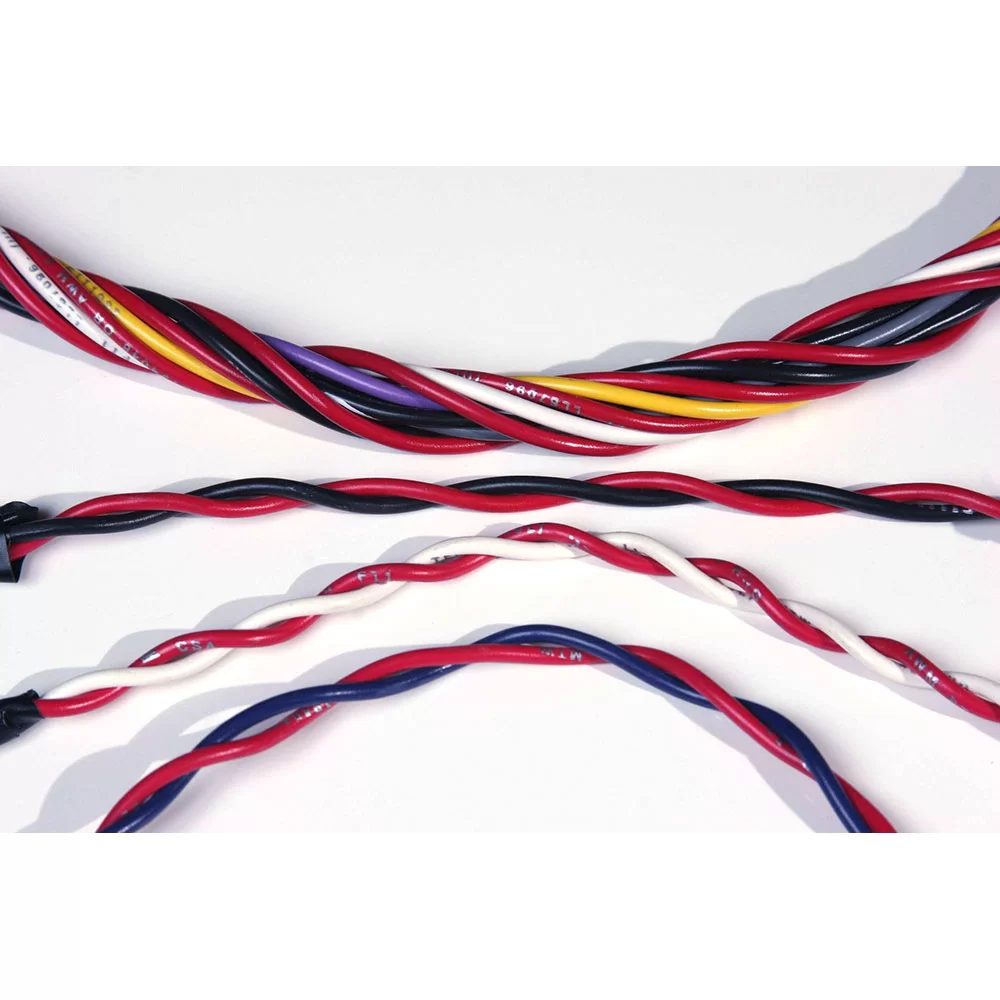
Twisting entwines multiple wires and arranges them tightly next to each other. Depending on the AWG size, we can group up to fifty conductors.
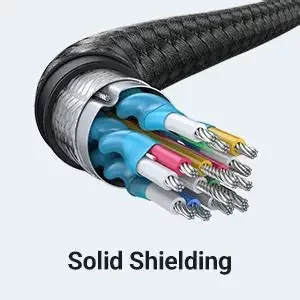
Shielding refers to the metallic layer surrounding a cable’s conductor, created to limit signal interference between the wire and external fields.
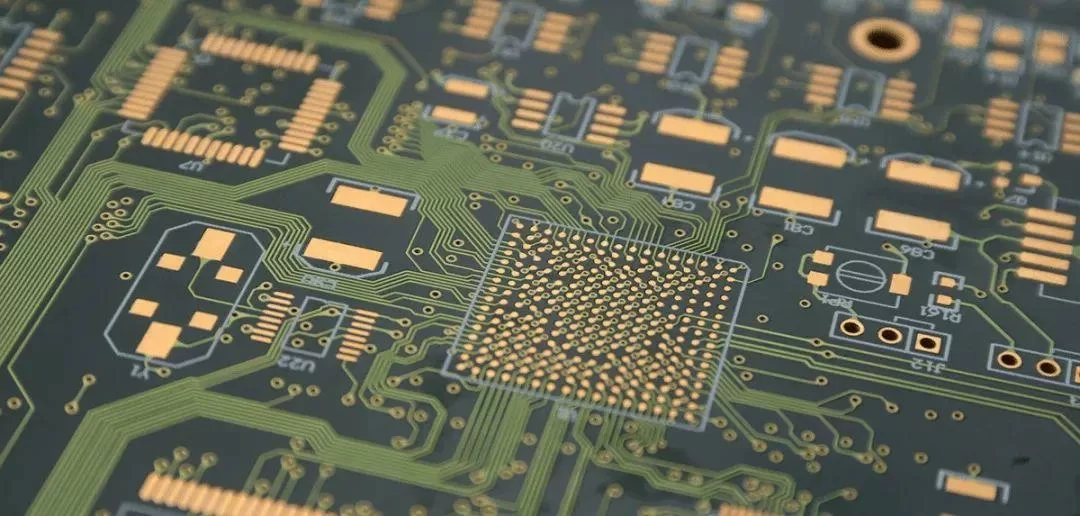
PCB manufacturing is the process of building a physical PCB from a PCB design according to a certain set of specifications.
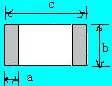
The following design standards refer to the IPC-SM-782A standard and the design of some famous Japanese design manufacturers and some better design solutions accumulated in the manufacturing experience.
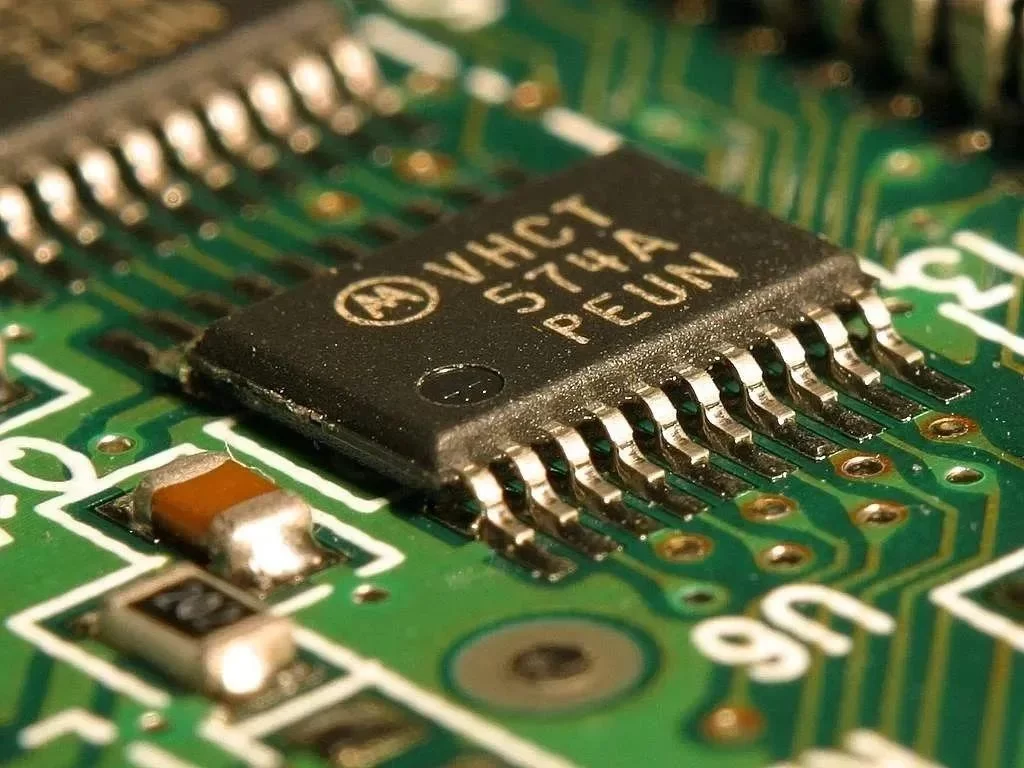
Via holes, also known as through holes, play a role in connecting different parts of a circuit board.


