
OEM Cable Harness
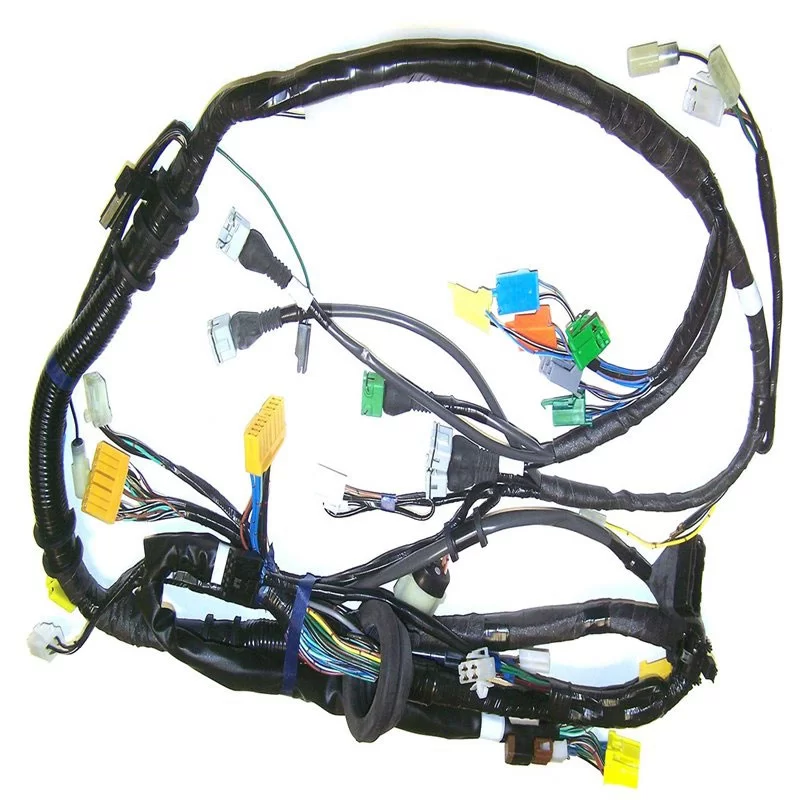
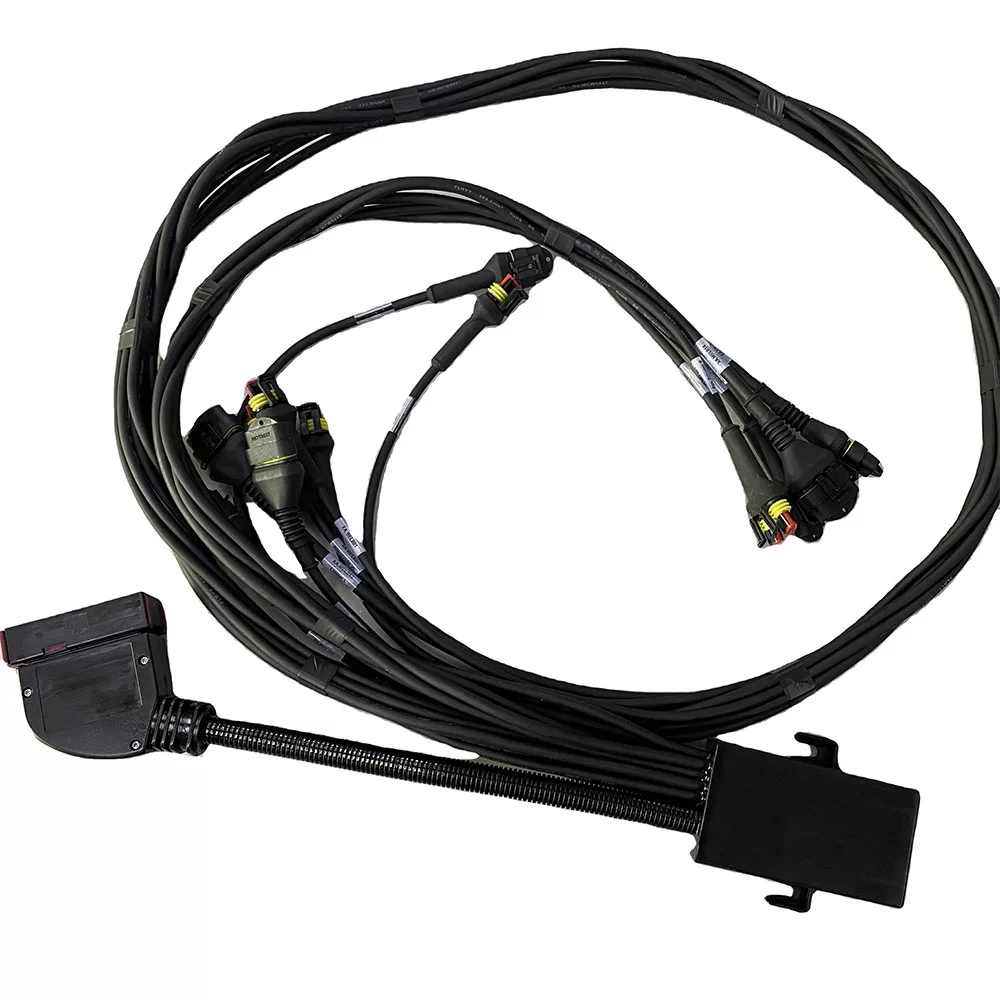
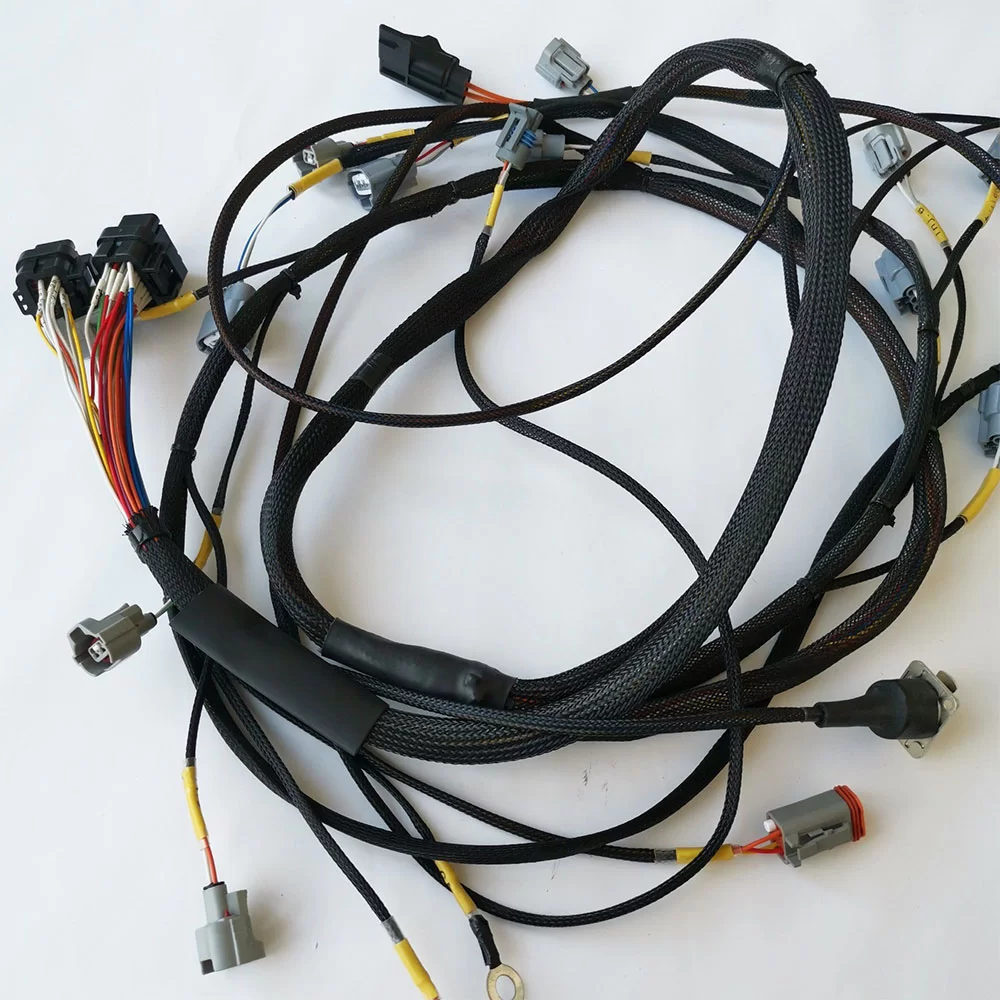
About the OEM Cable
OEM cables play a crucial role in connectivity solutions across various industries. They serve as the vital link between devices, facilitating the transmission of power, data, and audio/video signals. These cables are engineered to provide reliable and efficient connectivity between OEM equipment and other components. With their precise connectors and high-quality materials, OEM cable ensure seamless integration, enabling smooth communication and operation between devices.
These cables are specifically designed to meet the unique requirements and specifications of the OEM equipment they are intended for. By using OEM cable, compatibility issues are minimized, and the risk of signal loss, interference, or malfunction is significantly reduced. OEM cables are built with high-quality materials and undergo rigorous testing, ensuring reliability and consistent performance.
Features of OEM Cables
High-quality materials and construction: OEM cables are built using high-quality materials such as robust conductors, shielding, and insulation. This ensures durability, resistance to wear and tear, and protection against environmental factors such as moisture, heat, and electromagnetic interference.
Precision-engineered connectors: OEM cable feature connectors that are precisely designed and manufactured to fit seamlessly with the corresponding OEM equipment. These connectors provide secure and reliable connections, minimizing the risk of signal loss or disruption.
Compliance with industry standards and certifications: OEM cable adhere to industry standards and certifications, ensuring they meet stringent quality and performance requirements. Compliance with these standards guarantees reliable and safe operation, as well as compatibility with a wide range of equipment and systems.
Shielding and insulation properties: OEM cable often incorporate shielding techniques, such as foil or braided shielding, to protect against electromagnetic interference (EMI) and ensure optimal signal integrity. Additionally, they feature insulation materials that provide electrical insulation and prevent signal leakage or crosstalk.
Customizability to meet specific requirements: OEM cable can be customized to meet specific application needs. This includes options for different cable lengths, connector types, and configurations, allowing for seamless integration into various systems and environments.
Applications
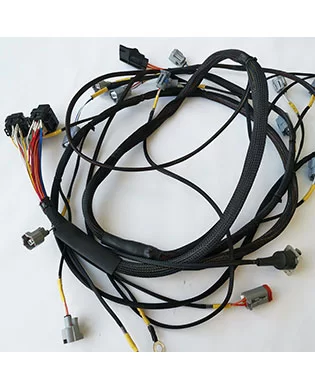
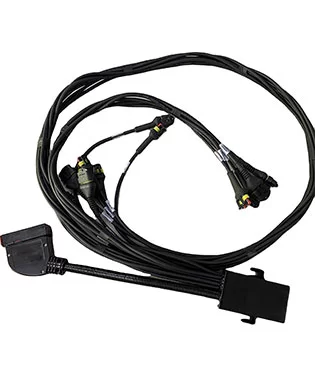
Automotive Industry: OEM cables are extensively used in the automotive industry for various applications. They are employed in wiring harnesses, power transmission systems, and communication networks within vehicles. OEM cables ensure reliable connectivity for automotive electronics, such as sensors, control modules, infotainment systems, and communication systems.
Telecommunications Sector: In the telecommunications sector, OEM cables play a crucial role in establishing and maintaining robust network infrastructure. They are used for fiber optic connectivity, Ethernet cables, and coaxial cables. OEM cables enable high-speed data transmission, reliable voice communication, and seamless internet connectivity in telecommunication networks.
Aerospace and Aviation: The aerospace and aviation industries rely on OEM cables for critical applications such as avionics systems, communication systems, radar systems, and navigation equipment. OEM cables ensure secure and reliable data transmission, power distribution, and signal integrity in aircraft, satellites, and space vehicles.
Medical Equipment: OEM cables find extensive usage in medical equipment, including diagnostic devices, patient monitoring systems, imaging systems, and surgical equipment. These cables enable the transmission of accurate and real-time data, ensuring the seamless operation of medical devices and enhancing patient care and safety.
Industrial Automation: In industrial automation, OEM cables are employed in control panels, robotics, motor drives, and various other automation systems. They facilitate reliable communication and power transmission between different components, ensuring smooth and efficient operation of automated processes.
Consumer Electronics: OEM cables are widely used in consumer electronics such as smartphones, tablets, laptops, and gaming consoles. These cables enable charging, data transfer, audio/video connectivity, and other essential functions, ensuring seamless connectivity and compatibility with the original equipment.
Energy and Power Systems: OEM cables are crucial in energy and power systems, including renewable energy installations, power generation plants, and distribution networks. They are used for power transmission, grounding, and interconnections, ensuring efficient and reliable energy distribution.
If you have any camping barbeque equipment inquiry, please feel free to contact us.
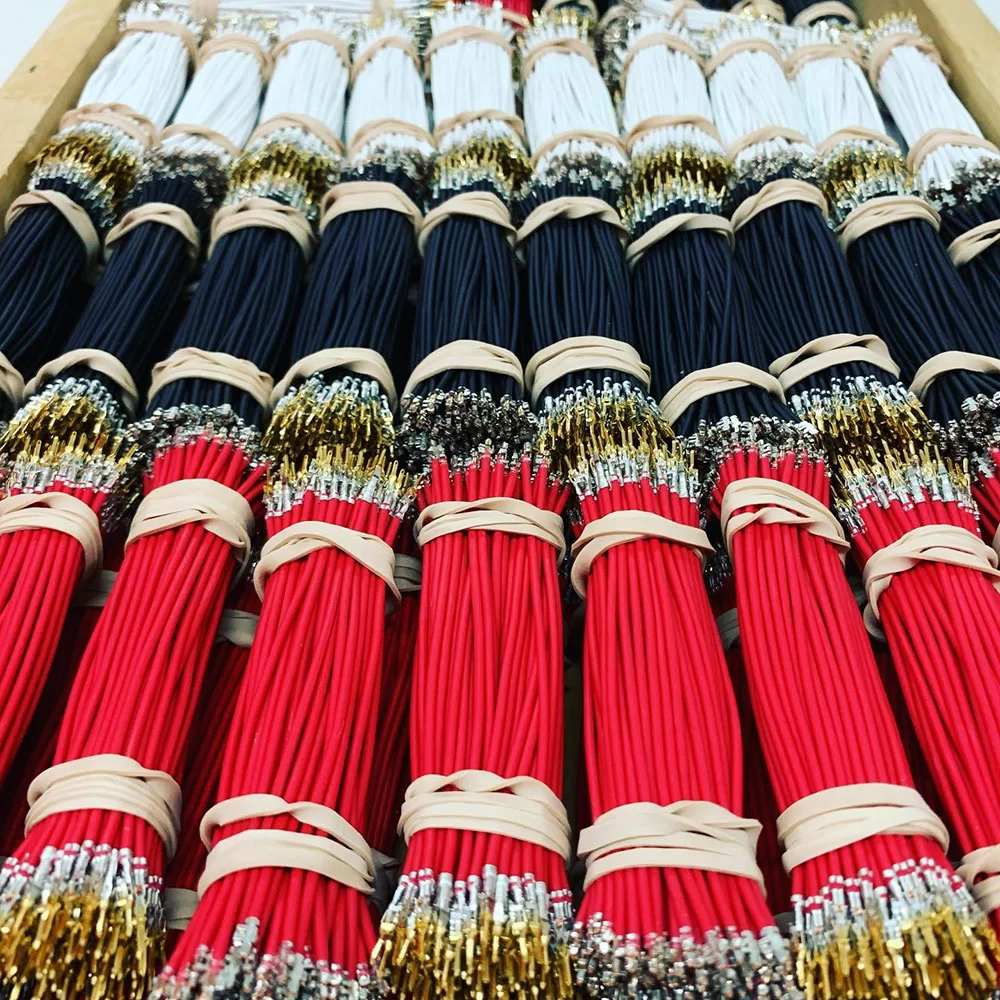
Managing kitting and packaging in-house can be time-consuming, costly, and error-prone.
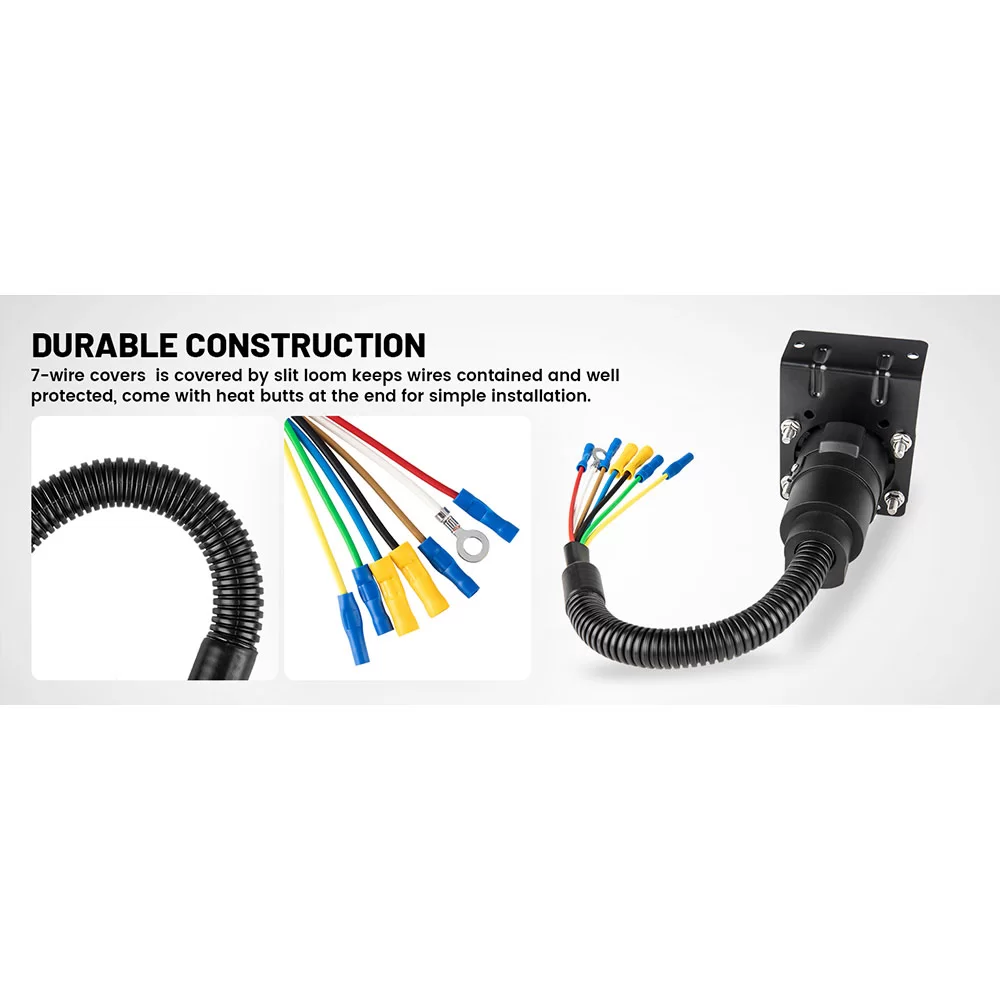
Maybe an off-the-shelf cable can't meet your needs.
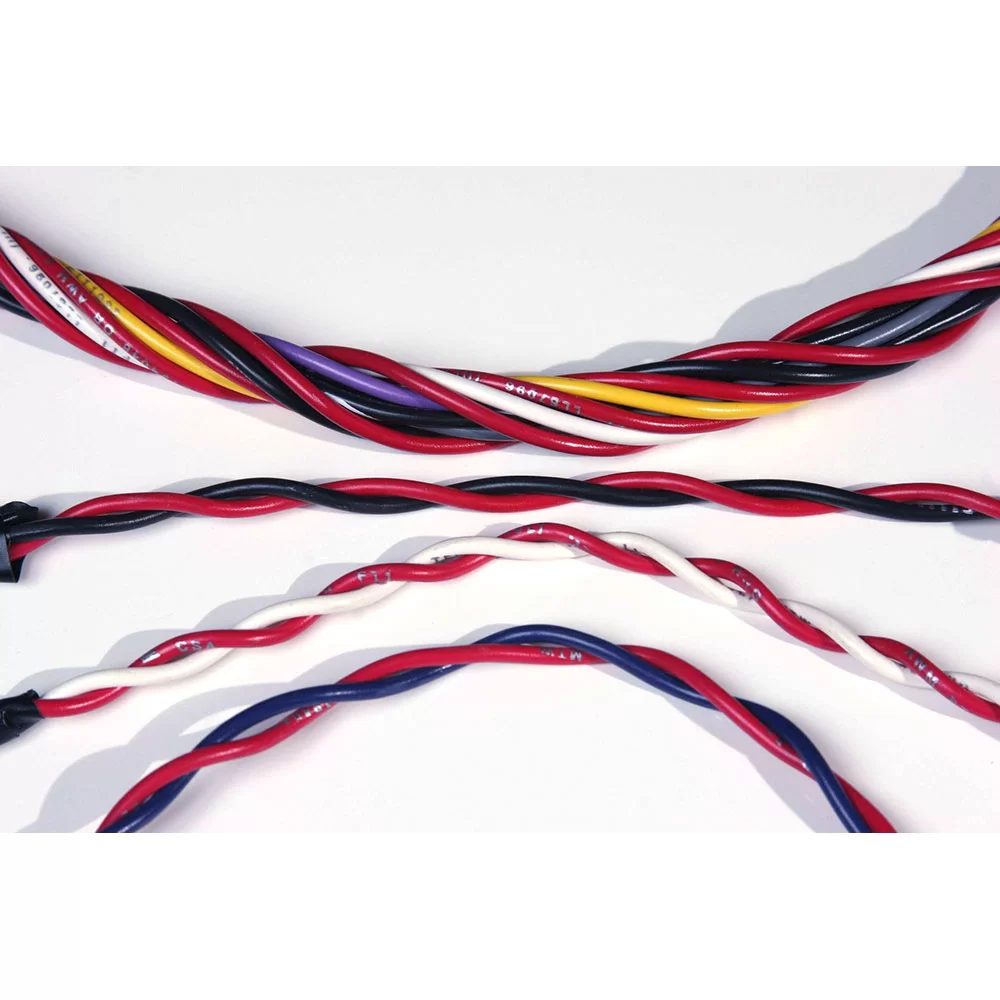
Twisting entwines multiple wires and arranges them tightly next to each other. Depending on the AWG size, we can group up to fifty conductors.
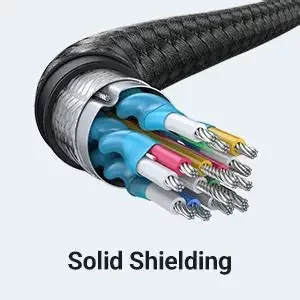
Shielding refers to the metallic layer surrounding a cable’s conductor, created to limit signal interference between the wire and external fields.
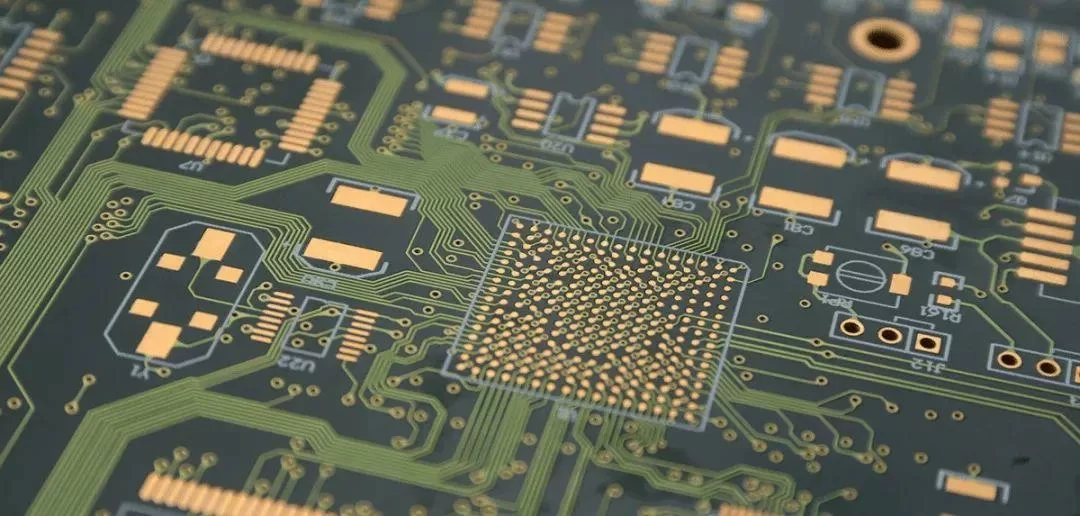
PCB manufacturing is the process of building a physical PCB from a PCB design according to a certain set of specifications.
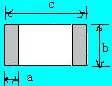
The following design standards refer to the IPC-SM-782A standard and the design of some famous Japanese design manufacturers and some better design solutions accumulated in the manufacturing experience.
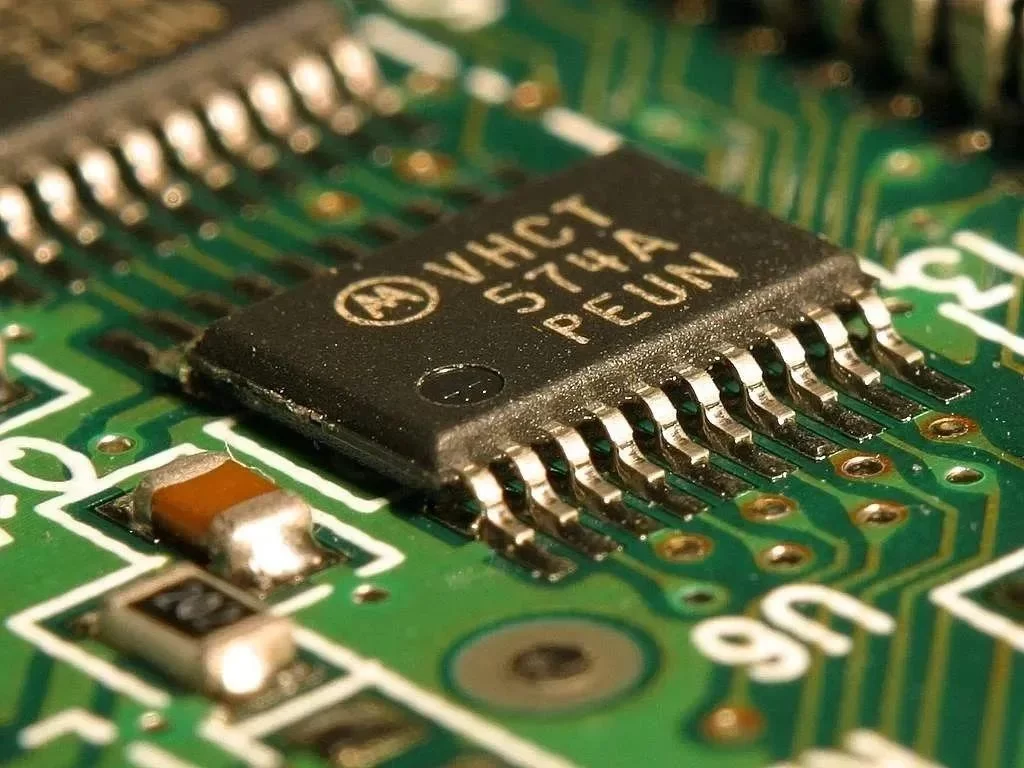
Via holes, also known as through holes, play a role in connecting different parts of a circuit board.


