FAQ
Quick Question
Engineering Process Q&A
How Can You Guarantee Quality While Your Price Is So Low?
--- Location: Our marketing office located in Shenzhen, but PCB and mass production factory moved to JiangXi province (near by SZ)
which has lower cost of electricity, water and labor.
And factory are self-built, no house rent.
--- Export Rebates: Our company is value-added tax general taxpayer, so we can handle export rebates due to national policy support.
which has lower cost of electricity, water and labor.
And factory are self-built, no house rent.
--- Export Rebates: Our company is value-added tax general taxpayer, so we can handle export rebates due to national policy support.
Why Choose Your Company While Sz Has So Many Supplier?
--- Experience: 28 years PCB manufacturing experience & over 20 years experience run a factory of SMT & DIP Assembly.
managers & hundreds of long term cooperation customer.
managers & hundreds of long term cooperation customer.
How Do We Know Your Quality? Do You Offer Free Sample?
--- Yes we can offer sample, but you have to pay first, once you do mass production from us, the sample fee will pay back to your account!
I believe we can do long term business!
I believe we can do long term business!
Can You Manufacture My PCBs From A Picture File?
---No, we cannot accept BMP, GIF, TIFF, or JPG pictures as the manufacturing file as these formats are not good for PCB manufacturing.
But you can use these files to request a quotation. If you do not have gerber file, you can send us sample to copy it.
But you can use these files to request a quotation. If you do not have gerber file, you can send us sample to copy it.
Do You Have PCB In Stock?
--- No. Our pcb board are custom-made product, all produced depends on clients gerber file.
What Board Manufacturer Do You Use For FR4?
--- Our main suppliers for FR4 board: Kingboard (Hong Kong), NanYa (Taiwan) and Shengyi (China). We also provide the materials like Isola, Rogers, Nelco, Teflon, Arlon, FR0, FR1, CEM-1, CEM-3, 22F, AL base, Cu base, polyimide, PET, etc.
Can You Manufacture My Pcbs From A Picture File?
---No, we cannot accept BMP, GIF, TIFF, or JPG pictures as the manufacturing file as these formats are not good for PCB manufacturing.
But you can use these files to request a quotation. If you do not have gerber file, you can send us sample to copy it.
But you can use these files to request a quotation. If you do not have gerber file, you can send us sample to copy it.
What Do You Require In Order To Produce An Assembly Quotation?
--- Bill of materials (BOM) detailing the components to be fitted to the PCB with the manufacturers parts numbers and the components suppliers' parts number (e.g. Digi-key, Mouser, RS ).
PCBA sample photos if possible. By allowing us to see the product pictures it will help us to give you the quotation faster.
In addition to the above, we would need details of approximate order quantity.
PCBA sample photos if possible. By allowing us to see the product pictures it will help us to give you the quotation faster.
In addition to the above, we would need details of approximate order quantity.
Will My Pcb Files Be Checked?
---Yes. Your data will be checked with our design rule check. If we find any technical issues or have any enquires we will contact you.
This is quite common for prototype orders. Please keep an eye on your email in the first 12 hours after placing your order.
This is quite common for prototype orders. Please keep an eye on your email in the first 12 hours after placing your order.
Can I Order A PCB With A Non-Rectangular Shape?
---Yes, you can, we accept any PCB shape. Note that a rectangular outline (the minimum rectangular shape which can cover the entire PCB) will be used to calculate the board size.
The shape should be clearly indicated in at least one of your copper layers. Otherwise you must supply a mechanical plan, separate from the Gerber file, indicating the shape of the PCB.
This file has to have a reference to the copper layers, or has to have the same offset as the other layers.
The shape should be clearly indicated in at least one of your copper layers. Otherwise you must supply a mechanical plan, separate from the Gerber file, indicating the shape of the PCB.
This file has to have a reference to the copper layers, or has to have the same offset as the other layers.
Does HUB CircuitS Company bevel gold fingers?
---Yes. A standard 45-degree bevel will be added to your edge connector. At your request, we can also bevel at 15 or 30 degrees upon request.
For multi-layer boards please ensure you have adequate back set for the bevels. Please mention this in the order form when placing your order.
For multi-layer boards please ensure you have adequate back set for the bevels. Please mention this in the order form when placing your order.
My Assembly Company Need The PCBs As Panelized, Can You Do This For Me?
---Yes. We can panelize your circuits upon your request.
What Is Needed For Quotation?
FPC: gerber files, quantities< br>
PCB(printed circuit board): Quantity, Gerber file and Technic requirements(material, surface finish treatment, copper thickness, board thickness ,...)
PCBA(printed circuit board assembly): PCB information, BOM, (Testing documents...)
PCBA(printed circuit board assembly): PCB information, BOM, (Testing documents...)
What File Formats Do You Accept For Production?
1. Gerber Files (Eagle and electronic print circuit board File are available).
2. BOM list. (Excel(PDF, WORD, TXT)
3. Clear pictures of PCBA or PCBA samples to us.
4. Pick N Place file.
5. Test procedure for PCBA.
2. BOM list. (Excel(PDF, WORD, TXT)
3. Clear pictures of PCBA or PCBA samples to us.
4. Pick N Place file.
5. Test procedure for PCBA.
What Is The Lead Time ?
Here I'd like to share our general lead time:
(1)Sample
1-2 Layers: 5 to 7working days
4-8 Layers: 10 working days
(2)Mass production: 15~30days depens on QTY
(1)Sample
1-2 Layers: 5 to 7working days
4-8 Layers: 10 working days
(2)Mass production: 15~30days depens on QTY
Do You Provide The PCBDesign Service?
Yes, we can provide one-stop service as following:
PCB Manufacturing Service PCB layout, PCB design according to your idea
PCB copy/clone Digital Circuit Design, System Hardware Design...
PCB Assembly Service Electronic, components material purchasing, Bare PCB fabrication, PCB Assembly Service. (SMT, BGA, DIP)
FULL Test: AOI, In-Circuit Test (ICT), Functioal Test (FCT)
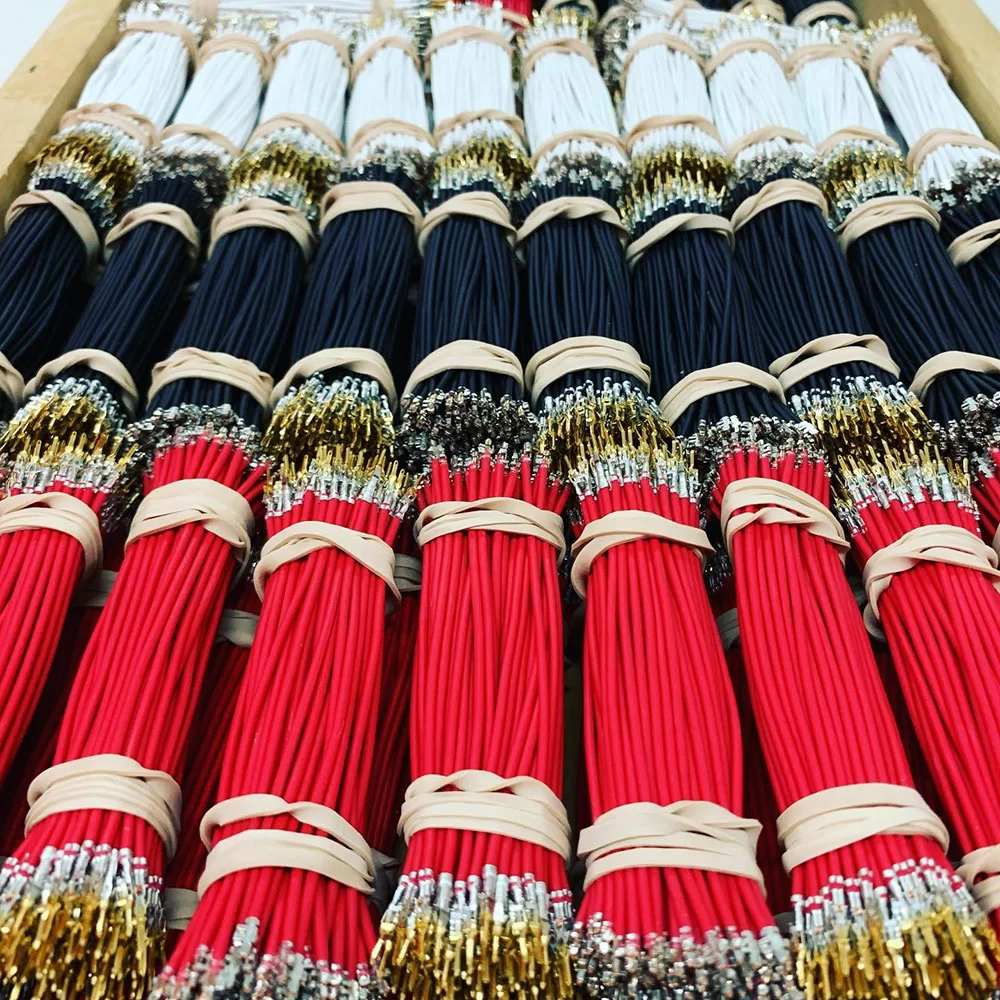
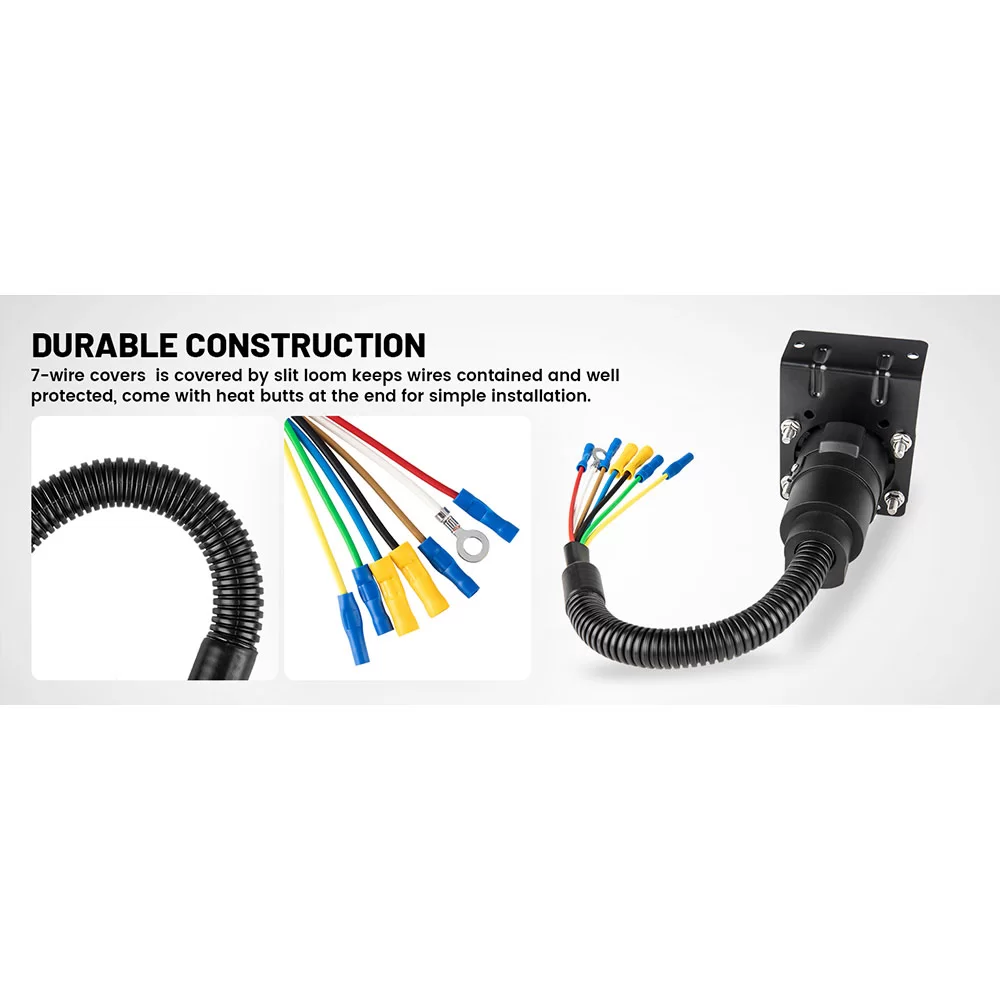
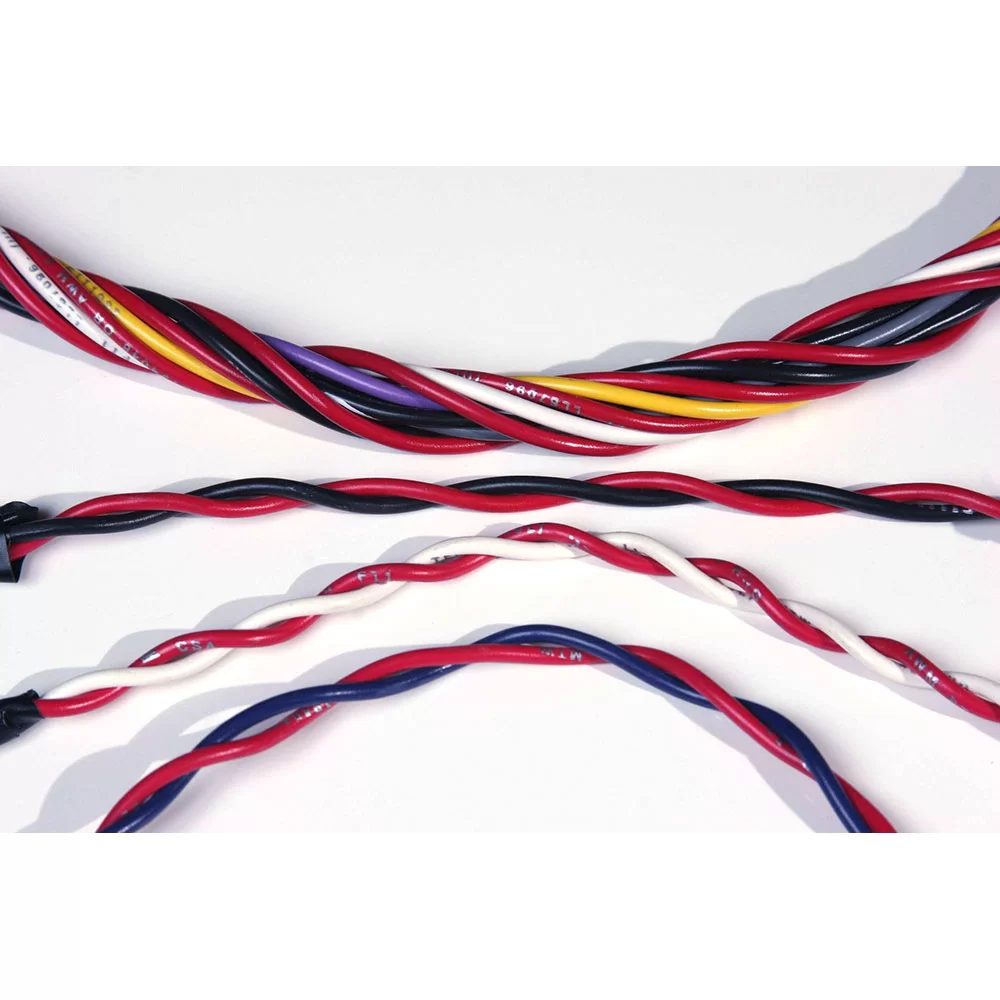
Cable Wire-harness assembly, sheet metal, Electrical cabinet Assembly service, Conformal coating, Prototyping and mass production...
PCB Manufacturing Service PCB layout, PCB design according to your idea
PCB copy/clone Digital Circuit Design, System Hardware Design...
PCB Assembly Service Electronic, components material purchasing, Bare PCB fabrication, PCB Assembly Service. (SMT, BGA, DIP)
FULL Test: AOI, In-Circuit Test (ICT), Functioal Test (FCT)
Cable Wire-harness assembly, sheet metal, Electrical cabinet Assembly service, Conformal coating, Prototyping and mass production...
Are My Files Safe?
Your files are held in complete safety and security. All documents from customers are never shared with any third parties.
We are willing to sign NDA in high confidential level.
We are willing to sign NDA in high confidential level.
What’s Your MOQ ?
There is no MOQ in JXPCBA .We are able to handle small as well as large volume production with flexibility.
How Do You Ship The Boards? What Carrier Do You Use?
JXPCBA ships products to more than 150 countries via DHL, UPS, FEDEX and SF delivery services.
The shipping cost is determined by the destination, weight, packing size of the goods. Please let us know if you need us to quote you the shipping cost.
The shipping cost is determined by the destination, weight, packing size of the goods. Please let us know if you need us to quote you the shipping cost.
What Other Service Do You Have?
We mainly focus on PCB+Assembly+Components sourcing service. Additionally, we can also provide programming, testing, cables, enclosure assembly service.
Can We Inspect Quality During Production?
Yes, we are open and transparent on each production process. We welcome you visit our factory to inspect our production process.
What Is Your Testing Policy And How You Control The Quality?
Regarding to PCB samples, usually tested by flying probe; for PCB Volume over 3 square meters, usually tested by Electrical fixture which is faster.
As to PCBA production, there are automated optical inspection (AOI) for each batch, X-ray inspection for BGA parts, first article inspection(FAI) before mass production.
As to PCBA production, there are automated optical inspection (AOI) for each batch, X-ray inspection for BGA parts, first article inspection(FAI) before mass production.
What Payment Method Can I Use?
First three orders, Pay in advance; If the pay path is good, we will provide the Net 15-day pattern.
Can I Get A Free Sample?
Yes, we can provide one simple prototype for free if you are doubts about our quality.
Can I Use My Own Shipping Account?
Sure, customers may advise their shipping account, and our quotation will be without freight.
Why Cannot I Track My Order Yet?
We will send the tracking no since the goods are sent out.
How Can We Trust Your Quality?
We have more than 20 years of PCB experience and hundreds of customers around the world.
Would You Provide Any Service During Holidays, Eg: CNY?
Not really, however, any inquiries, please send us emails, We'll have someone check the mail.
How Do You Prepare The Components?
We purchase from reliable channels which can ensure original quality and competitive.
Why Prices Of Components Can Be Valid For A Short Time?
Large changes in market demand also affect component price changes.
Why Do Some Components Cost So Much And Need Much Lead Time?
Depends on the market, and Tariff matters
Can I Change My Order?
Yes, before produce, you may change the design or QTY whatever you want; if boards have already been launched to produce, we will check case by case.
How Can I Cancel My Order?
If boards already been launched to produce, we may charge the cancellation cost base on status.
Can I Request A Special Package For My Order?
Sure,please advise before shipping.
Will I Have To Pay Any Fees On Arrival?
Based on local import policy, you may be charged an Import tariff, we sent goods by DDU method.
Returns and Exchanges Policy
Any complaints, mail us pictures that indicate the issues, PO, and PN, if need to return or exchange, we will advise once find the root result.
What Are Needed For Quotation?
PCB material, size, layers, thickness, copper weight, surface,any other special requests.
How Long Does It Take For PCB And PCBA Quote?
PCB Normally within 4 hours, PCBA within 24 hours.
Will HUB Circuit PCB Send The Stencil With The Boards?
If customers ordered stencils with PCB together.
Do You Have Any Minimum Order Quantity (MOQ) Requirement?
Not yet,1PCS we can provide.
How Long Will It Take To Get My Order After Shipping?
We send by DHL, UPS, or FedEx, and shipping lead time:3-5days.
Can I Get A Quicker Delivery Option That Is Guaranteed?
Sure,we provide expedited service.
How Do You Arrange Shipments For Us?
We send by DHL, UPS, FedEx, and others forwarders.
What Service Do You Provide?
We are manufacturing PCB, Assembly, Mounting, and box building.
Are You A Trading Company Or A Manufacturer?
Manufacturer
Why Some Components Are More Expensive Than Our Country?
Depends on market, and Tariff matters
How Do You Guarantee Quality Of Tough And Complicated Assembly Projects?
We will do a function test to ensure PCBA is working.
Why Always Need The Detailed Manufacturer Part Number Or Web Link?
Facilitate our internal system tracing
Why Do We Need The XY Pick And Place, Designator And Assembly Legend?
To facilitate assembly
Why Always Need To Fill In Resin In The Via Hole When It Is On PADs?
To ensure the reliability of the board, avoid short when assembly.
What's the PCBA DIP Insert Processing PCB Designing And Manufacturing
Product Description
DIP (Dual In-Line Package) insert processing is a manufacturing technique used to insert through-hole components into a printed circuit board (PCB) that has pre-drilled holes. DIP components have leads or pins that extend from the bottom and are inserted through the holes in the PCB. The DIP insert processing typically involves the following steps:
1. PCB Preparation: The PCB is prepared for DIP component insertion. This involves ensuring that the PCB has pre-drilled holes in the correct locations and sizes to accommodate the DIP component leads.
2. Component Preparation: The DIP components are prepared for insertion. This may involve straightening or aligning the component leads to ensure they can be easily inserted into the PCB holes.
3. Insertion: Each DIP component is manually or automatically inserted into the corresponding holes on the PCB. The component leads are carefully aligned with the holes and inserted until the component body rests flush against the PCB surface.
4. Securing: Once the DIP components are inserted, they are secured to the PCB to ensure they remain in place during subsequent manufacturing processes and the product's lifecycle. This can be achieved through various methods, such as soldering, crimping, or using adhesive.
5. Soldering: After the DIP components are inserted and secured, the PCB is typically subjected to a soldering process to create reliable electrical connections. This can be done through wave soldering, selective soldering, or hand soldering, depending on the production setup and requirements.
6. Inspection: Once soldering is complete, the PCB undergoes inspection to verify the quality of the solder joints and component placement. Visual inspection, automated optical inspection (AOI), or other testing methods may be employed to detect any defects, misalignments, or soldering issues.
7. Testing: The assembled PCB, with the inserted and soldered DIP components, may undergo functional or electrical testing to ensure it meets the required specifications and performs as intended.
8. Final Assembly: After testing, the PCB may proceed to final assembly, where additional components and processes are added to complete the product.
DIP insert processing is commonly used for components that cannot be mounted using surface mount technology (SMT) or for applications where through-hole components are preferred due to their robustness or specific electrical requirements.
DIP (Dual In-Line Package) insert processing is a manufacturing technique used to insert through-hole components into a printed circuit board (PCB) that has pre-drilled holes. DIP components have leads or pins that extend from the bottom and are inserted through the holes in the PCB. The DIP insert processing typically involves the following steps:
1. PCB Preparation: The PCB is prepared for DIP component insertion. This involves ensuring that the PCB has pre-drilled holes in the correct locations and sizes to accommodate the DIP component leads.
2. Component Preparation: The DIP components are prepared for insertion. This may involve straightening or aligning the component leads to ensure they can be easily inserted into the PCB holes.
3. Insertion: Each DIP component is manually or automatically inserted into the corresponding holes on the PCB. The component leads are carefully aligned with the holes and inserted until the component body rests flush against the PCB surface.
4. Securing: Once the DIP components are inserted, they are secured to the PCB to ensure they remain in place during subsequent manufacturing processes and the product's lifecycle. This can be achieved through various methods, such as soldering, crimping, or using adhesive.
5. Soldering: After the DIP components are inserted and secured, the PCB is typically subjected to a soldering process to create reliable electrical connections. This can be done through wave soldering, selective soldering, or hand soldering, depending on the production setup and requirements.
6. Inspection: Once soldering is complete, the PCB undergoes inspection to verify the quality of the solder joints and component placement. Visual inspection, automated optical inspection (AOI), or other testing methods may be employed to detect any defects, misalignments, or soldering issues.
7. Testing: The assembled PCB, with the inserted and soldered DIP components, may undergo functional or electrical testing to ensure it meets the required specifications and performs as intended.
8. Final Assembly: After testing, the PCB may proceed to final assembly, where additional components and processes are added to complete the product.
DIP insert processing is commonly used for components that cannot be mounted using surface mount technology (SMT) or for applications where through-hole components are preferred due to their robustness or specific electrical requirements.
What is ICT Automation and Why Does It Matter?
ICT, or In-Circuit Testing, is a method used to test the functionality of individual components and connections on a PCB. It checks for issues like short circuits, open circuits, incorrect component values, and soldering defects. Traditionally, this process involved manual testing or semi-automated systems, which were time-consuming and prone to errors. ICT automation takes this process to the next level by using advanced ICT machines and software to perform tests with minimal human intervention.
The importance of ICT automation lies in its ability to streamline the testing phase of PCB production. With the increasing complexity of electronic devices and the demand for faster production, automating PCB testing is no longer optional—it’s a necessity. By leveraging ICT automation, manufacturers can meet tight deadlines, maintain high-quality standards, and reduce costs associated with defective products.
The importance of ICT automation lies in its ability to streamline the testing phase of PCB production. With the increasing complexity of electronic devices and the demand for faster production, automating PCB testing is no longer optional—it’s a necessity. By leveraging ICT automation, manufacturers can meet tight deadlines, maintain high-quality standards, and reduce costs associated with defective products.
Why Choose ICT Automation for Your PCB Testing Needs?
In today’s competitive electronics market, staying ahead requires adopting cutting-edge solutions like ICT automation. By improving testing speed, enhancing testing accuracy, and reducing costs, automating PCB testing with ICT machines gives manufacturers a significant edge. It ensures that products meet the highest quality standards while keeping up with the demands of high-volume production.
For industries where precision and reliability are paramount—such as aerospace, medical devices, and automotive—ICT automation is not just a tool; it’s a strategic asset. It enables manufacturers to deliver flawless products to customers, build trust, and maintain a strong reputation in the market.
For industries where precision and reliability are paramount—such as aerospace, medical devices, and automotive—ICT automation is not just a tool; it’s a strategic asset. It enables manufacturers to deliver flawless products to customers, build trust, and maintain a strong reputation in the market.
What's Do You Mean One-stop Service?
Our PCB Assembly turnkey solution including:
Electronic Design Services
PCB and Schematic reviews
Complete electronic design partners available
Design For Manufacture
Product Lifecycle Management
PCB Assembly
Fast turnaround of PCB fab, stencils and PCB assembly
BOM in one box service, turnkey PCBA for whole board delivery
Leaded, lead-free, RoHS, through-hole, SMT capability
Final Assembly & Test
Conformal Coating, potting
Plastic molding, sheet metal
Painting, powder coating
Cable assembly - Data, Power, RF & Optical
Automated Production Test
Main Business:
Software supporting (function testing, firmware install, chip burning)
PCBA data (PCB file, BOM list, SCH schematic diagram)
PCBA sample preparation (PCB production, material procurement, SMT processing, PCBA Prototype, PCBA debugging)
PCBA batch (PCBA medium and small batch)
PCBA after-sales service (PCBA warranty, PCBA Clone, OEM, Reverse engineering, IC cracking)
Electronic Design Services
PCB and Schematic reviews
Complete electronic design partners available
Design For Manufacture
Product Lifecycle Management
PCB Assembly
Fast turnaround of PCB fab, stencils and PCB assembly
BOM in one box service, turnkey PCBA for whole board delivery
Leaded, lead-free, RoHS, through-hole, SMT capability
Final Assembly & Test
Conformal Coating, potting
Plastic molding, sheet metal
Painting, powder coating
Cable assembly - Data, Power, RF & Optical
Automated Production Test
Main Business:
Software supporting (function testing, firmware install, chip burning)
PCBA data (PCB file, BOM list, SCH schematic diagram)
PCBA sample preparation (PCB production, material procurement, SMT processing, PCBA Prototype, PCBA debugging)
PCBA batch (PCBA medium and small batch)
PCBA after-sales service (PCBA warranty, PCBA Clone, OEM, Reverse engineering, IC cracking)
What Is The Difference Between A Microvia And A Regular Via?
Microvias are smaller vias, typically with a diameter less than 150 microns, used in high-density designs. They’re ideal for HDI PCBs, where space is limited and precision is critical.
What Is Meant By A Buried Via Hole?
A buried via is located entirely within the inner layers of a PCB, with no exposure to the outer layers. It is used to connect two or more inner layers without affecting the outer surface.
What Is A Microvia?
According to the new definition within IPC-T-50M a microvia is a blind structure with a maximum aspect ratio of 1:1, terminating on a target land with a total depth of no more than 0.25mm measured from the structure’s capture land foil to the target land.
What Is Meant By A Blind Via Hole?
A blind via connects the outer layer of a PCB to one or more inner layers but does not go all the way through the board. It’s used when you need to save space and reduce signal interference.
Can I Mix Different Materials In One PCB?
Yes. Hybrid PCBs use different materials to balance cost and performance—for example, combining standard FR4 with high-frequency cores in one stack-up.
How Many Reflow Cycles Can FR4 Materials Withstand?
It is hard to give a precise answer, but we have made tests with material with up to 22 reflows, four of these with a peak temperature of 270C°. The stress after 22 reflows is considerable and material can degrade, but all connections remained functional. Our recommendation is to choose a higher grade material where there are more than 6 layers and thicker than 1.6 mm.
Do I Have To Use An FR4 Material With A High Tg (Tg = Glass Transition Temperature) For Lead-Free Soldering?
No, not necessarily. There are many factors to be taken into account, e.g. how many layers, the thickness of the PCB and also a good understanding of the assembly process (number of soldering cycles, time above 260 degrees, etc.). Some research has shown that a material with a “standard” Tg value has even performed better than some materials with a higher Tg value. Note that even with “leaded” soldering the Tg value is exceeded.
What is of most importance is how the material behaves at temperatures above the Tg value (post Tg) so knowing the temperature profiles the board will be subjected to will help you look evaluate the necessary performance characteristics.
What is of most importance is how the material behaves at temperatures above the Tg value (post Tg) so knowing the temperature profiles the board will be subjected to will help you look evaluate the necessary performance characteristics.
Which PCB Surface Is Best For Lead-Free Soldering?
There is no “best surface;” all surfaces have their pros and cons. Which one you should choose depends on many factors. Please consult our technicians or review the information on surface finishes within this section of the website.
What Should I Consider When Designing A Multilayer PCB?
Key factors include layer stack-up, impedance control, heat dissipation, and ensuring the manufacturer can meet your specifications.
How Are Multilayer PCBs Manufactured?
Multilayer PCBs are typically manufactured using a process that involves layering, drilling, etching, and laminating. The process starts with the creation of a substrate, followed by the deposition of conductive layers and insulating layers. The layers are then drilled to create vias and holes for component placement. Finally, the board is laminated to ensure stability and durability.
What Is A Multilayer PCB?
A multilayer PCB is a printed circuit board that consists of multiple layers of conductive material sandwiched between insulating layers. This type of PCB is used for complex electronic circuits that require more space for routing and component placement.
How Does A Multilayer PCB Differ From A Single-Layer PCB ?
A single-layer PCB only has one layer of conductive material, while a multilayer PCB has multiple layers of conductive material. The multiple layers in a multilayer PCB allow for more space for routing and component placement, making it possible to create more complex circuits.
What Are The Advantages Of Using A Multilayer PCB?
Some of the benefits of using a multilayer PCB include increased circuit density, improved performance, reduced electromagnetic interference, and reduced circuit size.
What Materials Are Used In The Construction Of A Multilayer PCB?
The materials used in a multilayer PCB typically include a substrate material, conductive layers (such as copper), insulating layers (such as polyimide or FR4).
Are Hdi PCBs More Expensive Than Standard PCBs?
Yes, HDI PCBs usually cost more due to complex manufacturing processes, but the benefits in performance and size often justify the higher price.
What is a HDI PCB?
IPC-2226 defines HDI as a printed circuit board with a higher wiring density per unit area than conventional printed circuit boards (PCB). They have finer lines and spaces ≤ 100 µm / 0.10 mm, smaller vias (<150 µm) and capture pads <400 µm / 0.40 mm, and higher connection pad density (>20 pads/cm2) than employed in conventional PCB technology.
How Does HDI PCBs Keep My Cost Down?
HDI PCBs help reduce costs by decreasing size, minimizing the number of components, reducing signal interference, and automating the manufacturing process.
What Is The Laser Drill Accuracy?
It is very safe to assume it is +/- 1 mil accuracy. Usually, in a staggered microvia formation, the diameters of both operate and lower microvias are the same. The key parameter that decides whether the staggering is possible or not, without the lower microvia needing to be filled, is the dimension E, the vertical separation between the central access of the two microvias. For staggering to be viable, the value of E must be greater than the microvia diameter.
Why Should I Turn To HDI PCBs?
At some level of circuit complexity, turning to an architecture with blind and buried vias will result in better yield and lower cost than would a through-hole design.
How Do I Select Materials For HDI?
Materials play a large role in terms of manufacturability and direct cost of your circuit board. Here is a tip: The goal is always to select the right material for manufacturability that, at the same time, meets your temperature, and your electrical requirements. When it comes to materials, make sure that your high-speed material is also suitable for your HDI design. They are many other factors that come into play when selecting the proper materials for your design.
Why Do I Need A High-Frequency PCB For My Product?
If your product needs to transmit signals fast and clearly—like in 5G, radar, or wireless devices—a high-frequency PCB helps maintain signal integrity, reduce signal loss, and ensure minimal interference.
What is a High Frequency PCB?
A High-Frequency PCB is specifically designed for applications operating at RF and microwave frequencies, typically ranging from 3 MHz to 100 GHz. These boards are engineered to support high-speed signal transmission while minimizing losses.
What Makes High Frequency PCBs Different From Regular PCBs?
High-frequency PCBs are designed to handle RF signals, which require precise impedance control, minimal signal loss, and low interference. Unlike regular PCBs, RF PCBs are made with materials that have specific electrical and thermal properties to perform reliably at high frequencies.
What Materials Are Used In The Manufacturing Of High-Frequency PCBs?
High-frequency PCBs are made using specialized laminates such as PTFE (Teflon), Rogers, and other low-loss materials. These materials are selected based on their dielectric constant, loss tangent, and thermal conductivity to ensure reliable performance at high frequencies.
Do High-Frequency PCBs Require Special Testing Or Handling?
Yes. They need precise manufacturing, tight tolerance control, and often stricter quality checks to ensure performance meets demanding specs.
Are High-Frequency PCBs Only For Telecom Products?
No. They’re also used in automotive radar, medical equipment, satellite systems, and any product where signal quality at high speeds is critical.
What Is A Mixed Laminate Multilayer PCB?
A Mixed Laminate Multilayer PCB is a type of printed circuit board that combines multiple layers of different materials in its laminate structure, providing improved electrical and mechanical performance.
What Are The Advantages Of Mixed Laminate Multilayer PCBs?
The advantages of Mixed Laminate Multilayer PCBs include improved thermal management, increased electrical performance, reduced weight and improved dimensional stability.
How Are Mixed Laminate Multilayer PCBs Manufactured?
Mixed Laminate Multilayer PCBs are manufactured by laminating layers of different materials such as metal-based substrates, ceramic-based materials, and FR-4, and then drilling and plating vias to interconnect the layers.
What Are The Applications Of Mixed Laminate Multilayer PCBs?
Mixed Laminate Multilayer PCBs are widely used in demanding applications such as telecommunications, industrial controls, medical devices, and military and aerospace systems.