
Auto Electronics PCB Assembly
What is Special About PCB Assembly in Automation?
Automation PCB assembly involves specific considerations and requirements due to the unique needs of the automation industry. Here are some aspects that make automation PCB assembly special:
1. Reliability and Durability: Automation systems often operate in demanding environments with vibrations, high temperatures, and potential exposure to moisture, dust, or chemicals. PCB assemblies for automation applications need to be built with suitable coatings, robust materials, and reliable soldering techniques to ensure long-term durability and reliability.
- 2. High-Speed and Precision Requirements: Automation systems frequently rely on high-speed and precise control. PCB assemblies must be designed and manufactured to meet stringent timing, signal integrity, and noise immunity requirements. This may involve careful component placement, controlled impedance traces, and advanced manufacturing techniques to minimize signal loss and distortion.
- 3. Compact and Space-Efficient Designs: Automation systems are often compact and require PCB assemblies that can fit within limited spaces. Miniaturization techniques, such as surface mount technology (SMT) and smaller components, are commonly employed in automation PCB assembly to maximize space utilization while maintaining functionality and performance.
- 4. Power Management and Efficiency: Automation systems often involve motor drives, actuators, and power-intensive components. PCB assemblies need to incorporate efficient power management circuits, such as voltage regulators, power amplifiers, and current sensing elements, to optimize energy usage and minimize heat generation.
- 5. Interface and Connectivity: Automation systems require seamless communication and connectivity with other sensors, devices, and control networks. PCB assemblies in automation often incorporate various communication interfaces, such as Ethernet, serial communication protocols (RS-232, RS-485), fieldbuses (CAN, Modbus), or industrial Ethernet protocols, to enable data exchange and integration with other automation components.
- 6. Compliance with Safety Standards: Automation systems often involve safety-critical functions and must comply with stringent safety standards. PCB assemblies may need to include safety features such as redundant components, fault detection circuits, or isolation techniques to ensure safe operation and protection against hazardous situations.
- 7. Scalability and Modularity: Automation systems are often designed for modularity and scalability, allowing for expansion and integration of additional modules or devices. PCB assemblies in automation may follow modular designs, allowing for easy replacement or addition of components as needed for system upgrades or customization.
- 8. Testing and Quality Assurance: Due to the critical nature of automation systems, PCB assemblies undergo comprehensive testing and quality assurance procedures. This may involve functional testing, burn-in testing, environmental testing (temperature, humidity, vibration), and in circuit testing to ensure the performance and robustness of the assembled PCBs.
PCB assembly in the automation industry involves the integration and manufacturing of electronic components into PCBs that enable precise control, communication, human-machine interaction, and safety in automated systems and machinery. These PCB assemblies are crucial for the efficient operation and optimization of industrial processes in various sectors, including manufacturing, logistics, automotive, and more.
The Importance of PCB Assembly in the Automation Industry
Control Systems: PCB assemblies are integral to the control systems used in automation. These control systems utilize actuators, sensors, microcontrollers, and other electronic components to regulate and monitor various parameters such as speed, temperature, position, pressure, and more. PCBs enable the integration of these components into a cohesive system that facilitates automated control and operation.
- Human-Machine Interfaces (HMIs): PCB assemblies are employed in HMIs, which are the interfaces between automated systems and operators. HMIs consist of displays, buttons, touchscreens, and other user input devices that allow operators to interact with and monitor the automated processes. Automated PCB assemblies provide the necessary circuitry and connectivity for these interfaces.
- Industrial Robots: In the automation industry, industrial robots or machines are extensively used for tasks such as material handling, assembly, welding, and packaging. PCB assemblies are present in the control units of these robots, allowing precise control of their actions and movements.
- Motor Drives: PCB assemblies are used in motor drives, which control the torque, speed, and direction of motors in automated systems. Motor drives incorporate power electronics and control circuits board to accurately control the motor's operation. PCB assemblies enable the integration of these circuits into efficient and compact units.
- Communication and Networking: Automation systems often require networking and communication capabilities to exchange data between different components and systems. PCB assemblies incorporate communication modules such as Ethernet, CAN bus, Modbus, or industrial fieldbuses to enable seamless data transfer and integration with other devices.
- Safety Systems: Safety is a critical aspect in the automation industry. PCB assemblies are employed in safety systems, such as safety relays, emergency stop circuits, and interlock systems, to ensure the protection of operators, equipment, and the surrounding environment.
- Quality Control and Testing: PCB assemblies in the automation industry undergo rigorous testing and quality control procedures to ensure proper functionality and reliability. Testing methods may include functional testing, burn-in testing, and environmental testing to validate the performance of the assembled PCBs.
If you have any camping barbeque equipment inquiry, please feel free to contact us.
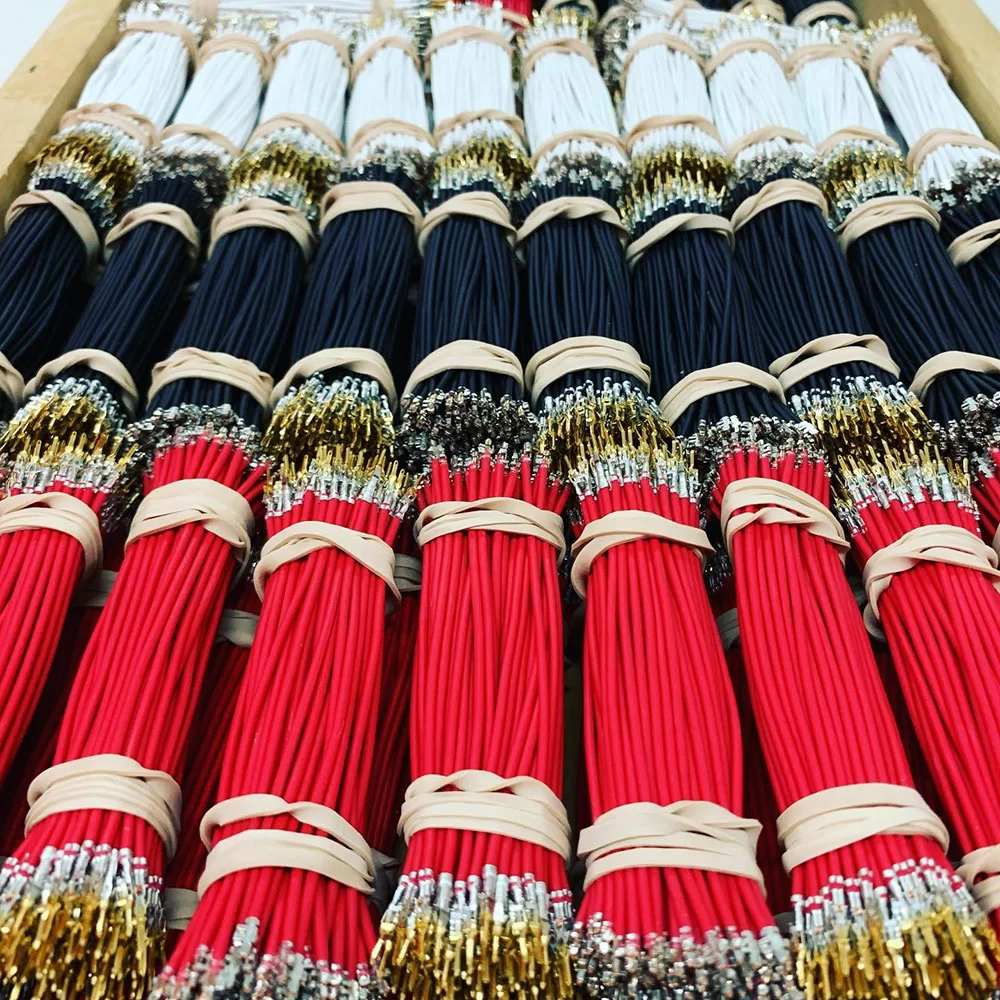
Managing kitting and packaging in-house can be time-consuming, costly, and error-prone.
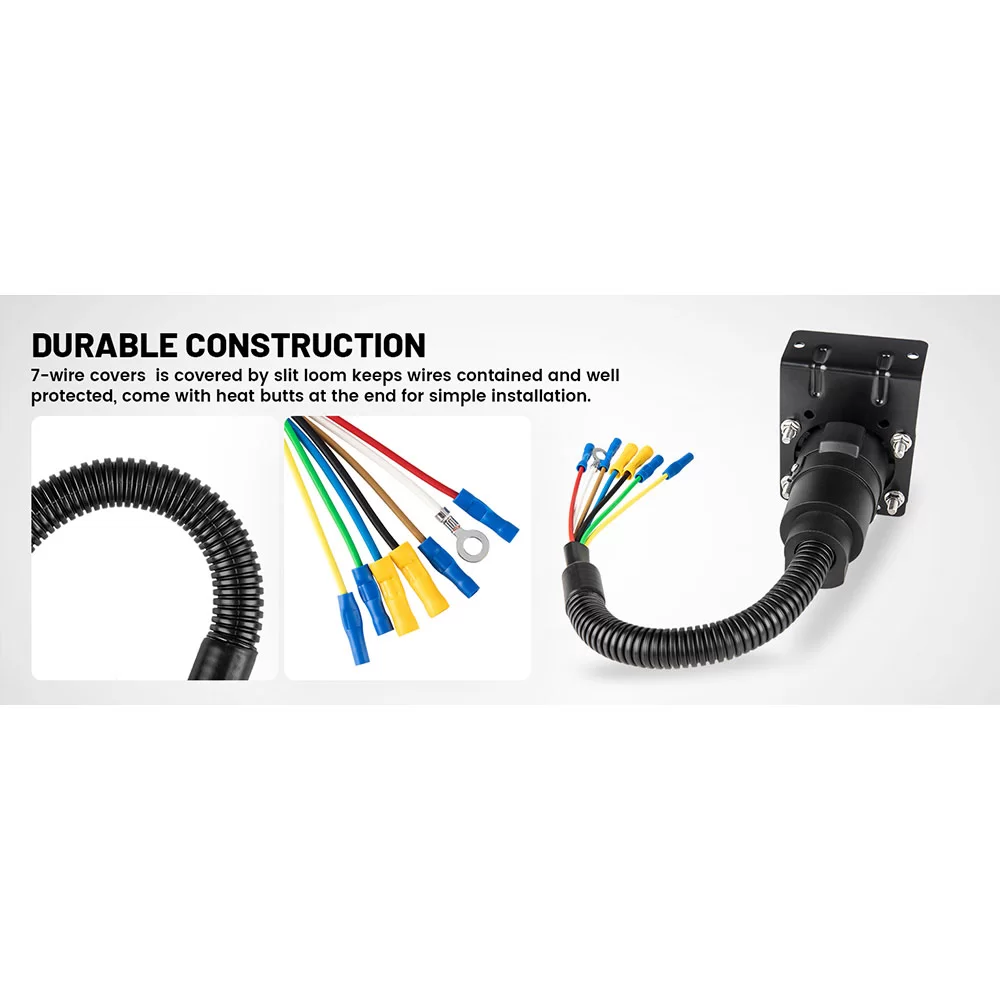
Maybe an off-the-shelf cable can't meet your needs.
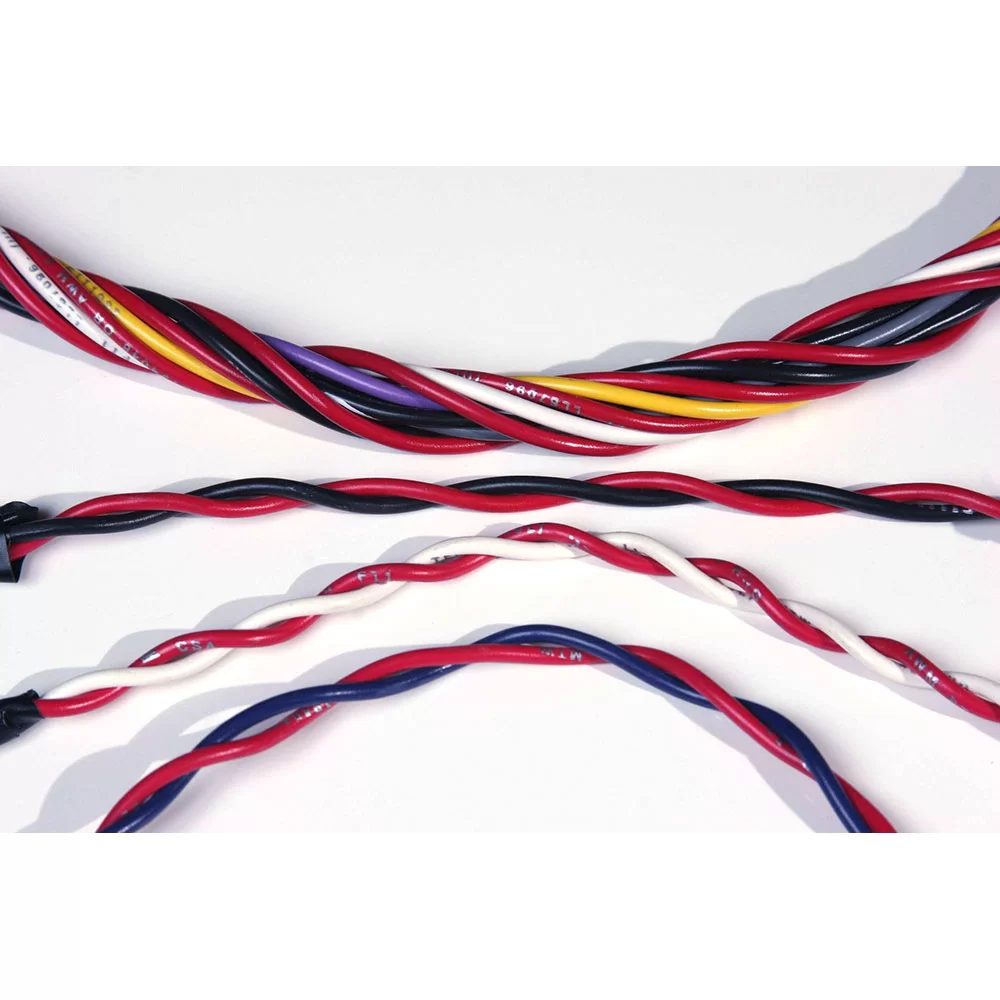
Twisting entwines multiple wires and arranges them tightly next to each other. Depending on the AWG size, we can group up to fifty conductors.
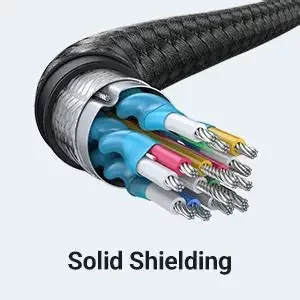
Shielding refers to the metallic layer surrounding a cable’s conductor, created to limit signal interference between the wire and external fields.
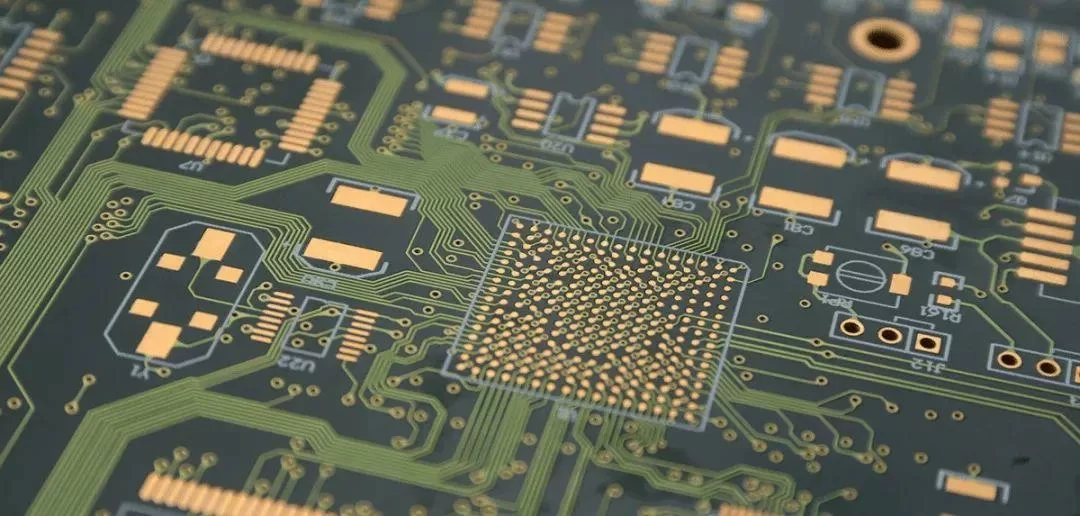
PCB manufacturing is the process of building a physical PCB from a PCB design according to a certain set of specifications.
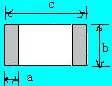
The following design standards refer to the IPC-SM-782A standard and the design of some famous Japanese design manufacturers and some better design solutions accumulated in the manufacturing experience.
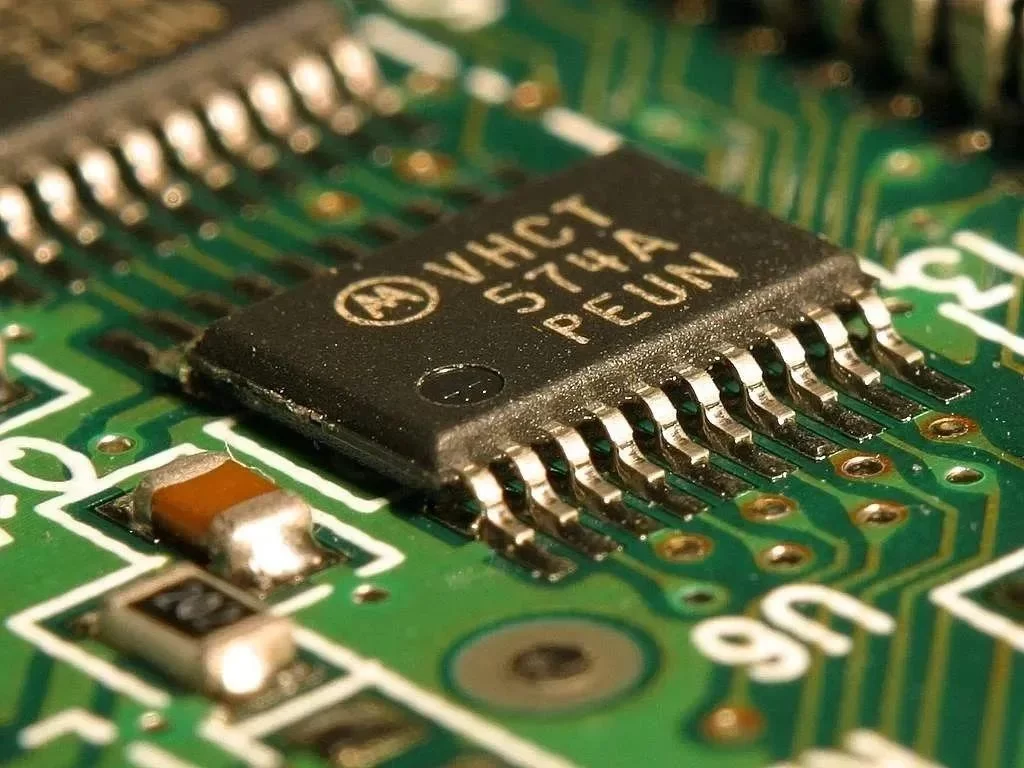
Via holes, also known as through holes, play a role in connecting different parts of a circuit board.


