
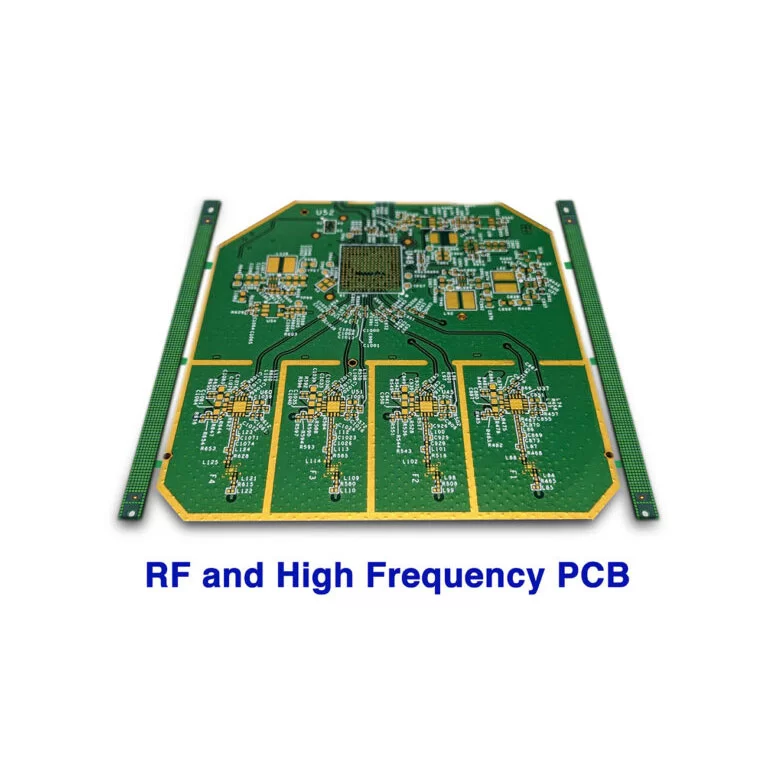
Electronic circuits behave very differently at high frequencies. This is mainly due to a change in the behavior of the passive components (resistors, inductors, and capacitors).
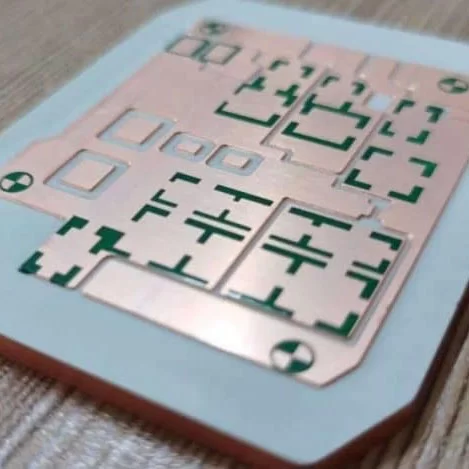
Double-sided aluminum substrates are widely used in electronics manufacturing.
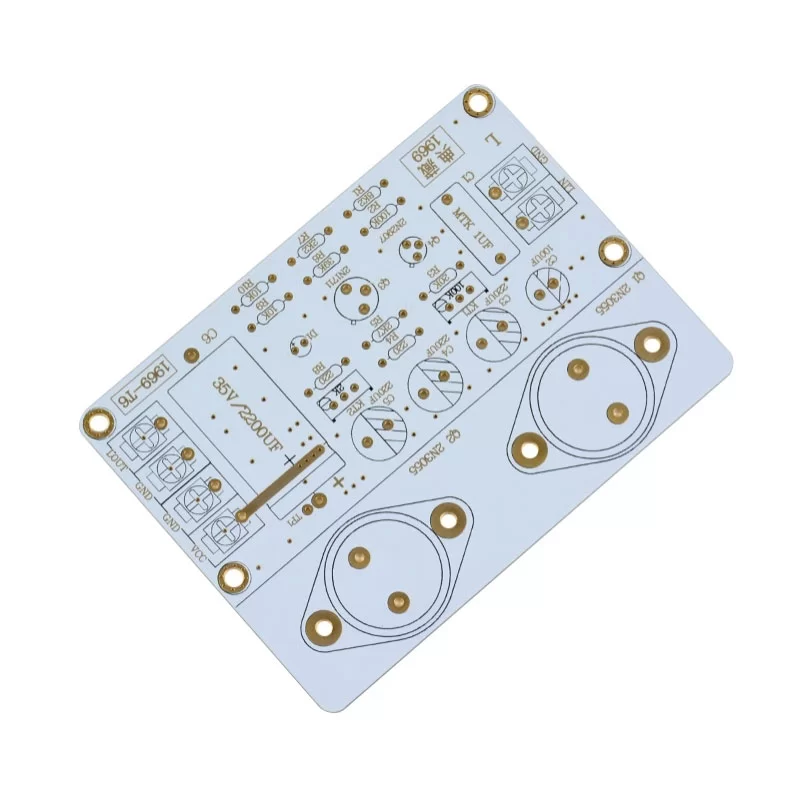
This PCB consists of a single layer of aluminum substrate PCB, they are comparatively simple in design and used in applications where heat management is the main concern.
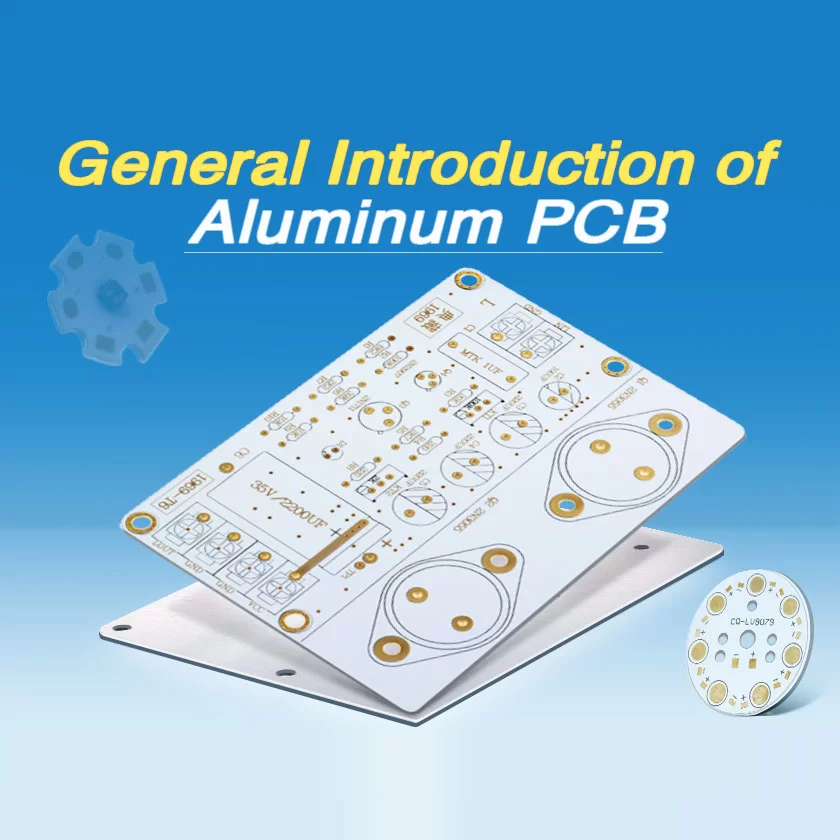
Aluminum PCB, also known as metal core PCB or aluminum core PCB, is a circuit board with aluminum substrate.
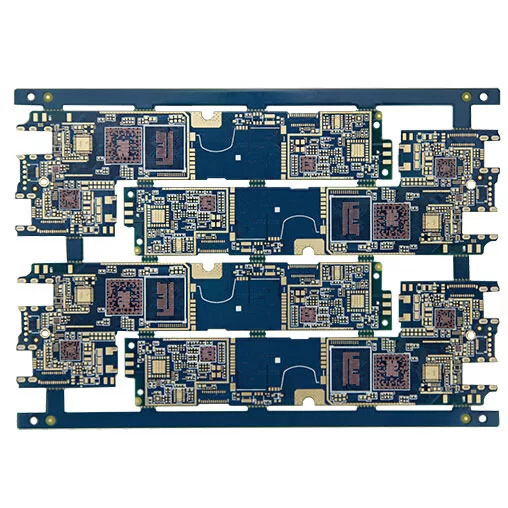
Model :6L(1+N+1)
Material:FR-4 ITEQ IT180A
Layer : 6L1+N+1 HDI
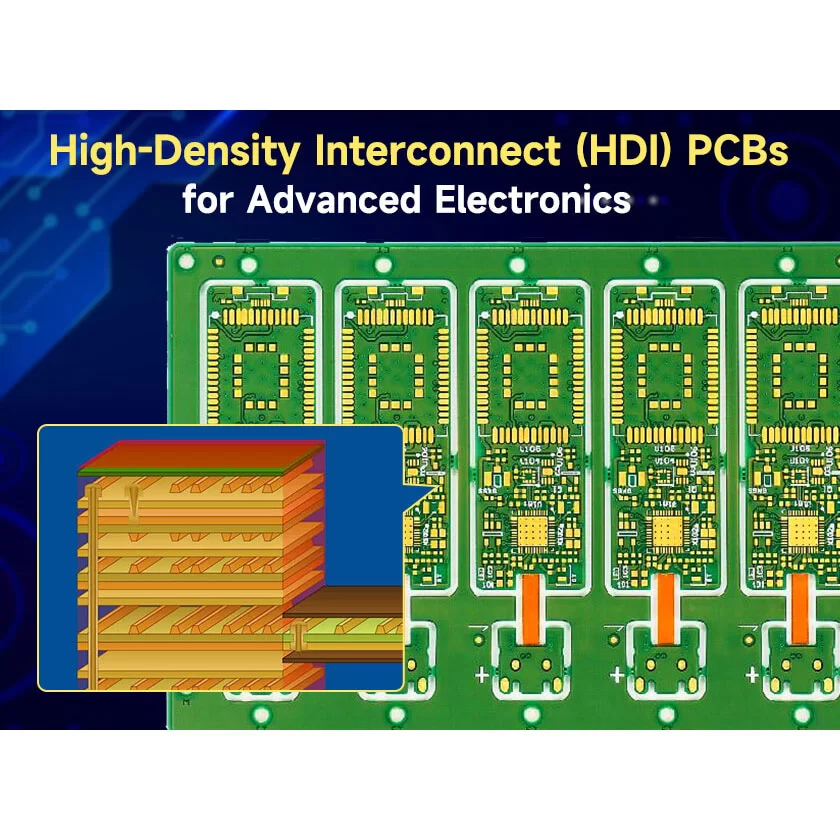
Model:10 L(1+8+1)
Layers:10
Material: SY
Finished Thickness:1.2mm
Copper Thickness:0.5OZ
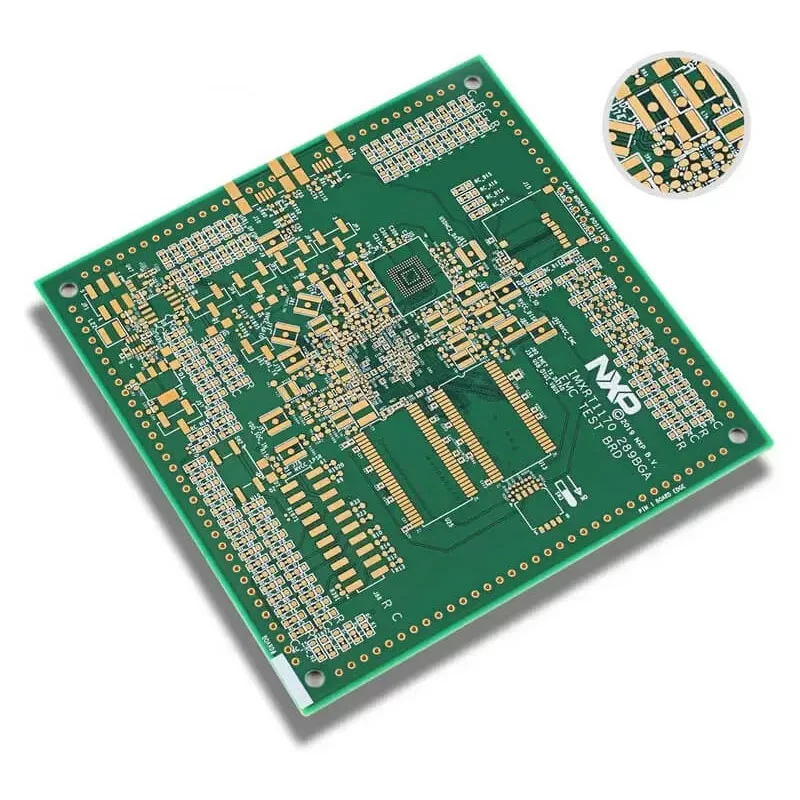
Higher Functionality: Rigid PCB boards allow multiple-layer construction and connection density, it has higher functionality and flexibility in board design.
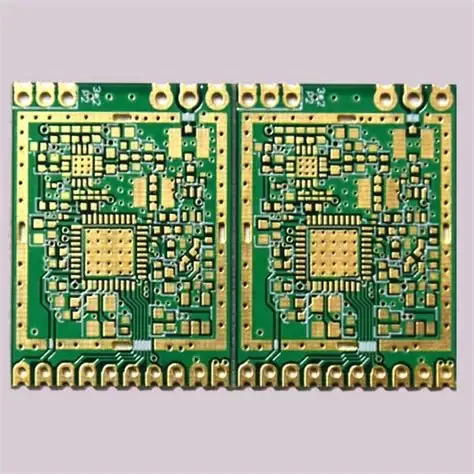
WiFi module, also called a serial port Wi-Fi module, falls under the IoT transmission layer.
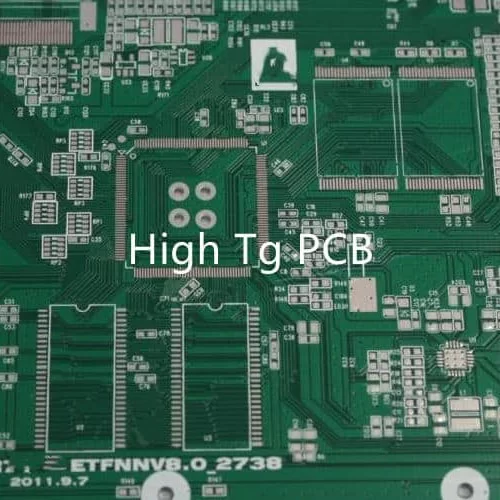
The layer count is determined by signal density and complexity. Typically, 8–12 layers are used, with cores and outer layers connected via blind and buried vias.
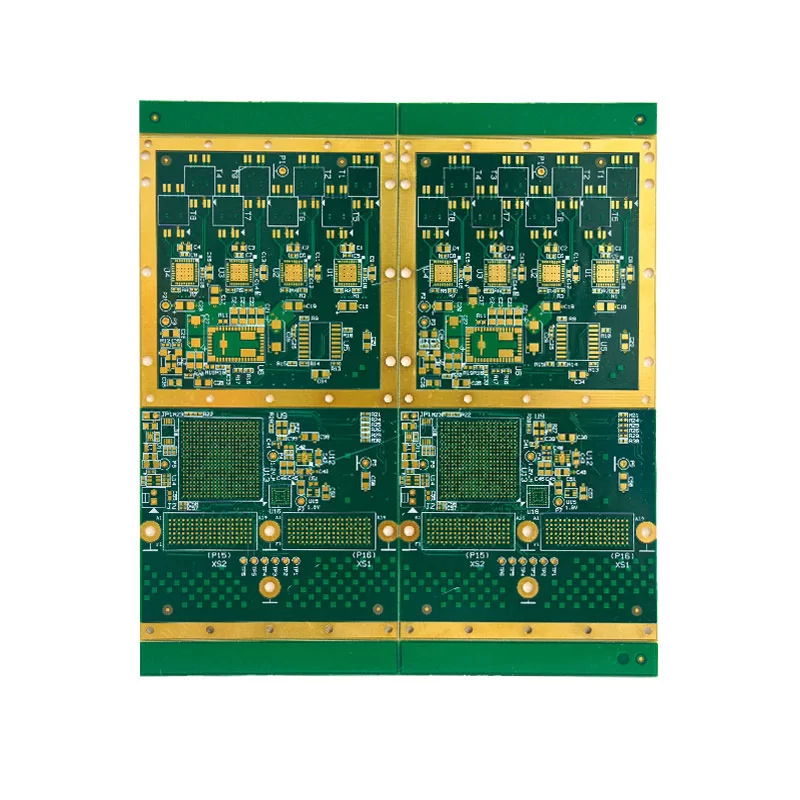
High-Density Interconnect (HDI) Printed Circuit boards are multilayer boards with high-density wiring per unit area.
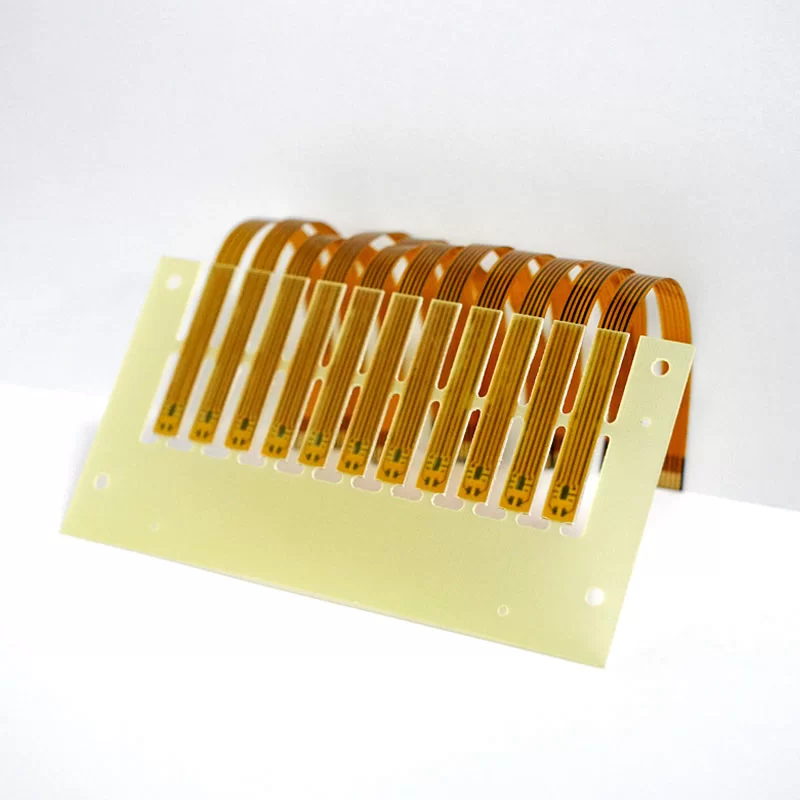
Rigid-flex PCBs are a combination of the features of both rigid and flexible PCBs. In this type of flex PCB board, only the required areas of the PCB are made with flexible materials that help connect the rigid parts of the circuit.
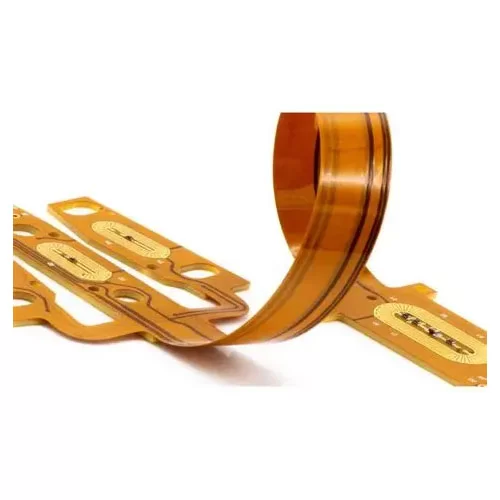
Polyimide PCB is a printed circuit board made of polyimide material. Polyimide is a lightweight, flexible material with excellent electrical properties and low thermal expansion.
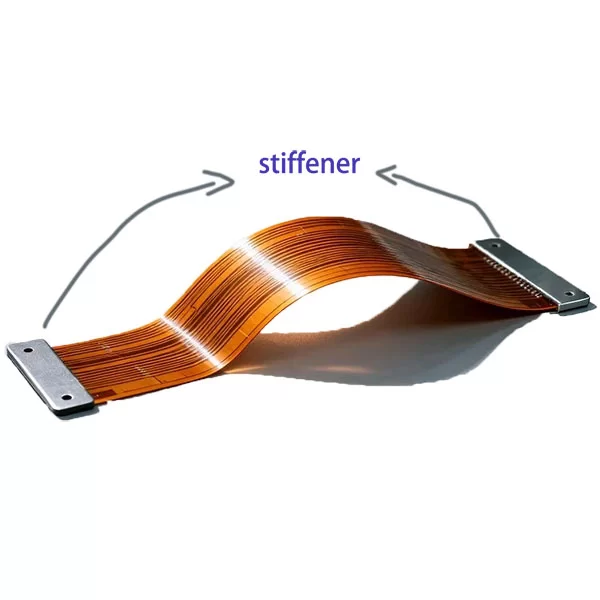
For very advanced devices that require very limited spacing or continuous movement, we need to use multi-layer flexible PCBs, This type of flexible PCB has three or more copper layers.


